The post Water leakage in concrete slabs appeared first on FCS Concrete Repairs.
]]>How to find and repair water leakage in concrete slabs?
If you are a homeowner or business owner in Sydney, Australia, you may be familiar with concrete slabs, as they are a popular choice for construction projects. While concrete slabs are durable and long-lasting, they are not immune to wear and tear over time. One of the most common problems that can occur with concrete slabs is water leakage, which can be a major headache to deal with. In this article, we will discuss how to identify water leakage in concrete slabs, the causes of the problem, and how to fix it.
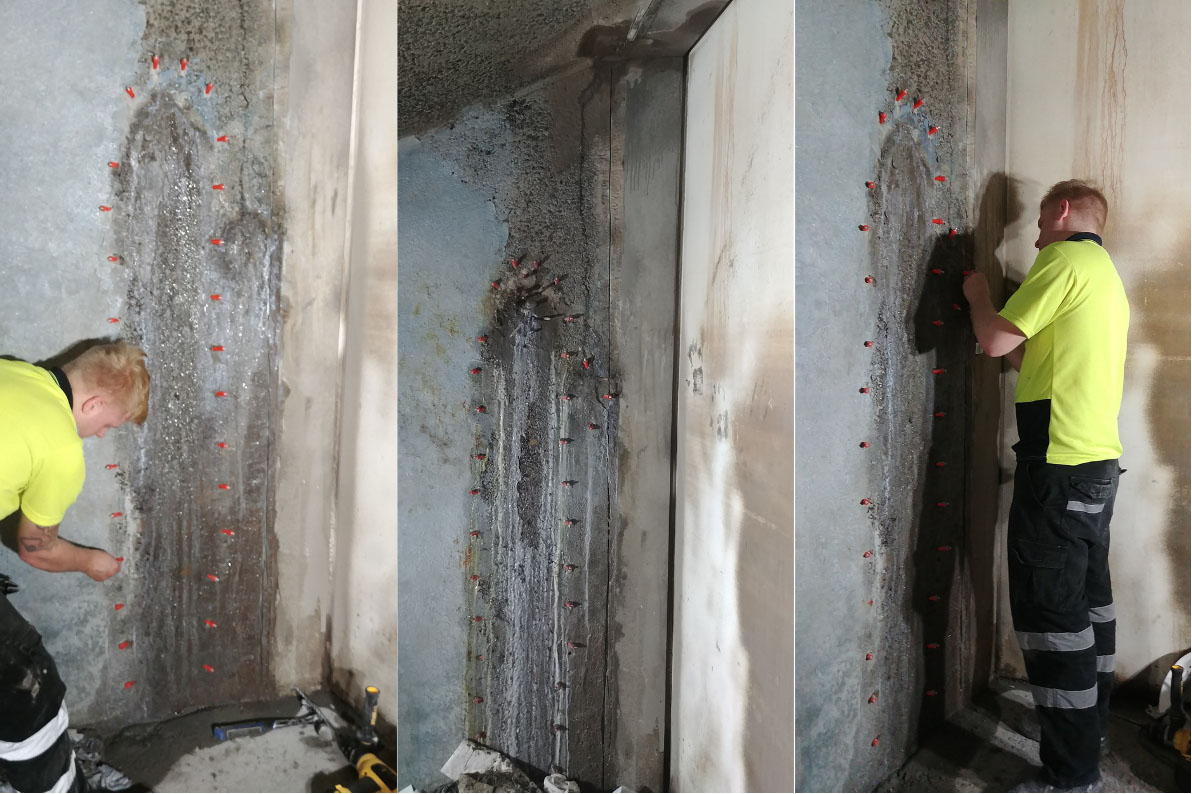
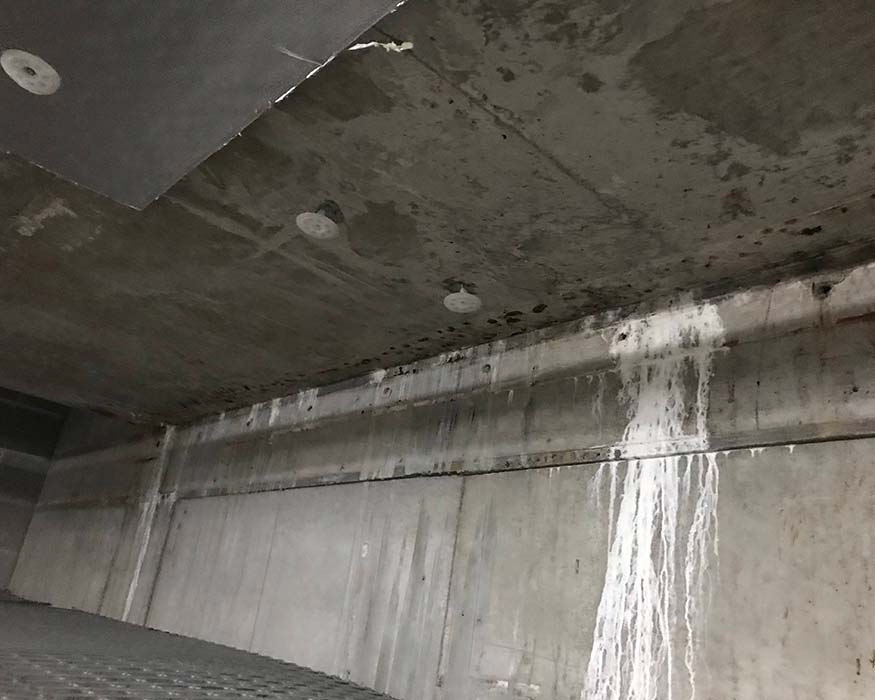
Identifying the problem:
One of the most common ways to identify water leakage in a concrete slab is to look for damp spots or water stains on the surface of the slab. Another indicator of water leakage is the presence of a musty, odour or mould growth, which can be a sign that there is excess moisture in the area. If you notice any of these signs, it is important to address the problem as soon as possible to prevent further damage.
Causes of the problem:
Water leakage in concrete slabs can be caused by a variety of factors, including poor installation, inadequate waterproofing, and natural wear and tear over time. Poor installation can lead to gaps or cracks in the concrete, which can allow water to seep through. Inadequate waterproofing can also be a factor, particularly if the concrete is exposed to the elements or is in an area with high humidity levels. Over time, the concrete may also develop cracks or fissures, which can allow water to penetrate the surface.

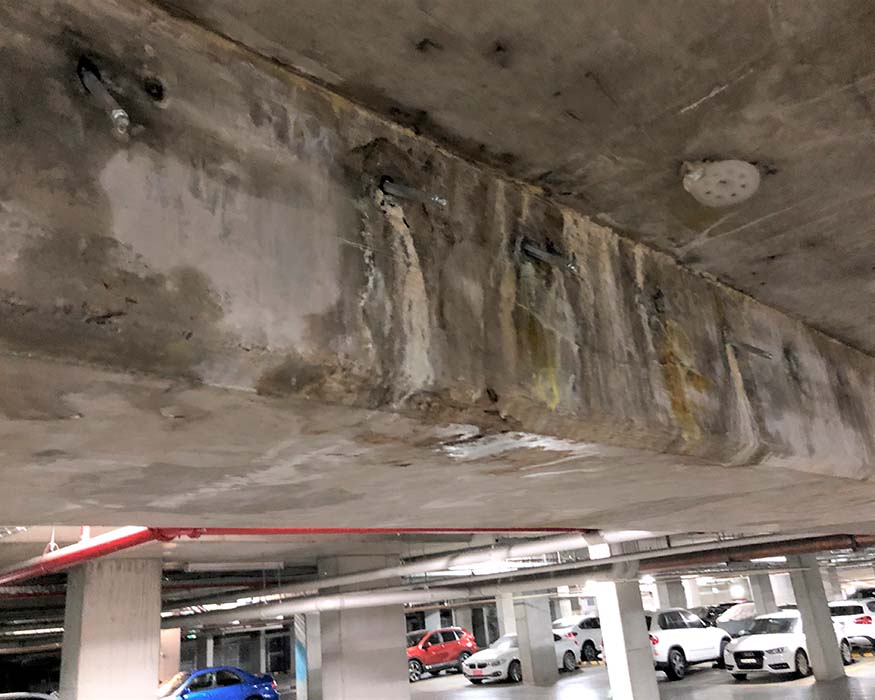
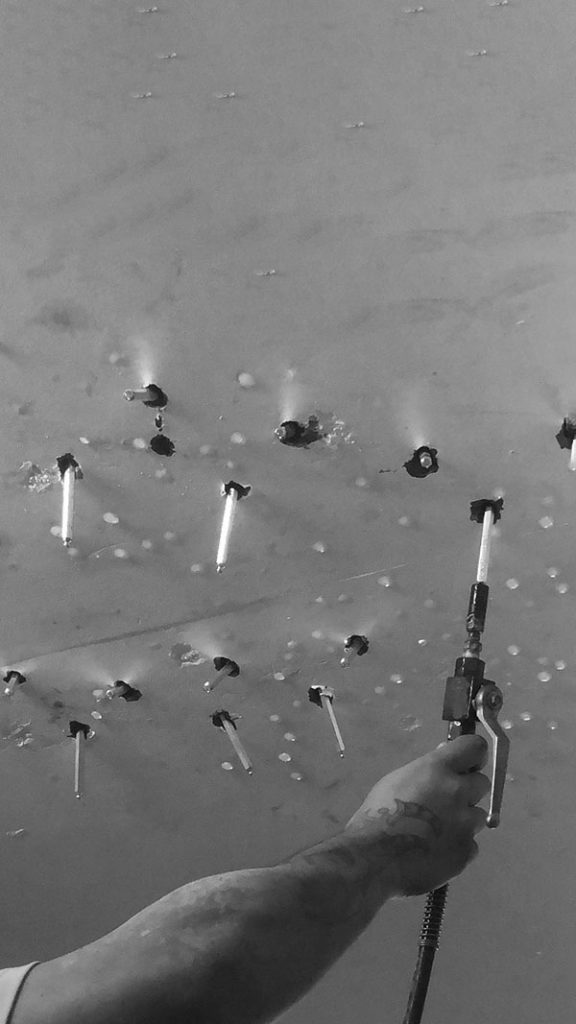
How to fix it:
At FCS Concrete, we specialize in finding and repairing water leakage in concrete slabs. Our team of experienced professionals has the knowledge and tools necessary to locate leaks quickly and efficiently, so we can get to work on repairing them as soon as possible. We use the latest technology, to accurately pinpoint the location of the leak.
Once we’ve located the leak, we’ll work with you to develop a plan for repairing it. Depending on the extent of the damage, we may need to remove a portion of the concrete slab and replace it with new material. In other cases, we may be able to repair the leak without having to remove any concrete at all. Our services include epoxy injection, which can help to seal any cracks or gaps in the concrete, as well as waterproofing solutions to help prevent future leaks.
What can happen if you don’t fix it:
If you don’t address water leakage in your concrete slab, it can lead to a variety of problems. First and foremost, excess moisture can weaken the concrete and make it more susceptible to damage over time. This can lead to more extensive repairs down the line, which can be costly and time-consuming. Additionally, excess moisture can create a breeding ground for mould and mildew, which can be harmful to your health and lead to respiratory issues. If you have any concerns about water leakage in your concrete slab, it is important to contact a professional as soon as possible to address the problem.
At FCS Concrete, we offer reliable and affordable services that are designed to get your concrete slab back to its original condition as quickly as possible. We understand the importance of addressing water leakage in a timely manner to prevent further damage, and we are committed to providing the highest quality services to our clients. Contact us today to schedule a consultation and learn more about how we can help you.
In conclusion, water leakage in concrete slabs can be a major problem, but it is important to address it as soon as possible to prevent further damage. If you notice any signs of water leakage in your concrete slab, it is important to contact a professional to address the problem. At FCS Concrete, we offer a range of services to help locate and repair water leakage in concrete slabs
The post Water leakage in concrete slabs appeared first on FCS Concrete Repairs.
]]>The post Potable Water Storage TanksEpoxy Crack Injection Sydney vs Polyurethane: Which is the Better Option?Potable Water Storage Tanks appeared first on FCS Concrete Repairs.
]]>Crack Injection for Concrete Repair: Comparing Epoxy and Polyurethane in Sydney, Australia
Concrete is an incredibly strong and durable material, but it is not invincible. Over time, concrete can crack and develop various structural problems that require immediate attention. One of the most effective solutions for repairing concrete cracks is through crack injection. This process involves injecting a specially formulated material into the crack to fill it and restore the concrete’s structural integrity.
When it comes to crack injection, two popular materials are epoxy and polyurethane. Both of these materials have their advantages and disadvantages, and choosing the right one depends on various factors. In this blog post, we will compare the two options and help you decide which one is the better option for your concrete repair needs in Sydney, Australia.
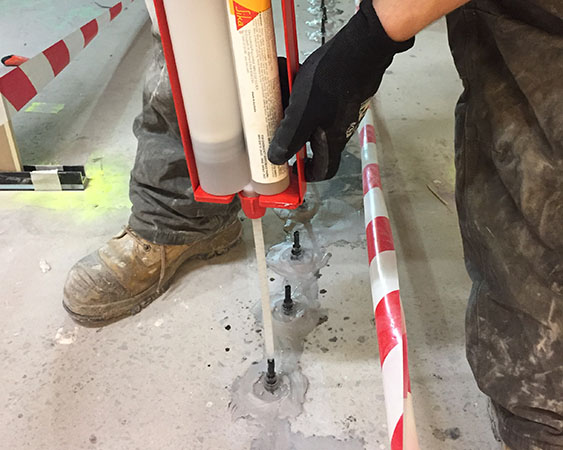
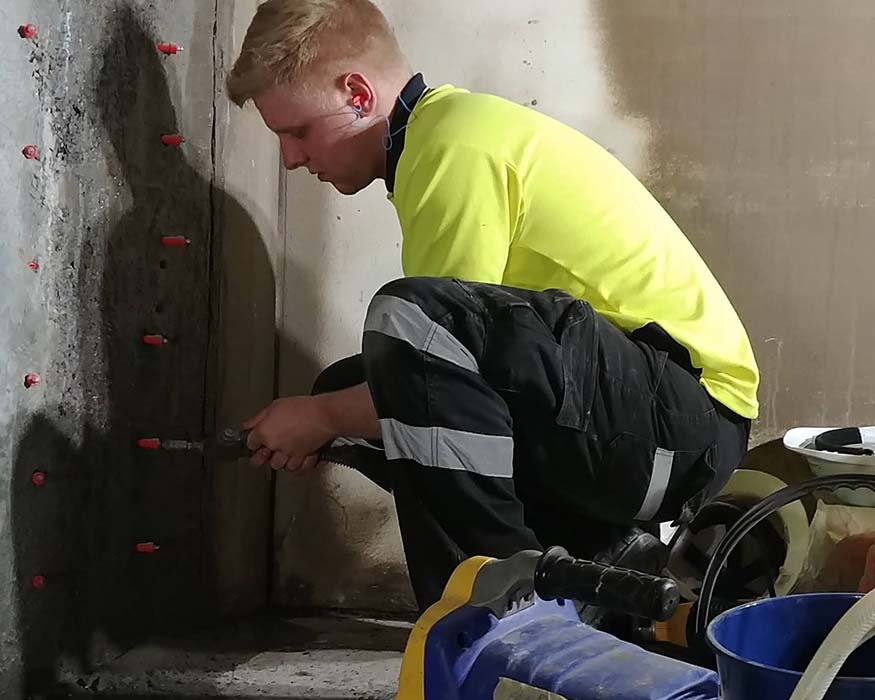
Epoxy Crack Injection
Epoxy crack injection is a process that involves injecting a two-part epoxy resin into the crack to fill it and restore the concrete’s strength. The two parts of the epoxy resin are mixed together before being injected into the crack using a low-pressure injection system. The epoxy resin then cures and hardens, filling the crack and creating a strong bond with the surrounding concrete.
One of the biggest advantages of epoxy crack injection is its strength. Epoxy is an incredibly strong material that can withstand heavy loads and resist cracking, making it an ideal choice for high-stress areas. Additionally, epoxy is highly adhesive, which means it forms a strong bond with the surrounding concrete, preventing the crack from re-opening over time.
Epoxy crack injection is also very versatile and can be used to repair a wide range of concrete cracks, including both structural and non-structural cracks. Epoxy can also be used to fill cracks in both horizontal and vertical surfaces, making it a popular choice for concrete repairs in Sydney.
Polyurethane Crack Injection
Polyurethane crack injection is another popular option for repairing concrete cracks. Like epoxy, polyurethane is injected into the crack to fill it and restore the concrete’s strength. However, the process of injecting polyurethane is slightly different. Instead of using a two-part mixture, polyurethane is a single-component material that reacts with water to expand and fill the crack.
One of the biggest advantages of polyurethane is its flexibility. Polyurethane is a highly flexible material that can withstand movement and expansion in the concrete, making it an ideal choice for repairing cracks that are still active or likely to move over time. Additionally, polyurethane is very resistant to water and can be used to seal cracks in areas that are exposed to moisture or leaks, such as basements or swimming pools.
Another advantage of polyurethane is its ease of use. Polyurethane can be injected at a higher pressure than epoxy, which means it can fill the crack and any voids more quickly and effectively. Additionally, polyurethane is a self-leveling material, which means it can flow into tight spaces and create a complete seal without the need for additional tools or equipment.
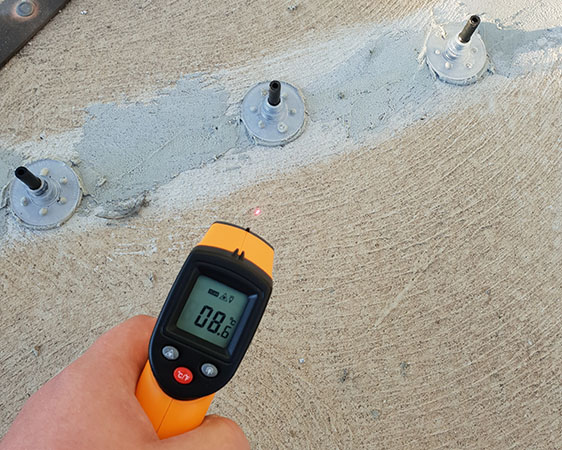
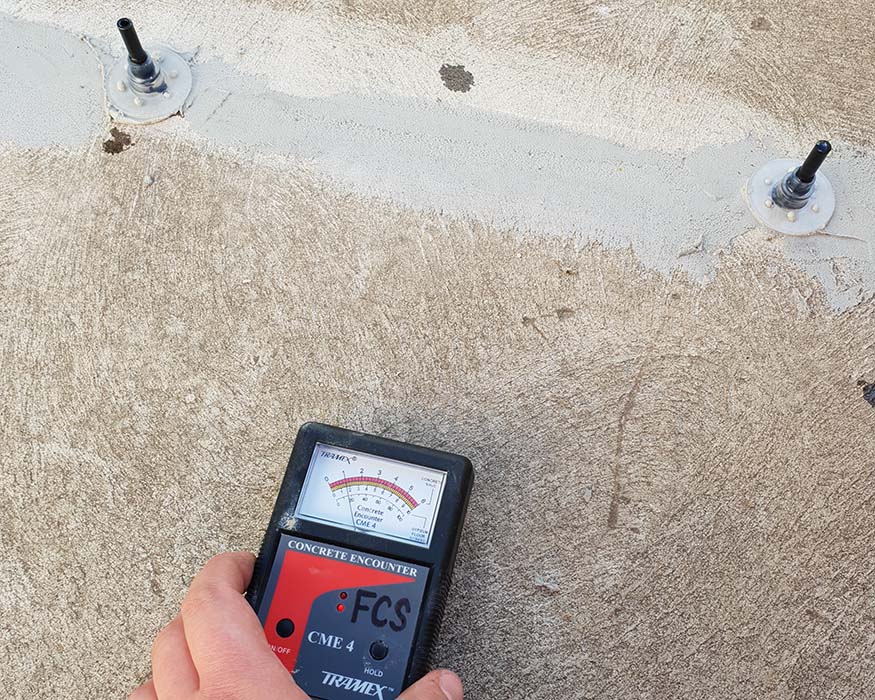
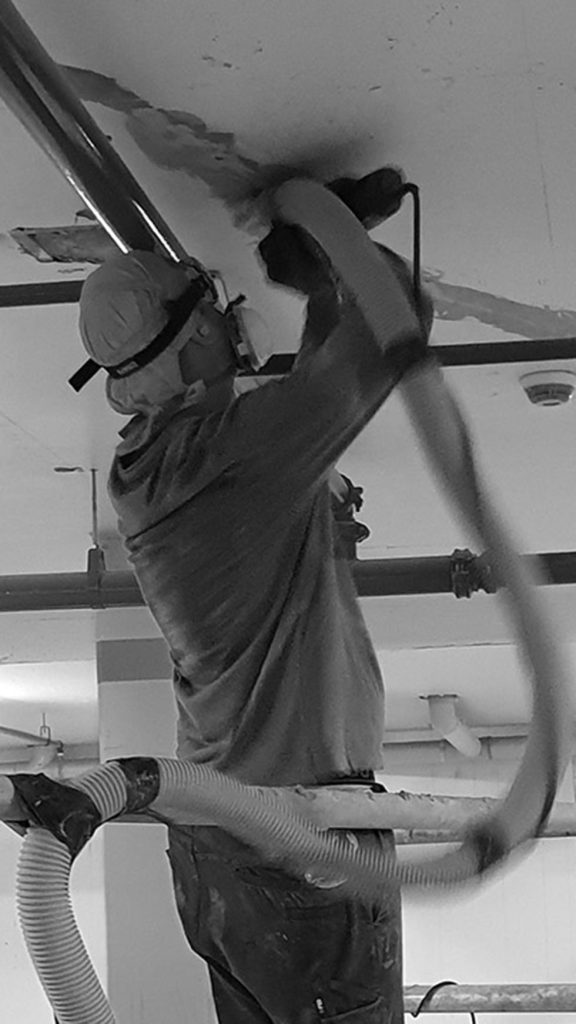
Which is the Better Option?
Choosing between epoxy and polyurethane depends on various factors, including the type of crack, the location of the crack, and the desired outcome of the repair. In general, epoxy is a better option for structural cracks that require maximum strength and durability. Epoxy can also be used to repair cracks in areas that are exposed to heavy loads, such as driveways or industrial floors.
On the other hand, polyurethane is a better option for non-structural cracks that require flexibility and movement. Polyurethane can also be used to seal cracks in areas that are exposed to moisture or other environmental factors, such as basements or swimming pools.
If you’re unsure which repair method is the best option for your concrete crack repair needs in Sydney, don’t hesitate to contact us at FCS Concrete. Our experienced team can help assess the type and location of your concrete crack, and recommend the best repair method to ensure a long-lasting and effective repair. Contact us today to learn more about how we can help you with your concrete repairs in Sydney.
The post Potable Water Storage TanksEpoxy Crack Injection Sydney vs Polyurethane: Which is the Better Option?Potable Water Storage Tanks appeared first on FCS Concrete Repairs.
]]>The post Quakers Hill Sewage Treatment Plant appeared first on FCS Concrete Repairs.
]]>Project: Quakers Hill Sewage Treatment Plant
Location: Quakers Hill NSW
Scope: Crack Injection & Epoxy Coating to Concrete Sump with HDPE
The post Quakers Hill Sewage Treatment Plant appeared first on FCS Concrete Repairs.
]]>