The post Exploring the Durability of Carbon Fibre Strengthening Process appeared first on FCS Concrete Repairs.
]]>Carbon fibre strengthening offers exceptional durability, thanks to the inherent properties of carbon fibre materials and the meticulous application process involved. Unlike traditional repair methods that may succumb to deterioration over time, carbon fibre reinforcements exhibit remarkable resilience to environmental factors and structural stresses.
Harnessing Durability: The Corrosion Resistance of Carbon Fiber Reinforcements
One of the key factors contributing to the durability of carbon fibre strengthening is its corrosion resistance. Unlike steel reinforcements, which are susceptible to rust and corrosion, carbon fibre materials are inert and impervious to moisture and chemical exposure. This resistance ensures that carbon fibre reinforcements maintain their structural integrity even in harsh environmental conditions, such as coastal or industrial settings.
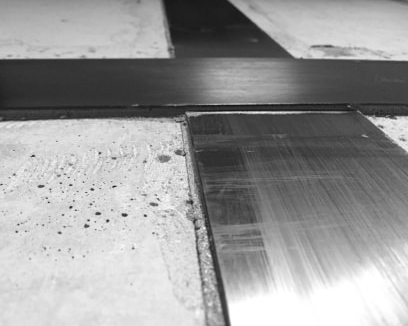
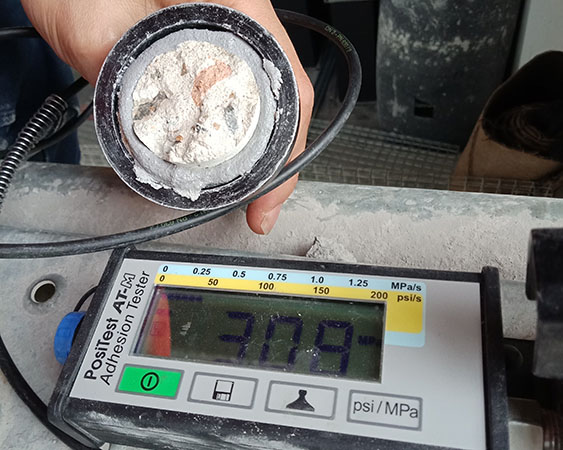
Enhancing Durability Through Advanced Bonding: The Strength and Fatigue Resistance of Carbon Fiber Reinforcements
Moreover, the bonding process used in carbon fibre strengthening contributes to its long-term durability. Specialized adhesives are employed to securely bond the carbon fibre sheets or fabrics to the concrete substrate, creating a robust composite structure. This bond is designed to withstand the forces exerted on the structure, including mechanical loads and thermal expansion, ensuring long-lasting performance.
Furthermore, carbon fibre strengthening offers a high level of fatigue resistance, making it particularly suitable for structures subjected to repetitive or cyclic loading. The flexibility and tensile strength of carbon fibre materials enable them to absorb and dissipate energy effectively, minimizing the risk of fatigue-induced failure over time.Additionally, the lightweight nature of carbon fibre materials minimizes the additional load on the structure, reducing the risk of overburdening and structural fatigue. This characteristic not only enhances the durability of the repaired or strengthened elements but also contributes to the overall sustainability of the structure by optimizing material usage and resource efficiency.
Securing Concrete’s Future: Carbon Fiber Reinforcements for Lasting Strength and Resilience
In conclusion, the durability of the carbon fibre strengthening process is a testament to its effectiveness as a long-term solution for concrete repair and strengthening. With its corrosion resistance, robust bonding, fatigue resistance, and lightweight properties, carbon fibre reinforcements offer enduring protection and enhancement to concrete structures, ensuring their longevity and performance for years to come.
For expert advice on implementing durable concrete repair and strengthening solutions, trust the expertise of FCS Concrete. Contact us today to learn more about how carbon fibre strengthening can enhance the durability and resilience of your structures.
The post Exploring the Durability of Carbon Fibre Strengthening Process appeared first on FCS Concrete Repairs.
]]>The post Carbon Fibre Strengthening vs. Concrete Jacket appeared first on FCS Concrete Repairs.
]]>Carbon fibre strengthening stands out as a modern, innovative solution for reinforcing and enhancing the structural integrity of concrete elements. Utilizing high-strength carbon fibre sheets or fabrics, this method offers several distinct advantages over traditional concrete jacketing.
Carbon Fibre Reinforcement Redefines Structural Stability
Firstly, carbon fibre strengthening is renowned for its remarkable strength-to-weight ratio. The lightweight nature of carbon fibre materials allows for minimal additional load on the structure while providing exceptional strength and durability. This characteristic is particularly advantageous in scenarios where load-bearing capacity is a concern, as it minimizes the impact on the existing structure.
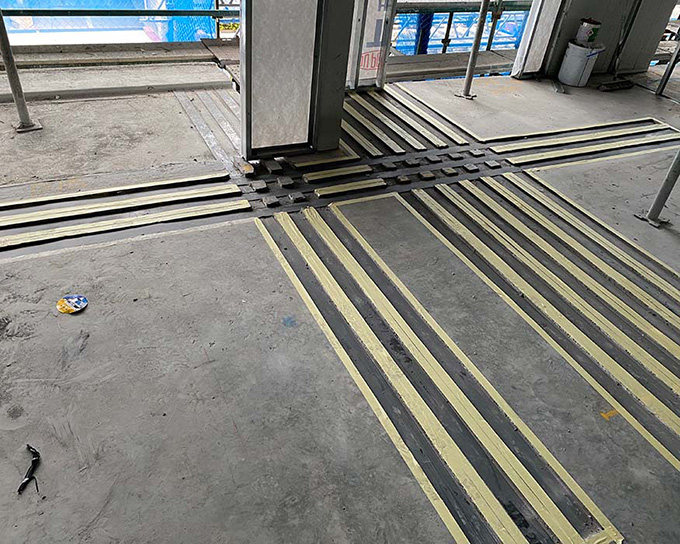
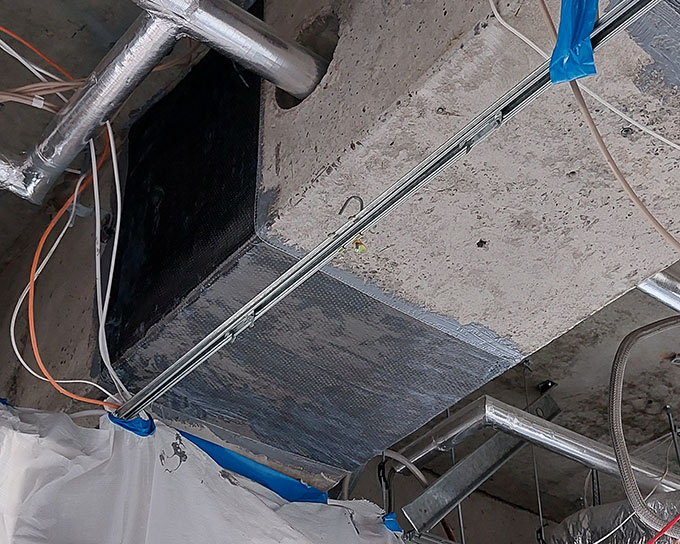
Limitless Applications: Carbon Fibre’s Versatility Revolutionizes Structural Reinforcement
Moreover, carbon fibre strengthening offers unparalleled versatility in application. The flexibility and adaptability of carbon fibre sheets enable precise customization to fit various structural configurations, including curved or irregular surfaces. This versatility enhances its suitability for a wide range of repair and strengthening projects, from bridges and buildings to heritage structures.
Swift Solutions: Carbon Fibre Reinforcement’s Expedited Installation and Minimal Disruption Reshape Structural Repair
Additionally, carbon fibre strengthening boasts rapid installation and minimal disruption compared to concrete jacketing. The application process involves bonding the carbon fibre sheets directly to the concrete surface using specialized adhesives, eliminating the need for extensive formwork or curing time. This efficiency translates to reduced downtime and inconvenience for occupants or users of the structure, making it an attractive option for projects with tight timelines or operational constraints.
However, while carbon fibre strengthening offers numerous advantages, it’s essential to acknowledge that concrete jacketing remains a viable option in certain circumstances. Concrete jacketing, involving the application of additional concrete layers to reinforce existing structures, may be preferable in cases where substantial structural modifications or aesthetic considerations are paramount.
Empower Your Structures With FCS Concrete: Choose Carbon Fibre Strengthening for Unmatched Performance!
In conclusion, the choice between carbon fibre strengthening and concrete jacketing depends on various factors, including project requirements, budget constraints, and structural considerations. While carbon fibre strengthening offers compelling advantages in terms of strength, versatility, and efficiency, it’s crucial to evaluate each method’s suitability based on the specific needs of the project.At FCS Concrete, we specialize in delivering innovative concrete repair and strengthening solutions tailored to your unique requirements. Contact us today to learn more about how carbon fibre strengthening can enhance the durability and performance of your concrete structures.
The post Carbon Fibre Strengthening vs. Concrete Jacket appeared first on FCS Concrete Repairs.
]]>The post Carbon Fiber vs. Reinforcing Steel: A Guide to Optimizing Concrete Strengthening and Reinforcement Costs appeared first on FCS Concrete Repairs.
]]>Strength Unveiled: The Power of Carbon Fiber vs. Steel
Carbon fibre stands as an extraordinary contender in the realm of construction materials. Pound for pound, it outshines steel, boasting an impressive tensile strength that is several times greater. To put it into perspective, carbon fibre can be up to ten times stronger than steel, a characteristic that fundamentally transforms the possibilities for strengthening concrete structures.
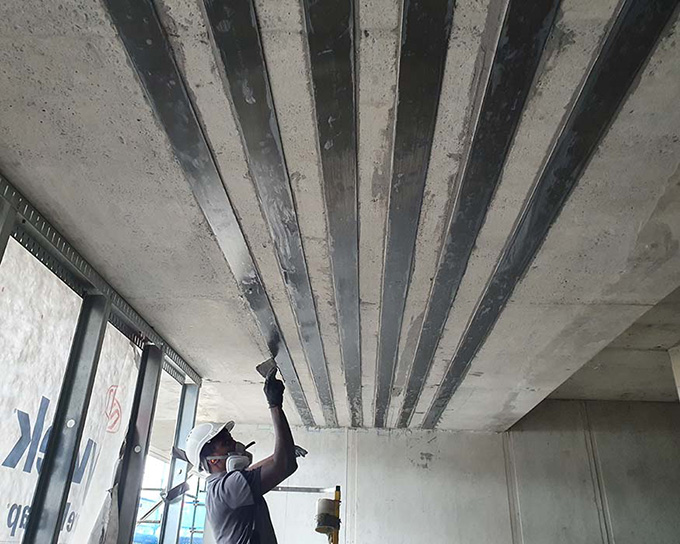
In comparison to traditional reinforcing steel, carbon fibre’s superior strength presents a game-changing advantage. This enhanced strength allows for the creation of lighter and more streamlined structural strengthening without compromising integrity—a feat that traditional materials often struggle to achieve.
Cost-Effectiveness Redefined: The Economics of Carbon Fiber in Concrete Reinforcement
While the initial cost of carbon fibre may raise eyebrows, it’s crucial to view this investment through the lens of long-term cost-effectiveness. Traditional reinforcing steel, while a stalwart in the industry, may incur ongoing maintenance and repair expenses due to corrosion and other environmental factors. Carbon fibre, on the other hand, is inherently resistant to corrosion, providing a durable solution that significantly reduces the need for frequent interventions.
The cost-effectiveness of carbon fibre extends beyond its resistance to corrosion. Its lightweight nature simplifies transportation and installation, reducing labour and logistical costs. Moreover, the versatility of carbon fibre in various applications—be it strengthening and reinforcing columns, beams, slabs, or foundations—offers a holistic and efficient approach to concrete strengthening and reinforcement.
Comparative Insights: Navigating the Carbon Fiber vs. Steel Terrain
In the pursuit of optimized concrete strengthening and reinforcement costs, a comparative analysis becomes paramount. Drawing insights from industry sources, reveals a nuanced understanding of the strengths and considerations of both materials.
Is carbon fibre stronger than steel? The answer is a resounding yes, with carbon fibre exhibiting superior strength-to-weight ratio, ensuring structures can maintain robustness without unnecessary bulk.
Examining the intricacies of carbon fibre versus steel, we find a compelling narrative. The lightweight nature of carbon fibre and its inherent resistance to corrosion, it stands out as a material with pivotal cost-saving features. The diminished requirements for maintenance and replacements position carbon fibre as a strategic investment for ensuring long-term durability.
Conclusion: Navigating the Future of Concrete Reinforcement
As we navigate the evolving landscape of construction materials, the choice between carbon fibre and reinforcing steel transcends the immediate project cost. It’s a strategic investment in the durability and longevity of structures, influencing long-term maintenance and repair expenses.
Carbon fibre, with its unmatched strength and inherent cost-effectiveness, emerges as a formidable contender in the quest to optimize concrete strengthening and reinforcement costs. While steel has long been a stalwart in the industry, the evolution of construction materials invites us to reconsider traditional norms and embrace innovative solutions for a resilient and economically sound future in concrete structural reinforcement.
The post Carbon Fiber vs. Reinforcing Steel: A Guide to Optimizing Concrete Strengthening and Reinforcement Costs appeared first on FCS Concrete Repairs.
]]>The post Carbon Fibre for Superior Concrete Beam Reinforcement appeared first on FCS Concrete Repairs.
]]>Strength, Weight, and Durability:
Carbon fibre’s remarkable strength-to-weight ratio gives it a clear advantage over steel plate. Its lightweight nature allows for seamless installation without introducing excessive load to the structure. Moreover, carbon fibre is corrosion-resistant, making it highly durable even in aggressive environments or high-moisture areas, where steel plates might be prone to degradation.
Flexibility and Application Ease:
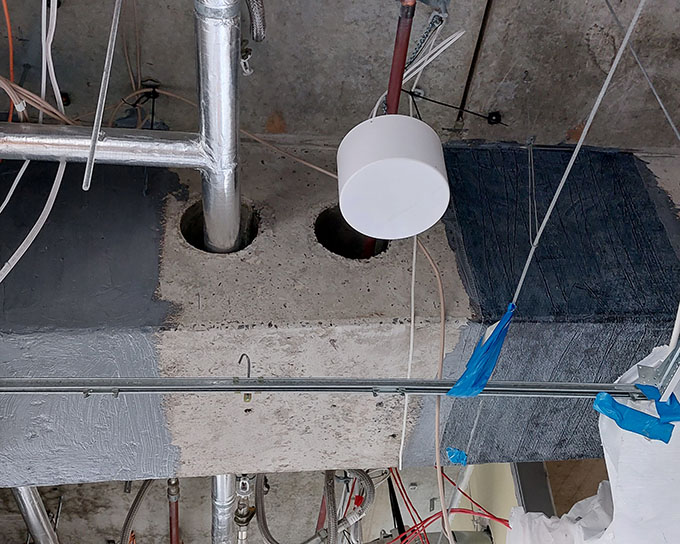
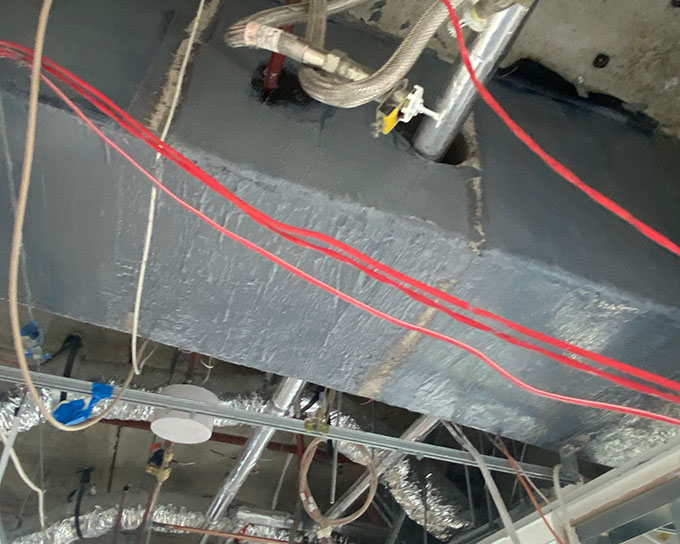
Carbon fibre’s flexibility and adaptability make it ideal for reinforcing complex shapes and curves, ensuring uniform support throughout the entire beam structure. It conforms effortlessly to the contours of the concrete, leaving no weak points. Unlike steel plate reinforcement, which often requires extensive structural modifications, carbon fibre can be applied with minimal intrusion, reducing downtime and impact on the existing structure.
Corrosion Resistance and Longevity:
One of the most significant advantages of carbon fibre is its immunity to corrosion. Unlike steel plates, which are susceptible to rust and degradation over time, carbon fibre maintains its structural integrity and effectiveness throughout its lifespan. This corrosion resistance translates to reduced maintenance and long-term cost savings.
Aesthetics and Space Efficiency:
Carbon fibre’s slender profile ensures a visually appealing reinforcement that seamlessly blends with the concrete. In contrast, steel plates can appear bulky and obtrusive, affecting the overall aesthetics of the structure. Additionally, carbon fibre’s lightweight nature makes it a preferred choice in applications where space is limited, allowing for reinforcement without compromising available space.
Carbon Fibre Reinforced Concrete vs. Steel Rebar:
Compared to traditional steel rebar, carbon fibre reinforcement offers distinct benefits:
- Enhanced Strength: Carbon fibre’s remarkable strength-to-weight ratio provides superior reinforcement without adding substantial load, ensuring concrete beams can support heavy loads without sacrificing aesthetics.
- Corrosion Elimination: Carbon fibre’s corrosion resistance eliminates the risk of rust-induced structural degradation, extending the lifespan of the concrete beams and minimizing maintenance.
- Flexibility and Crack Control: Carbon fibre’s flexibility and uniform distribution of stress effectively prevent cracks from spreading, maintaining the structural integrity of the concrete.
Expertise and Reliability:
As a leader in concrete repair and reinforcement, FCS Concrete excels in providing cutting-edge carbon fibre reinforcement solutions. Our expertise and dedication to innovative techniques position us as a trusted and knowledgeable provider in the field. When choosing carbon fibre for your concrete beam reinforcement needs, you’re opting for reliability, longevity, and a reinforcement choice that truly stands the test of time.
In conclusion, the advantages of carbon fibre for concrete beam reinforcement are compelling. Its strength, durability, corrosion resistance, and flexibility offer a superior solution that ensures reliable and long-lasting reinforcement. Consider the benefits of carbon fibre and make an investment in the structural integrity of your project that will pay off for years to come.
The post Carbon Fibre for Superior Concrete Beam Reinforcement appeared first on FCS Concrete Repairs.
]]>The post Advantages of Carbon Fibre vs. Steel Plate for Reinforcing Concrete Beams appeared first on FCS Concrete Repairs.
]]>Carbon Fibre vs. Steel Plate: Unveiling the Advantages:
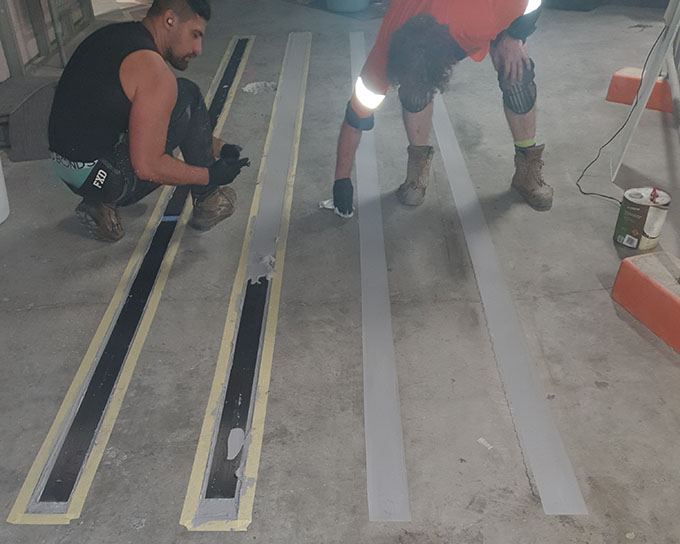
- Strength and Weight Ratio: Carbon fibre exhibits an extraordinary strength-to-weight ratio, outperforming steel plate in this regard. Its lightweight nature allows for seamless installation without introducing excessive load to the structure.
- Durability and Corrosion Resistance: Unlike steel, carbon fibre is inherently corrosion-resistant. In aggressive environments or high-moisture areas, carbon fibre remains unaffected, ensuring the structural integrity of concrete beams over time.
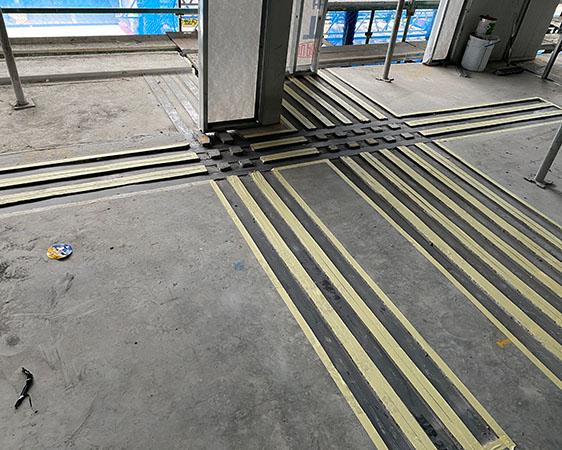
- Flexibility and Adaptability: Carbon fibre’s flexibility and adaptability make it ideal for reinforcing complex shapes and curves, ensuring uniform support throughout the entire beam structure. It conforms effortlessly to the contours of the concrete, leaving no weak points.
- Ease of Application: Carbon fibre reinforcement involves a streamlined process, requiring minimal intrusion during installation. Unlike steel plate, carbon fibre eliminates the need for extensive structural alterations and reduces downtime.
Advantages of Carbon Fibre vs. Disadvantages of Steel Plate:
- Minimized Structural Impact: Carbon fibre’s lightweight and non-invasive application minimizes disruption to the existing structure. In contrast, steel plates often require substantial modifications to accommodate the added weight.
- Corrosion Resistance: Carbon fibre’s immunity to corrosion eliminates the risk of degradation over time, a concern commonly associated with steel plates subjected to moisture and harsh environmental conditions.
- Sleek Aesthetics: Carbon fibre’s slender profile ensures a visually appealing reinforcement that seamlessly blends with the concrete, unlike steel plates that can appear bulky and obtrusive.
- Longevity: Carbon fibre’s ability to withstand dynamic forces and stress ensures its longevity, surpassing the potential fatigue and degradation issues often linked with steel plate reinforcements.
Carbon Fibre Reinforced Concrete vs. Steel Rebar:
The use of carbon fibre for concrete reinforcement offers distinct benefits over traditional steel rebar:
- Enhanced Strength: Carbon fibre’s remarkable strength-to-weight ratio provides superior reinforcement without adding substantial load, ensuring concrete beams can support heavy loads without sacrificing aesthetics.
- Corrosion Elimination: Carbon fibre’s corrosion resistance eliminates the risk of rust-induced structural degradation, extending the lifespan of the concrete beams and minimizing maintenance.
Flexibility and Crack Control: Carbon fibre’s flexibility and uniform distribution of stress effectively prevent cracks from spreading, maintaining the structural integrity of the concrete.
Epoxy vs. Cementitious Repair: A Brief Comparison:
Cementitious repairs have been a conventional choice, but they fall short in several aspects:
- Bonding: Epoxy’s superior bonding capabilities outshine cementitious products, leading to more robust and lasting repairs.
- Flexibility: Epoxy’s flexibility allows it to move with the structure, accommodating slight shifts and movements that can cause cracks.
Aesthetics: Epoxy’s transparent finish ensures an inconspicuous repair, blending seamlessly with the existing brickwork, while cementitious repairs can be visually noticeable.
Application Favouring Carbon Fibre:
In applications where space is limited, and the structure cannot accommodate the bulkiness of steel plates, carbon fibre emerges as the preferred choice. Its slim profile and lightweight nature make it ideal for reinforcing beams in confined areas, preserving the aesthetics and functionality of the space.
In conclusion, the myriad advantages of carbon fibre over steel plate for reinforcing concrete beams are undeniable. Its strength, durability, corrosion resistance, and flexibility offer a superior solution that ensures reliable and long-lasting reinforcement. As a leader in concrete repair and reinforcement, FCS Concrete Repairs, Remedial Builders, excels in providing cutting-edge carbon fibre reinforcement solutions, positioning us as a trusted and knowledgeable provider in the field. Choose the reliability and resilience of carbon fibre – a reinforcement choice that truly stands the test of time.
The post Advantages of Carbon Fibre vs. Steel Plate for Reinforcing Concrete Beams appeared first on FCS Concrete Repairs.
]]>The post Understanding and Resolving Brick Wall Cracks with Epoxy Crack Injection appeared first on FCS Concrete Repairs.
]]>Types of Cracks in Brick Walls:
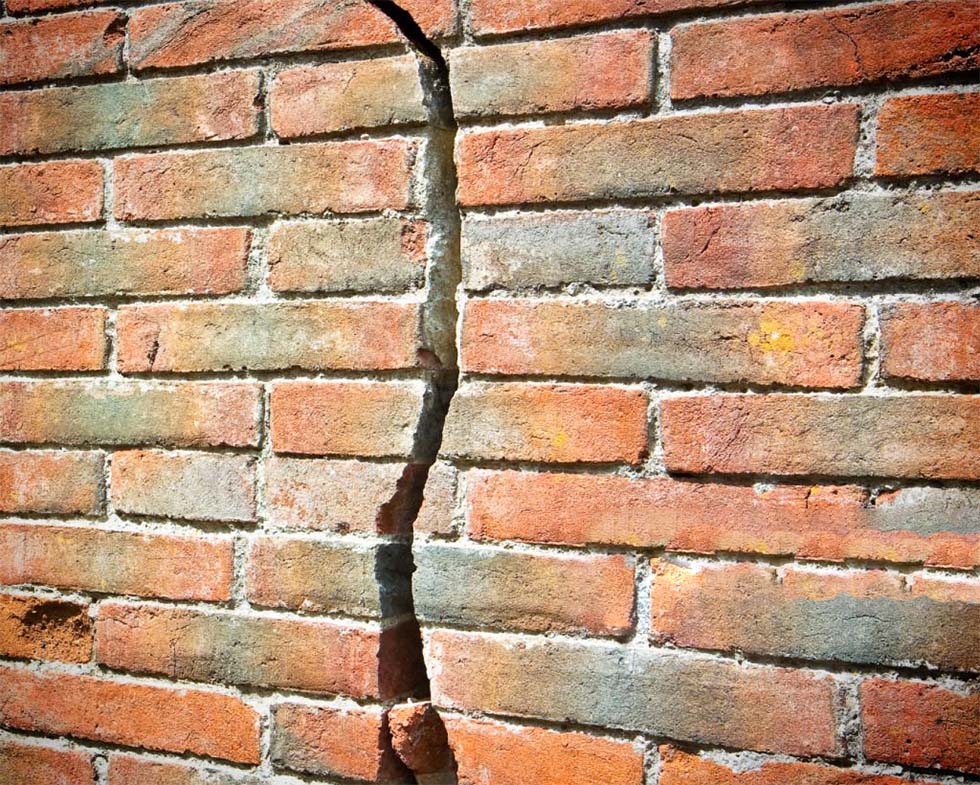
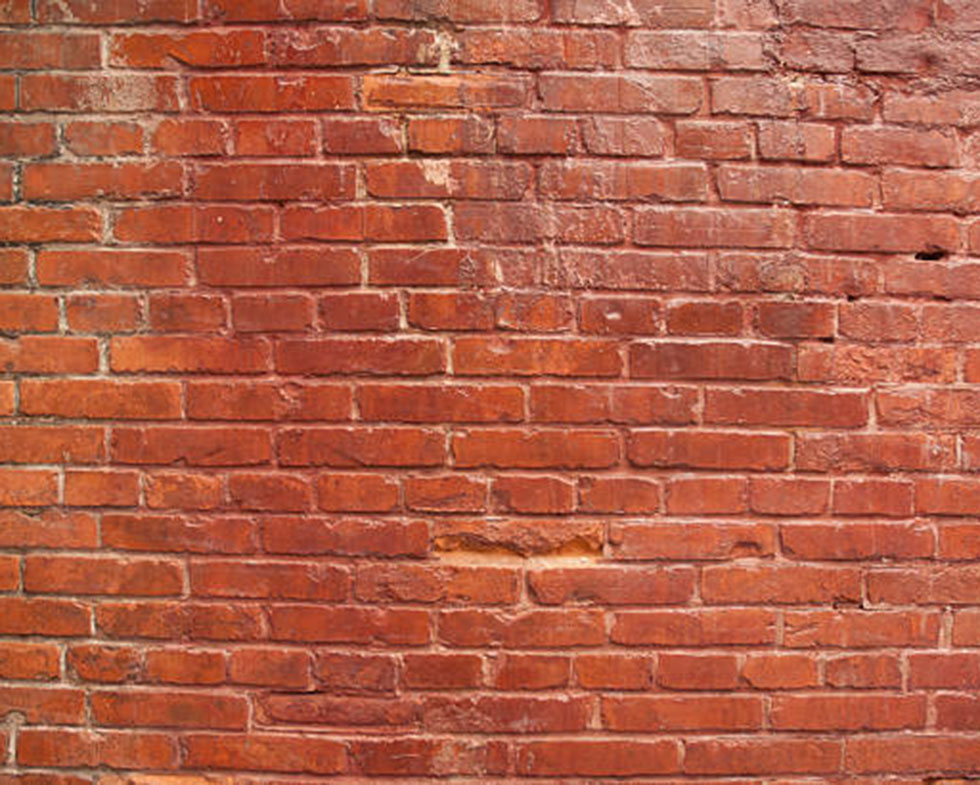
- Vertical Cracks: These cracks commonly appear due to foundation settling or temperature fluctuations. They run vertically along the brickwork, indicating a need for immediate attention to prevent further damage.
- Horizontal Cracks: Often a sign of excessive pressure or structural movement, horizontal cracks can signify serious issues that require prompt intervention to maintain wall stability.
- Stair-Step Cracks: These diagonal cracks resemble a staircase pattern and can be attributed to shifting foundations or poor construction practices. Early detection and appropriate measures are crucial to prevent escalating problems.
The Power of Epoxy Crack Injection:
Epoxy Crack Injection offers a groundbreaking approach to repairing brick wall cracks. Its superior bonding capabilities and exceptional strength make it an optimal choice for various crack types:
- Vertical Cracks: Epoxy’s low viscosity allows it to penetrate deep into narrow vertical cracks, effectively bonding the bricks and restoring structural integrity.
- Horizontal Cracks: Epoxy’s high tensile strength makes it perfect for reinforcing horizontal cracks, distributing stress evenly and preventing further widening.
- Stair-Step Cracks: The flexible properties of epoxy enable it to adapt to the dynamic movement of stair-step cracks, halting their progression and sealing out moisture.
Unrivaled Durability and Cost-Effectiveness:
Compared to traditional cementitious repairs, epoxy offers distinct advantages:
- Durability: Epoxy’s remarkable bonding capacity ensures that repaired areas regain their original strength, withstand structural stress, and resist future cracking, providing long-lasting results.
- Cost-Effectiveness: While initial epoxy application costs may be slightly higher than cementitious products, its longevity and minimal maintenance requirements translate into significant savings over time, making it a cost-effective solution in the long run.
Epoxy vs. Cementitious Repair: A Brief Comparison:
Cementitious repairs have been a conventional choice, but they fall short in several aspects:
- Bonding: Epoxy’s superior bonding capabilities outshine cementitious products, leading to more robust and lasting repairs.
- Flexibility: Epoxy’s flexibility allows it to move with the structure, accommodating slight shifts and movements that can cause cracks.
Aesthetics: Epoxy’s transparent finish ensures an inconspicuous repair, blending seamlessly with the existing brickwork, while cementitious repairs can be visually noticeable.
When to Worry about Cracks in Major Construction Sites:
Major construction sites that extensively use brickwork demand vigilant monitoring of cracks. If these cracks compromise the structural integrity, safety, or aesthetic appeal of the building, immediate action is paramount. Epoxy Crack Injection is particularly advantageous in large-scale projects, as its rapid application and minimal disruption allow for timely repairs without halting construction progress.
In conclusion, Epoxy Crack Injection emerges as the premier solution for repairing different types of cracks in brick walls. Its remarkable bonding capabilities, durability, and cost-effectiveness surpass traditional cementitious repairs. When confronted with cracks in major construction sites, the integration of epoxy ensures efficient, enduring, and visually appealing solutions. Don’t let brick wall cracks undermine your structure—embrace the power of Epoxy Crack Injection for long-lasting, reliable repairs that stand the test of time.
The post Understanding and Resolving Brick Wall Cracks with Epoxy Crack Injection appeared first on FCS Concrete Repairs.
]]>The post Revitalising Aging Infrastructure with Carbon Fibre Structural Strengthening: The Benefits and Applications appeared first on FCS Concrete Repairs.
]]>At FCS Concrete Repairs we offer a range of concrete repair and restoration services, including Carbon Fibre Structural Strengthening. Here are some of the benefits and applications of this technique for revitalizing aging infrastructure.
Improved Structural Integrity
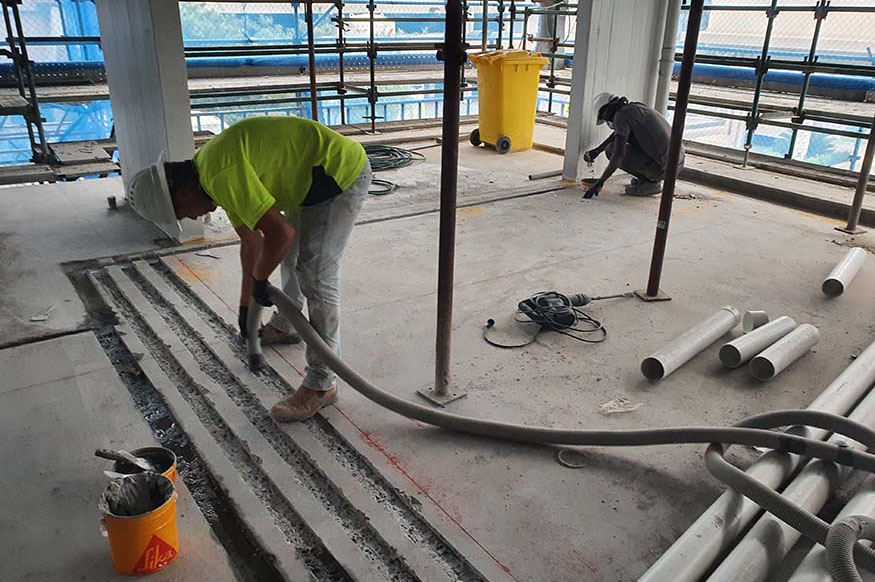
One of the primary benefits of Carbon Fibre Structural Strengthening is that it can significantly improve the load-bearing capacity of aging structures. By adding high-strength carbon fibre reinforcement to existing concrete beams, columns, and slabs, engineers can increase the overall strength and durability of the structure. This can help to prevent structural failure, improve safety, and extend the life of the infrastructure.
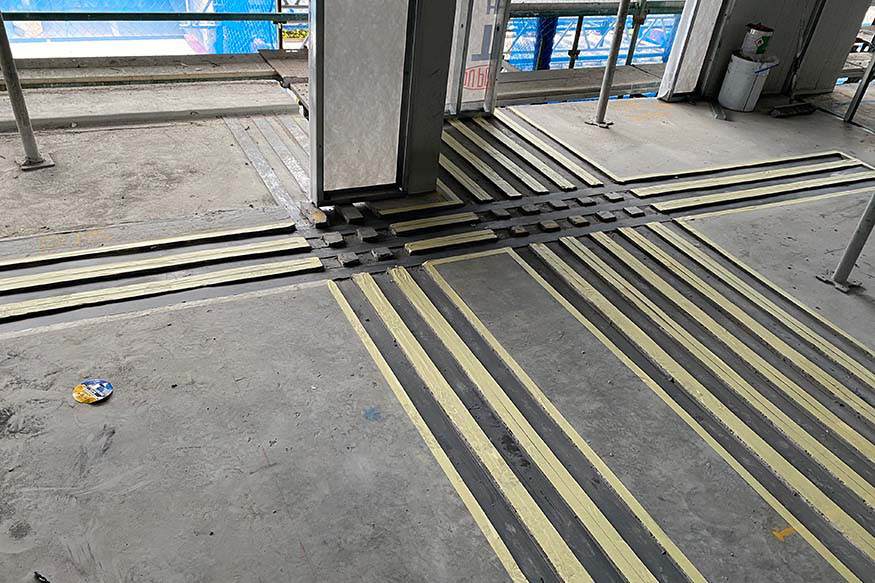
Flexible Design Options
Another advantage of Carbon Fibre Structural Strengthening is that it offers greater design flexibility than traditional reinforcement methods. Carbon fibre sheets and strips can be custom cut to fit any shape or size of structure and can be applied to both flat and curved surfaces. This makes it an ideal choice for reinforcing complex or irregularly shaped structures, such as bridge piers or arches.
Non-Corrosive and Lightweight
Unlike traditional reinforcement materials such as steel, carbon fibre is non-corrosive and will not rust or degrade over time. This means that structures reinforced with carbon fibre are more resistant to environmental factors such as moisture, salt, and chemicals. Additionally, carbon fibre is lightweight, which makes it easier to handle and install than traditional reinforcement materials. This can result in faster and more efficient construction or repair times.
Enhanced Durability and Longevity
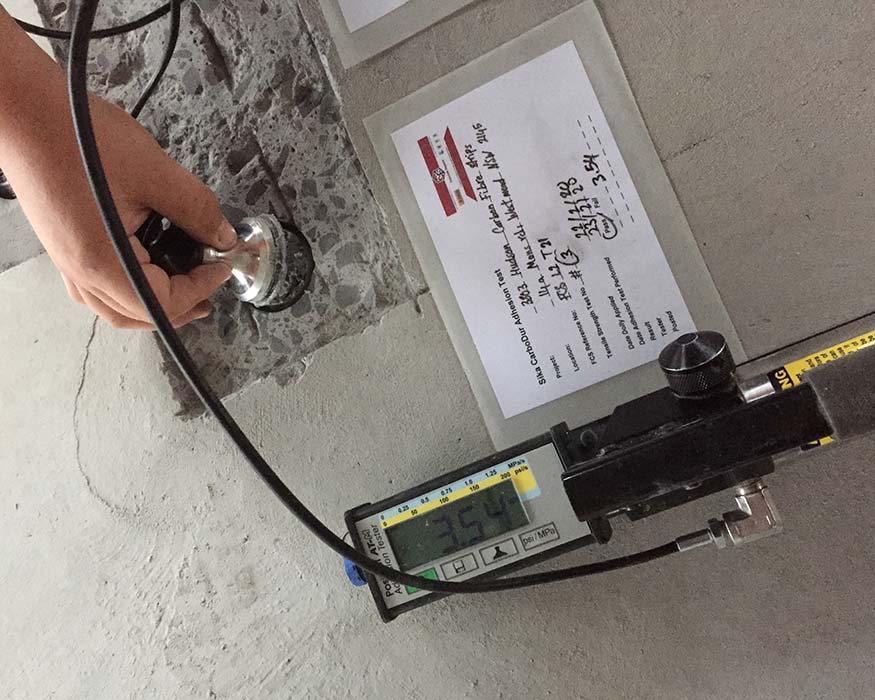
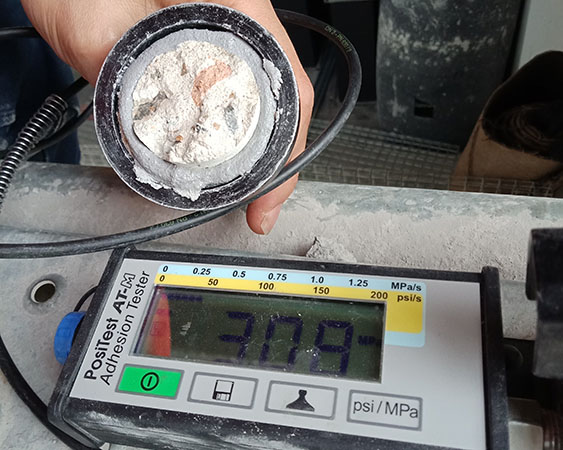
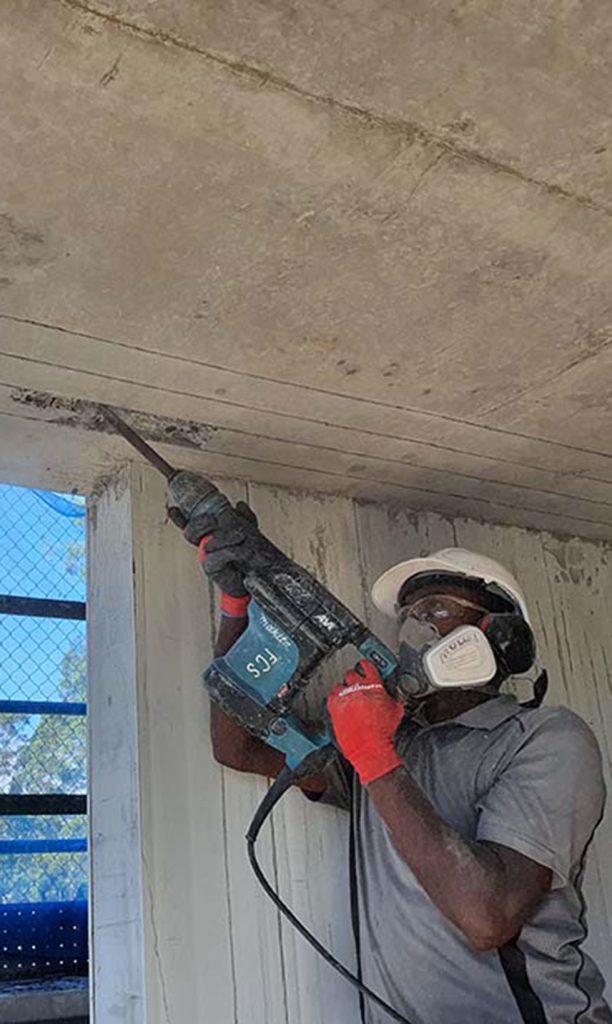
Another advantage of Carbon Fibre Structural Strengthening is that it can significantly enhance the durability and longevity of aging infrastructure. By adding externally applied carbon fibre reinforcement to existing structures, engineers can extend their useful life and delay the need for costly repairs or replacement. Additionally, carbon fibre is a highly durable material that can withstand a wide range of environmental conditions, including extreme temperatures and seismic activity.
Sustainable and Cost-Effective
Finally, Carbon Fibre Structural Strengthening is a sustainable and cost-effective solution for revitalizing aging infrastructure. By extending the life of existing structures, engineers can reduce the need for new construction and the associated carbon footprint. Additionally, carbon fibre reinforcement is often less expensive than traditional reinforcement materials such as steel, which can result in significant cost savings for construction or repair projects.
Applications of Carbon Fibre Structural Strengthening
Carbon Fibre Structural Strengthening can be applied to a wide range of aging infrastructure, including bridges, tunnels, buildings, and other structures. Here are some examples of its applications:
- Bridge Repair and Rehabilitation: Carbon Fibre Structural Strengthening can be used to repair and strengthen bridge decks, girders, and piers. This can help to extend the life of aging bridges and reduce the need for costly replacements.
- Building Restoration: Carbon Fibre Structural Strengthening can be used to reinforce and restore aging buildings, including historical structures. This can help to preserve important cultural landmarks and extend their useful life.
- Tunnels and Subway Stations: Carbon Fibre Structural Strengthening can be used to reinforce tunnels and subway stations, improving their safety and durability.
- Water Treatment Plants and Dams: Carbon Fibre Structural Strengthening can be used to reinforce water treatment plants, dams, and other critical infrastructure. This can help to prevent structural failure and ensure the continued supply of clean water.
If you’re looking to revitalize your aging infrastructure and improve its structural integrity, consider Carbon Fibre Structural Strengthening. At FCS Concrete Repairs, we specialize in providing high-quality and reliable structural strengthening solutions using carbon fibre technology. Our experienced team can help you assess your infrastructure’s needs, provide cost-effective solutions, and deliver long-lasting results that exceed your expectations.
Don’t wait until it’s too late to address your infrastructure’s aging and deteriorating condition. Contact FCS Concrete Repairs today to learn more about how our Carbon Fibre Structural Strengthening services can help you improve your infrastructure’s performance and extend its lifespan.
The post Revitalising Aging Infrastructure with Carbon Fibre Structural Strengthening: The Benefits and Applications appeared first on FCS Concrete Repairs.
]]>The post Epoxy Crack Injection vs Polyurethane Crack Injection appeared first on FCS Concrete Repairs.
]]>What is Epoxy Crack Injection?
Cracks in concrete structures are a common problem, and if left untreated, they can cause serious damage. Fortunately, there are different types of crack injection methods available, including polyurethane and epoxy crack injection. In this blog post, we will discuss the differences between these two methods:
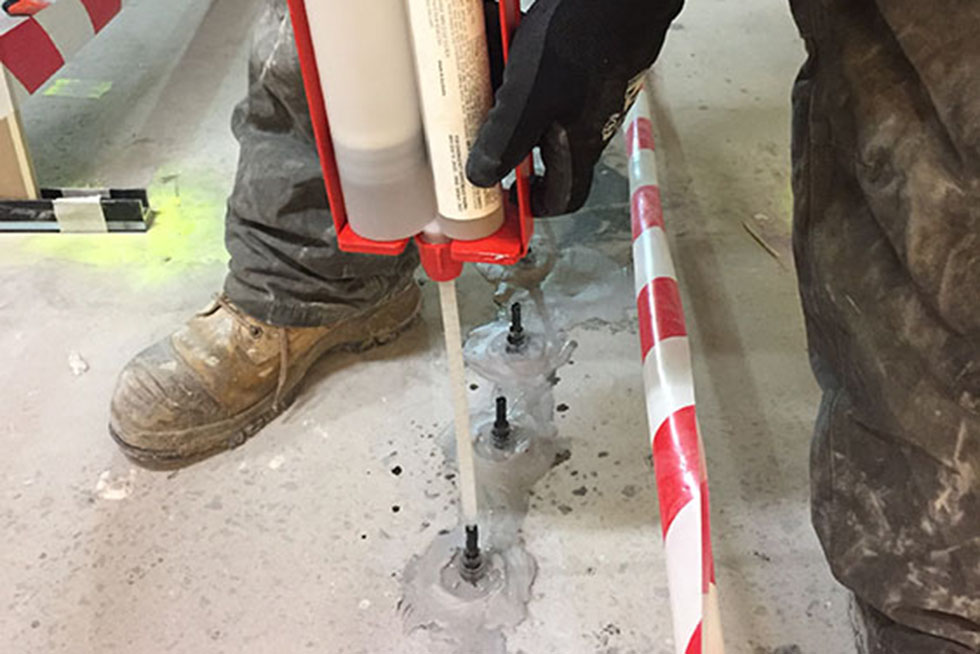
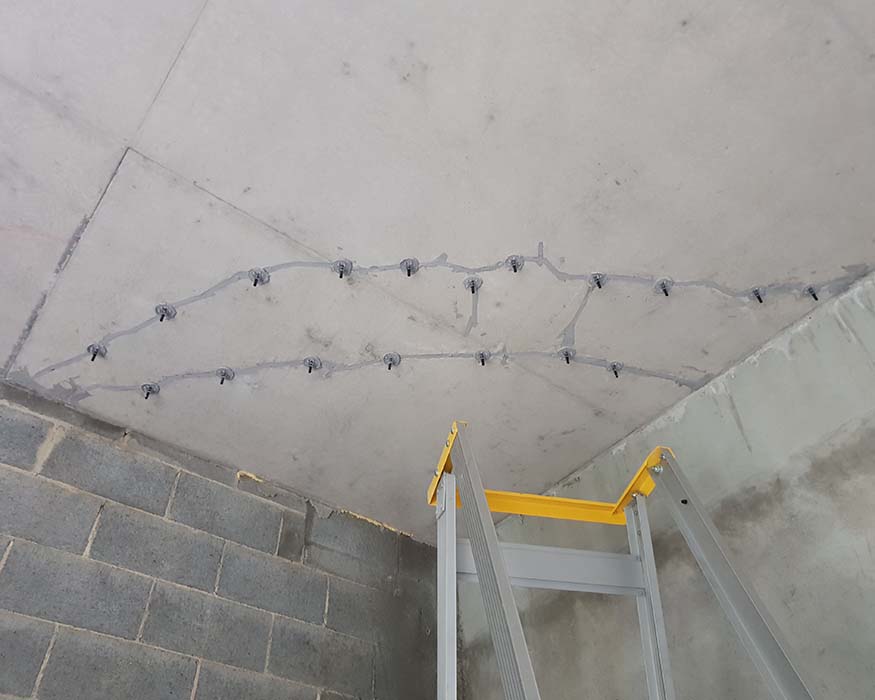
Epoxy crack injection involves injecting an epoxy resin into a crack in the concrete. The resin fills the crack and hardens to create a strong bond. This method is typically used for larger cracks and for cracks that are not actively leaking water.
What is Polyurethane Crack Injection?
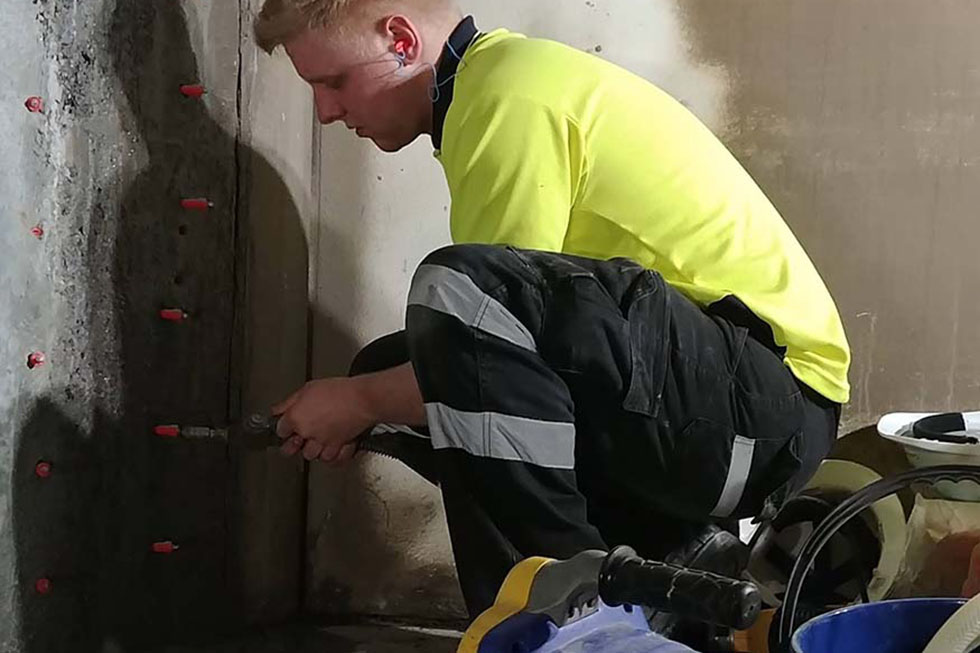
Polyurethane crack injection involves injecting a liquid polyurethane resin into a crack in the concrete. The resin then expands to fill the crack and create a seal. This method is typically used for small cracks and for cracks that are actively leaking water.
What are They Used For?
Both polyurethane and epoxy crack injection methods are used to repair cracks in concrete structures. They are used to remediate concrete cracking and prevent further damage and/or water ingress.
Characteristics of Epoxy versus Polyurethane Crack Injection
Epoxy Provides a Stronger and More Durable Repair.
Epoxy is a much stronger and more durable material than polyurethane but is not flexible and does not expand with movement in the structure as does polyurethane. Epoxy forms a hard, rigid bond with the concrete, whereas polyurethane is a flexible material.
Where there is movement in the cracks Polyurethane may be the better choice due to its flexibility and ability to expand.
Epoxy Injection Performed at Low Injection Pressures
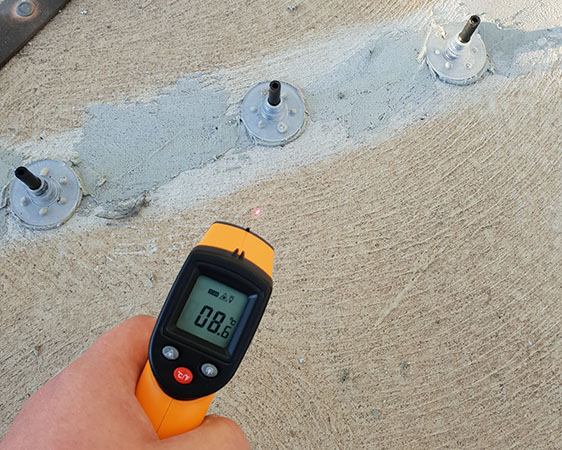
Epoxy crack injections are typically performed at lower injection pressures (20-200 psi) and with surface mounted ports. Polyurethane crack injection is often performed at higher pressures to move the expanding foam through the cracks with special injection pumps and packers installed into drilled holes. The injected polyurethane is supposed to fill the crack through the entire thickness of the structure thereby preventing water from entering the crack.
Better for Structural Repairs
Epoxy crack injection is the preferred method for structural repairs because epoxy is a rigid material, it can be used to repair cracks in load-bearing concrete structures, such as foundations, walls, and beams. The tensile strength and compression strength of cured epoxy is typically much greater than the strength of concrete making epoxy a good choice for structural crack repair.
Polyurethane, on the other hand, is not strong enough to be used in structural repairs.
Better Adhesion to Concrete
Epoxy has better adhesion to concrete than polyurethane.When injected into a crack, epoxy forms a strong bond with the concrete, creating a seamless repair.
Epoxy Requires Dry Conditions
Epoxy typically has reduced adhesion to wet and saturated surfaces. Dry conditions are required.
Polyurethane injection foams and resins can be used in adverse conditions in wet and dry applications regardless of the condition of the crack. The crack can narrow or wide, and actively leaking. Polyurethane injection foam is primarily a water activated sealant or leak-seal grout with expanding properties during reaction with moisture. The cured product creates a compression seal of varying flexibility.
Water Stop and Structure Preservation
Epoxy cannot be used for actively leaking cracks. Epoxy resin needs to be contained in a crack until cured sufficiently to achieve full strength.
The rapid curing of polyurethane and the chemical expansion of the polyurethane foam (typically 2-40 times its original volume) makes polyurethane very effective at filling voids within the concrete which is beneficial when stopping a gushing leak.
Resistant to Chemicals and Moisture
Epoxy is more resistant to chemicals and moisture than polyurethane. This makes it a better choice for repairs in areas that are exposed to harsh chemicals or moisture, such as parking garages, industrial facilities, and basements.
Better Aesthetic Results
Epoxy crack injection provides a smoother and more seamless repair than polyurethane. Because epoxy hardens to a rigid finish, it can be sanded and painted to match the surrounding concrete, providing a more aesthetically pleasing result.
Conclusion
The choice between Epoxy and Polyurethane depends on the moisture conditions and the structural requirements of the repair. At FCS Concrete, we understand the importance of choosing the right crack injection method for your concrete repairs, that’s why we offer the best advice and best concrete repair services in Sydney. Our team of experienced professionals will assess your concrete structure, determine the best course of action, and provide a high-quality repair that will restore the structural integrity of your building.
Don’t wait until it’s too late. Cracks in concrete structures can cause serious damage if left untreated. Contact FCS Concrete today to schedule an inspection and learn more about our crack injection services.
The post Epoxy Crack Injection vs Polyurethane Crack Injection appeared first on FCS Concrete Repairs.
]]>The post Carbon Fibre Structural Strengthening application in building structures appeared first on FCS Concrete Repairs.
]]>Strength and Durability
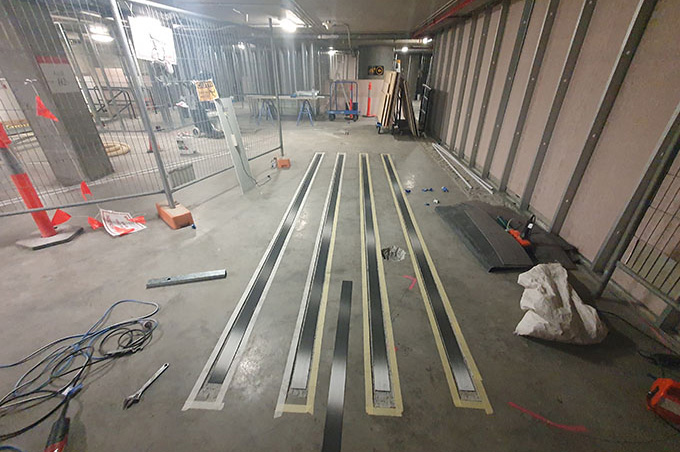
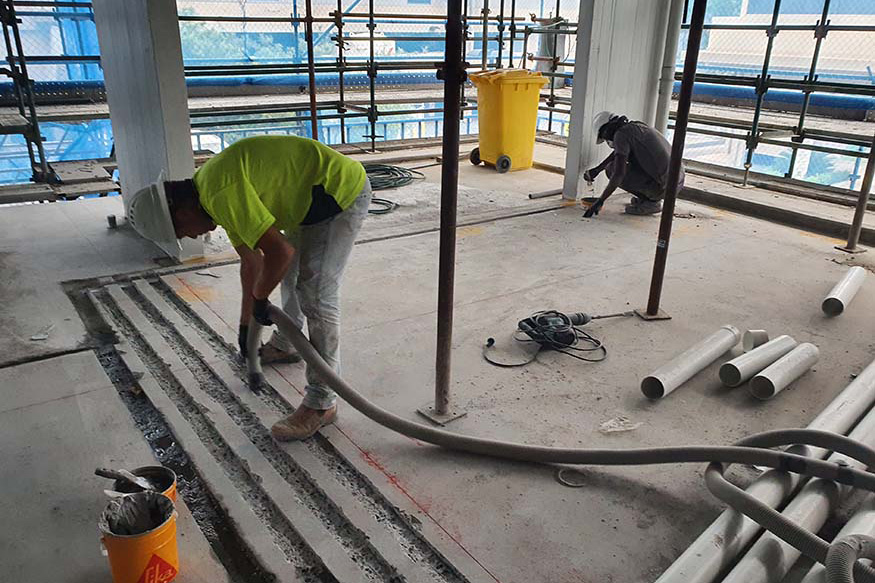
Carbon fibre structural strengthening is a popular technique used in the construction industry to reinforce building structures. The method involves the use of high-strength carbon fibres to enhance the structural capacity of concrete, masonry, and steel structures. Here are five advantages of carbon fibre structural strengthening in building structures:
Carbon fibre is one of the strongest materials in the world. It has a higher tensile strength than steel, and it is also lightweight, making it an ideal material for reinforcing structures. Carbon fibre reinforcement provides exceptional strength and durability, enhancing the structural capacity of the building. Carbon fibre has high resistance to corrosion, which means it can withstand harsh environmental conditions, including extreme temperatures and corrosive chemicals.
Cost-Effective
Carbon fibre structural strengthening is a cost-effective alternative to traditional methods of structural reinforcement. It offers a significant reduction in the cost of construction and maintenance. The installation process is relatively fast and straightforward, and it requires less labour, which reduces the cost of labour. Carbon fibre is also lightweight, which means that it does not add significant weight to the structure, reducing the need for additional support.
Minimal Disruption
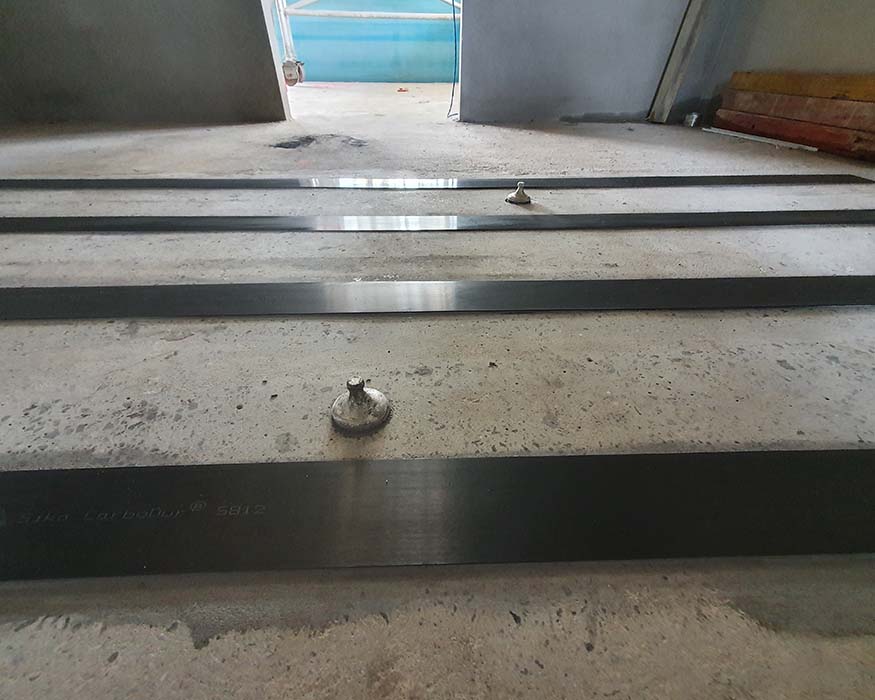
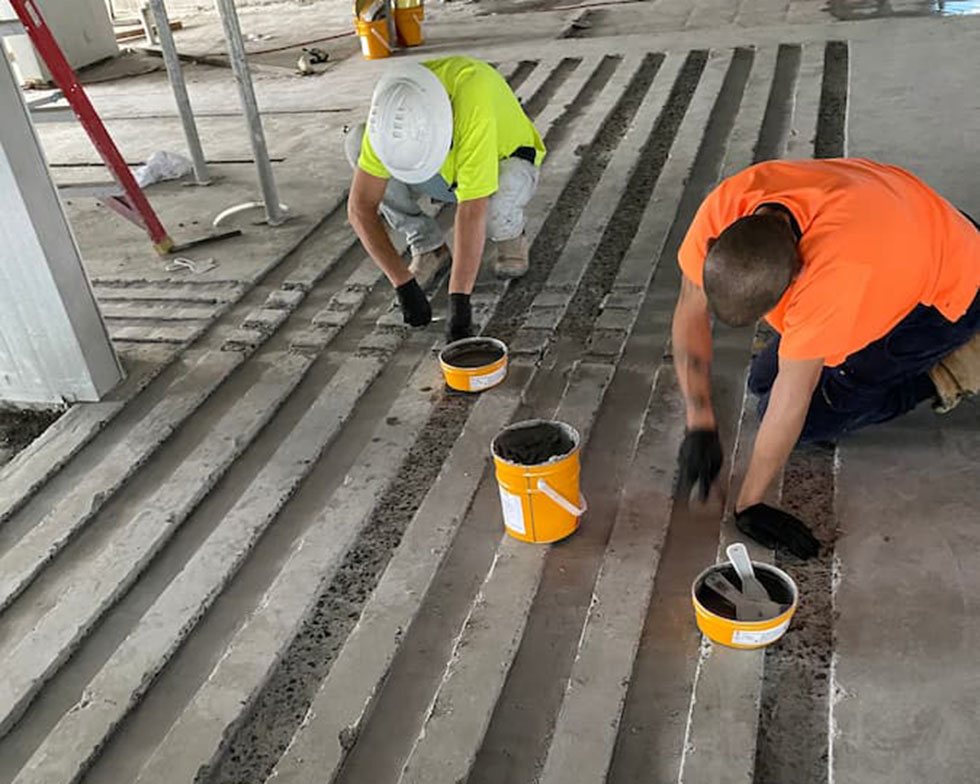
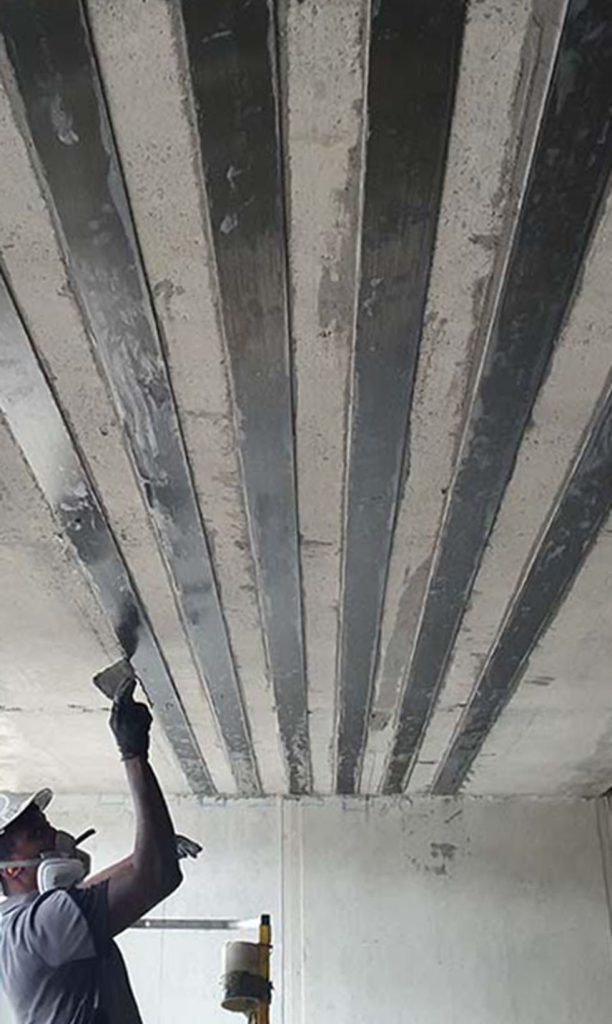
Carbon fibre structural strengthening offers minimal disruption to the building’s occupants during installation. The installation process is non-invasive, and it does not require extensive demolition or excavation work. The carbon fibre reinforcement is applied externally to the structure, which means that the building’s interior remains intact during installation. This is particularly beneficial for buildings that are in use or occupied, as it minimizes the impact on the building’s occupants.
Versatility
Carbon fibre structural strengthening is a versatile technique that can be applied to a wide range of building structures, including concrete, masonry, and steel. The technique can be used to reinforce structural elements such as columns, beams, slabs, walls, and foundations. It is also suitable for both new construction and retrofit applications, making it a versatile solution for a range of building projects.
Long-Term Performance
Carbon fibre structural strengthening offers long-term performance benefits. The material is highly resistant to corrosion and degradation, ensuring that the building’s structural integrity is maintained over time. Carbon fibre reinforcement can also withstand seismic activity and extreme weather conditions, providing a high level of safety and security for building occupants.
At FCS Concrete, we specialize in providing carbon fibre structural strengthening services in Sydney, Australia. Our team of experienced professionals uses high-quality materials and the latest techniques to ensure that our clients receive the highest standard of service. We offer a range of carbon fibre structural strengthening solutions that are tailored to meet the specific needs of our clients.
Whether you require reinforcement for a new building or a retrofit project, our team can provide a comprehensive solution that meets your requirements. We work closely with our clients to ensure that we understand their needs and deliver a solution that exceeds their expectations. We are committed to providing high-quality services at a competitive price, ensuring that our clients receive the best value for their investment.
In conclusion, carbon fibre structural strengthening offers a range of advantages for building structures. It provides exceptional strength and durability, is cost-effective, offers minimal disruption during installation, is versatile, and offers long-term performance benefits. At FCS Concrete, we specialize in providing carbon fibre structural strengthening services in Sydney, Australia, and we are committed to delivering high-quality solutions that exceed our clients’ expectations. Contact us today to learn more about our services and how we can help reinforce your building structure.
The post Carbon Fibre Structural Strengthening application in building structures appeared first on FCS Concrete Repairs.
]]>The post Water leakage in concrete slabs appeared first on FCS Concrete Repairs.
]]>How to find and repair water leakage in concrete slabs?
If you are a homeowner or business owner in Sydney, Australia, you may be familiar with concrete slabs, as they are a popular choice for construction projects. While concrete slabs are durable and long-lasting, they are not immune to wear and tear over time. One of the most common problems that can occur with concrete slabs is water leakage, which can be a major headache to deal with. In this article, we will discuss how to identify water leakage in concrete slabs, the causes of the problem, and how to fix it.
Identifying the problem:
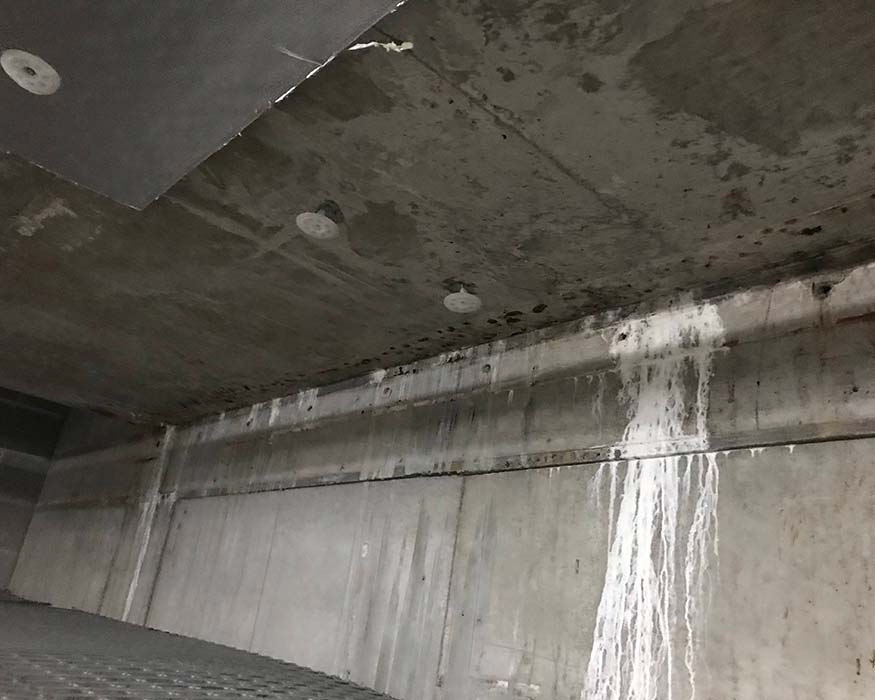
One of the most common ways to identify water leakage in a concrete slab is to look for damp spots or water stains on the surface of the slab. Another indicator of water leakage is the presence of a musty, odour or mould growth, which can be a sign that there is excess moisture in the area. If you notice any of these signs, it is important to address the problem as soon as possible to prevent further damage.
Causes of the problem:
Water leakage in concrete slabs can be caused by a variety of factors, including poor installation, inadequate waterproofing, and natural wear and tear over time. Poor installation can lead to gaps or cracks in the concrete, which can allow water to seep through. Inadequate waterproofing can also be a factor, particularly if the concrete is exposed to the elements or is in an area with high humidity levels. Over time, the concrete may also develop cracks or fissures, which can allow water to penetrate the surface.

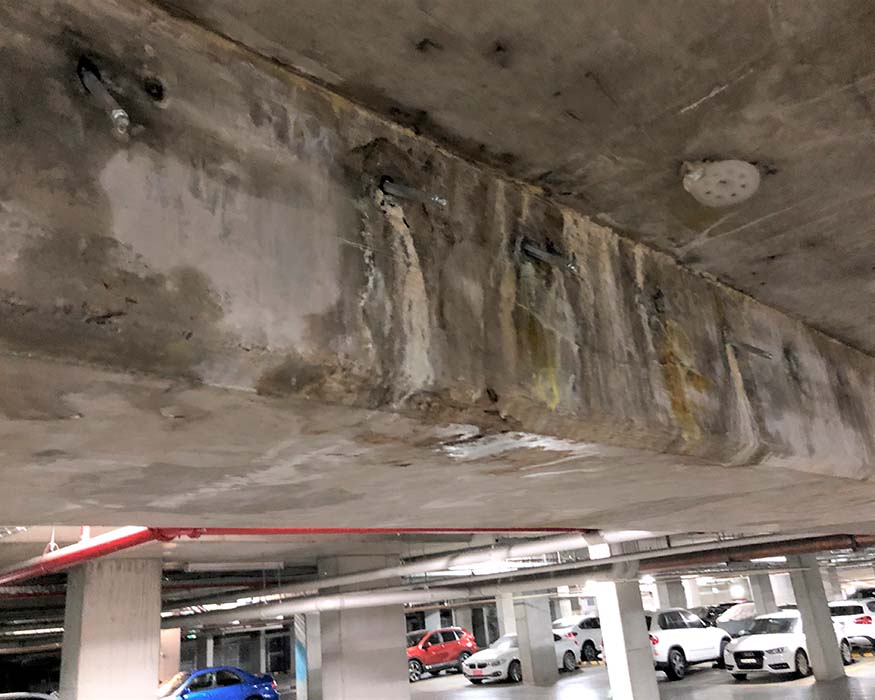
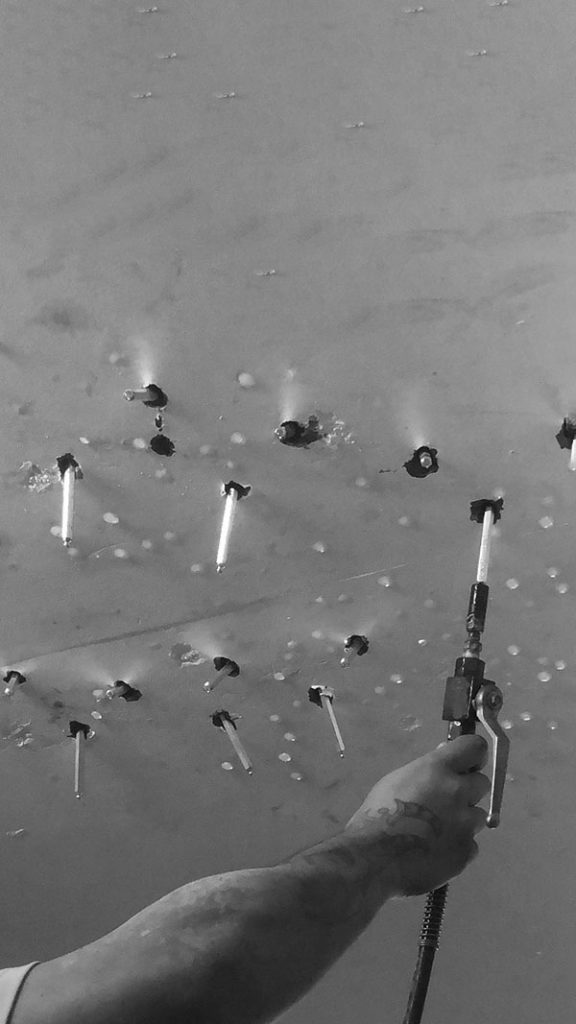
How to fix it:
At FCS Concrete, we specialize in finding and repairing water leakage in concrete slabs. Our team of experienced professionals has the knowledge and tools necessary to locate leaks quickly and efficiently, so we can get to work on repairing them as soon as possible. We use the latest technology, to accurately pinpoint the location of the leak.
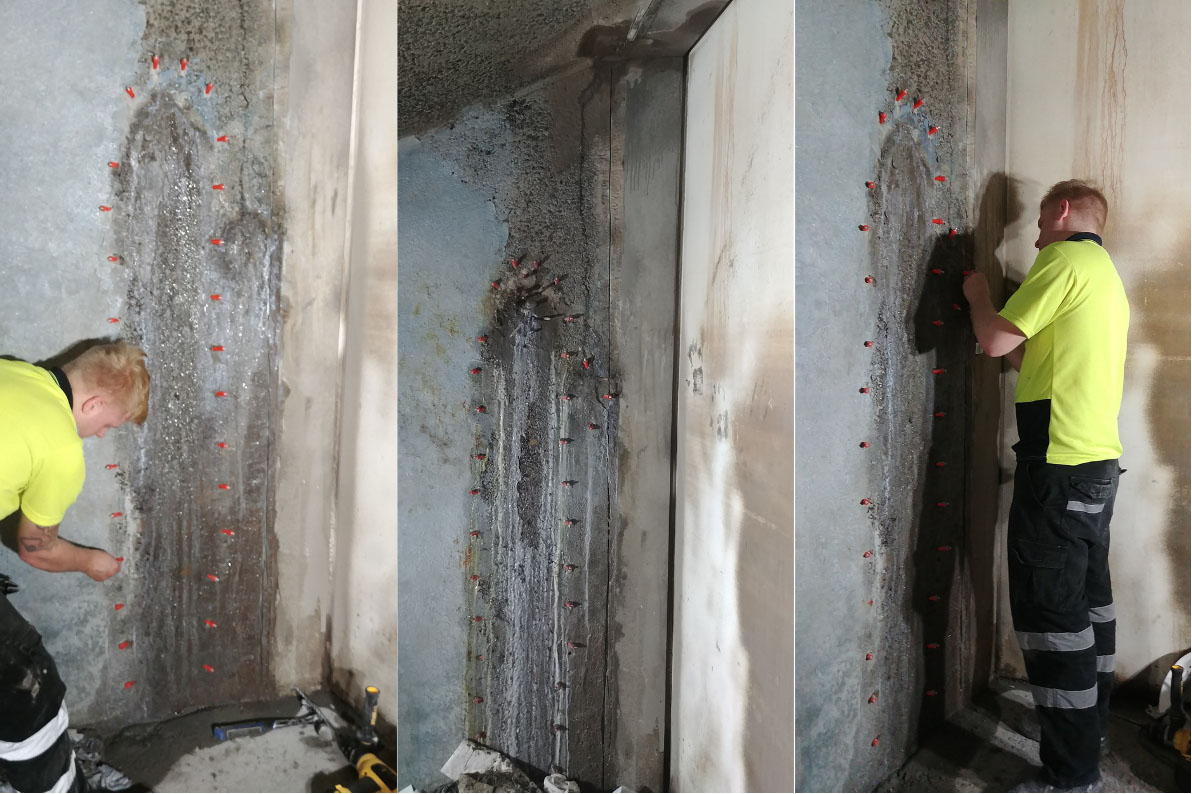
Once we’ve located the leak, we’ll work with you to develop a plan for repairing it. Depending on the extent of the damage, we may need to remove a portion of the concrete slab and replace it with new material. In other cases, we may be able to repair the leak without having to remove any concrete at all. Our services include epoxy injection, which can help to seal any cracks or gaps in the concrete, as well as waterproofing solutions to help prevent future leaks.
What can happen if you don’t fix it:
If you don’t address water leakage in your concrete slab, it can lead to a variety of problems. First and foremost, excess moisture can weaken the concrete and make it more susceptible to damage over time. This can lead to more extensive repairs down the line, which can be costly and time-consuming. Additionally, excess moisture can create a breeding ground for mould and mildew, which can be harmful to your health and lead to respiratory issues. If you have any concerns about water leakage in your concrete slab, it is important to contact a professional as soon as possible to address the problem.
At FCS Concrete, we offer reliable and affordable services that are designed to get your concrete slab back to its original condition as quickly as possible. We understand the importance of addressing water leakage in a timely manner to prevent further damage, and we are committed to providing the highest quality services to our clients. Contact us today to schedule a consultation and learn more about how we can help you.
In conclusion, water leakage in concrete slabs can be a major problem, but it is important to address it as soon as possible to prevent further damage. If you notice any signs of water leakage in your concrete slab, it is important to contact a professional to address the problem. At FCS Concrete, we offer a range of services to help locate and repair water leakage in concrete slabs
The post Water leakage in concrete slabs appeared first on FCS Concrete Repairs.
]]>