The post What is Carbon Fibre Structural Strengthening? appeared first on FCS Concrete Repairs.
]]>This is a very cost effective method for structural strengthening where a structure is required to carry increased loads or where the structures design is inadequate.
Carbon fibre is woven into in a matrix of Polymer Resin to form the material and its properties are dependent on the ratio of fibre to polymer as well as the structure of the matrix. This material is very light weight as it has a high strength to weight ratio.
FCS Concrete Repairs are experienced in the application of CFRP plates, strips and wrap to the structural strengthening of building structures.
FCS Concrete Repairs install the CFRP in accordance with the design prepared by Qualified Structural Engineers.
A recent applications of this technology:
Project: Surry Hills
Structural Strengthening of Soffit.
The scope of work was to supply all labour, materials, tools, equipment and materials for the Works associated with the Strengthening Sika CarboDur M Carbon Fibre Strips.
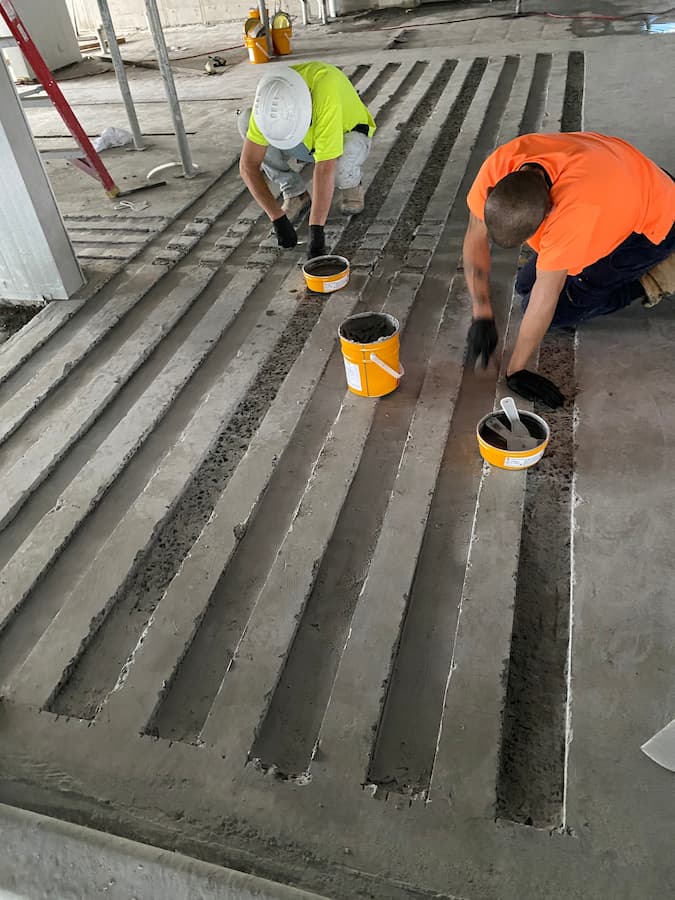
Methodology:
- All work and requirements as per Sika CarboDur® Method Statement and PDS.
- Preparation Grinding / Blasting surface.
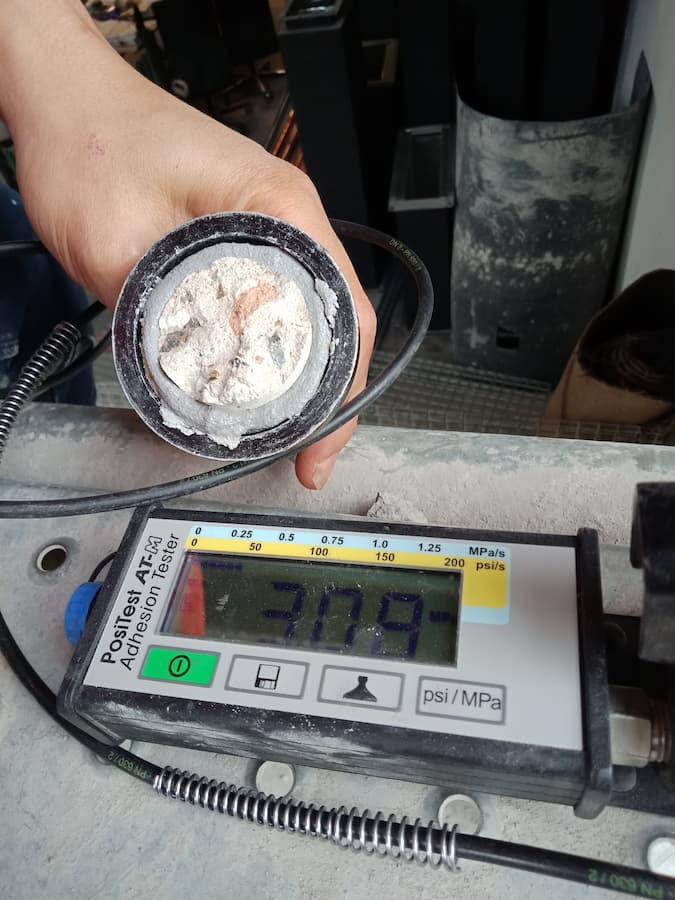
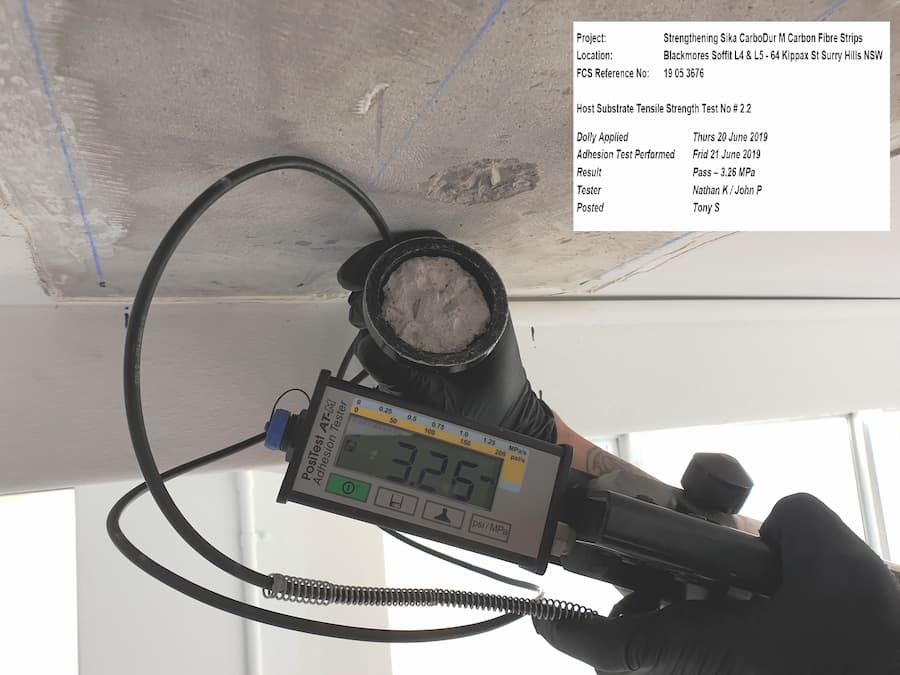
- Pull-off Tensile strength testing of the concrete substrate.
- Tolerance, surface deviation, level measurement and testing to ensure minimum tolerances required.
- The substrate moisture content must be tested and verified.
- Plate pull-off testing semi-destructive Quality Control.
- High Build epoxy to top of slab. Levelling 0 -10mm.
- Remove all Services and Ceiling Tiles and Ceiling Grids, providing unimpeded access.
- Protect Completed Product to ensure the Sika CarboDur® is not cut or drilled through or tampered with.
- Generally repair all test holes and make good.
- Clean and remove overspill, patch and make good, as required.
- Conduct Testing and Commissioning.
Product recommended by FCS Concrete Repairs for structural strengthening in this application:
Sika® CarboDur® M
Sika® CarboDur® plates are pultruded carbon fibre reinforced polymer (CFRP) laminates, designed for strengthening concrete, timber, masonry, steel and fibre reinforced polymer structures.
Sika® CarboDur® plates are bonded onto the structure as externally bonded reinforcement using Sikadur®-30 epoxy resin based adhesive for normal applications.
Sikadur 30LP is an epoxy resin based adhesive for elevated temperatures during application and / or service, however lead times do apply call your local Sika office for further information.
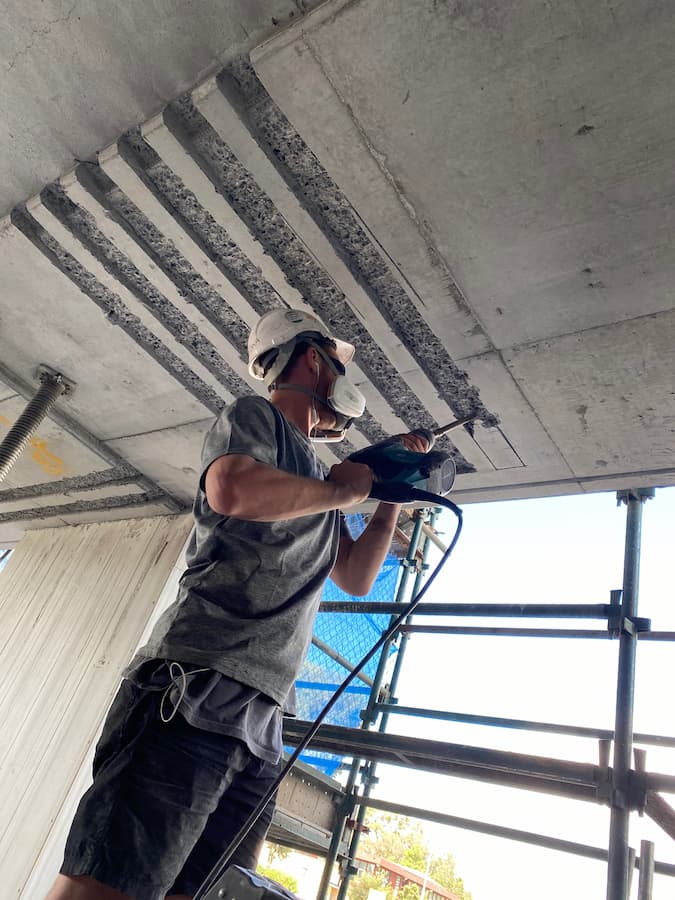
USES:
Sika® CarboDur® M suitably experienced and trained specialist contractors.
Sika® CarboDur® systems are used to improve, increase or repair the performance and resistance of structures for:
Increased Load Carrying Capacity:
- Increasing the load capacity of floor slabs, beams and bridge sections
- For the installation of heavier machinery
- To stabilise vibrating structures
- For changes in building use
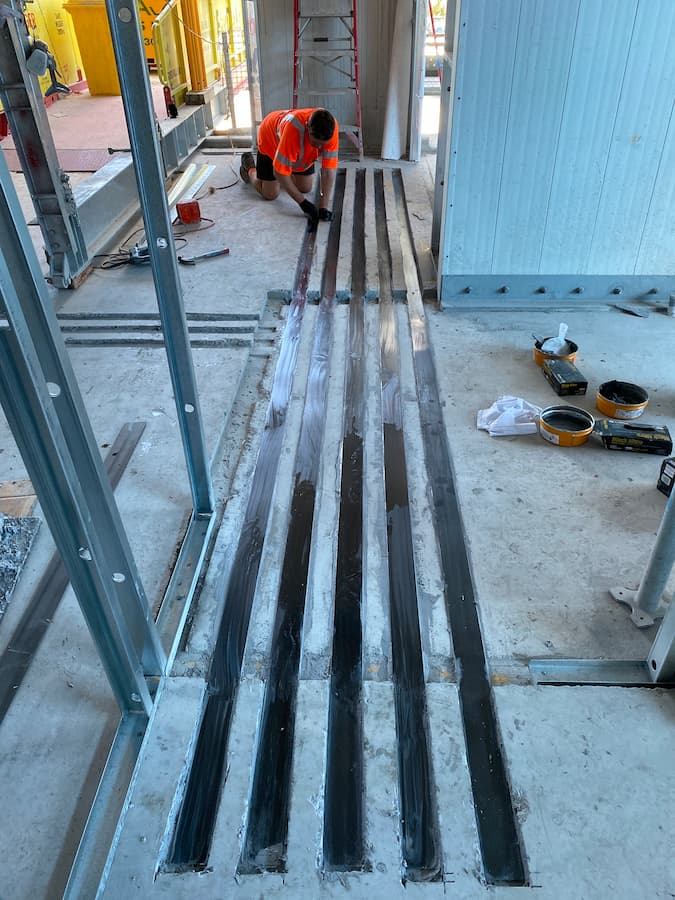
Damage to structural elements due to:
- Deterioration of the original construction materials
- Steel reinforcement corrosion
- Accidents (Vehicle impact, earthquakes, fire)
Improvement of serviceability and durability:
- Reduced deflection and crack width
- Stress reduction in the steel reinforcement
- Improved fatigue resistance
Change of the structural system:
- Removal of walls and/or columns
- Removal of floor and wall sections to create access / openings
Resistance to possible events:
- Increased resistance to earthquakes, impact or explosion etc.
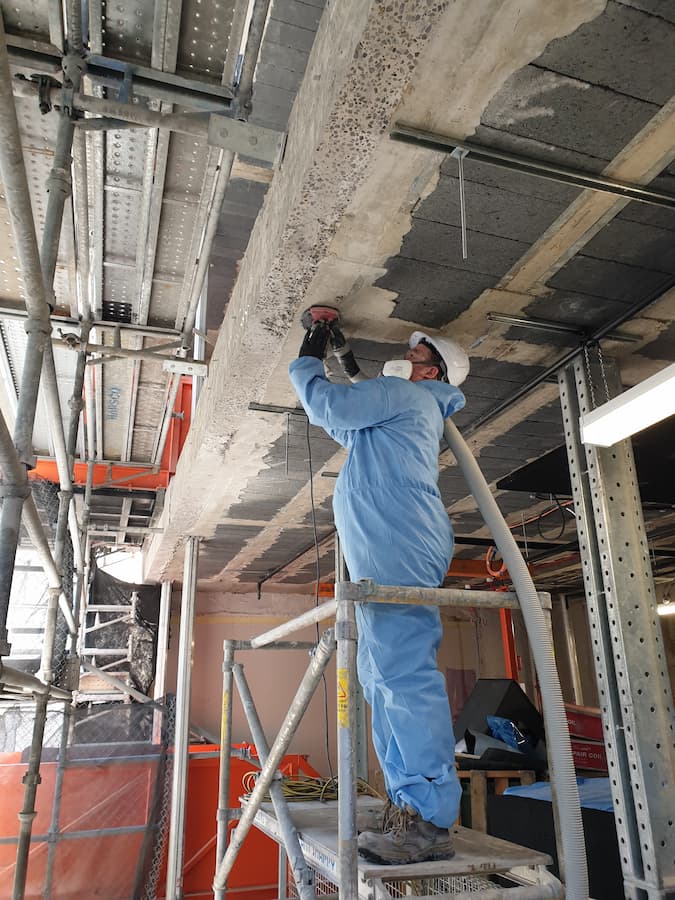
To repair design or construction defects such as:
- Insufficient / inadequate reinforcement
- Insufficient / inadequate structural depth
CHARACTERISTICS / ADVANTAGES
▪ Combination of very high strength and high stiffness
▪ Non-corroding
▪ Excellent durability and fatigue resistance
▪ Unlimited lengths, no joints required Low system thickness, simple execution of plate intersections or crossings
▪ Easy transportation (rolls) Lightweight, very easy to install, especially overhead (without temporary support)
▪ Minimum preparation of plate, applicable in several layers
▪ Smooth edges without exposed fibres as result of production by pultrusion
▪ Extensive testing and approvals available from many countries worldwide
Call FCS Concrete Repairs for all your structural strengthening requirements.
The post What is Carbon Fibre Structural Strengthening? appeared first on FCS Concrete Repairs.
]]>The post What Is Elastomeric Concrete? appeared first on FCS Concrete Repairs.
]]>The properties which are most important for these materials are flexibility, elasticity, and bond strength.
Flexibility and elasticity allow the material to absorb shock caused by traffic impacting on the extrusions.
Bond strength to the adjacent surface is critical in all conditions, both wet and dry.
Obtaining adequate flexibility and bond strength together in one material is difficult but has been achieved with this material.
The key characteristics
Elastomeric Concrete provides a flexible patch with excellent adhesion that will deflect as surrounding concrete expands and contracts and can resist heavy pressure before deflecting. The critical point is that Elastomeric Concrete allows itself to return to its original state after deflection.
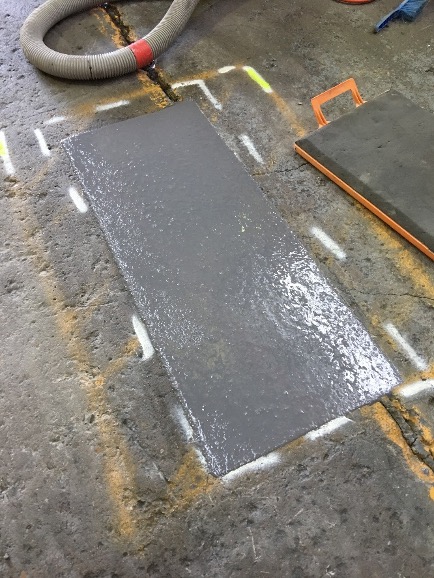
FCS Concrete Repairs has successfully used Elastomeric Concrete for repairing and patching concrete floors. This includes patching across expansion joints without the need for expensive joint reconstruction or major concrete removal.
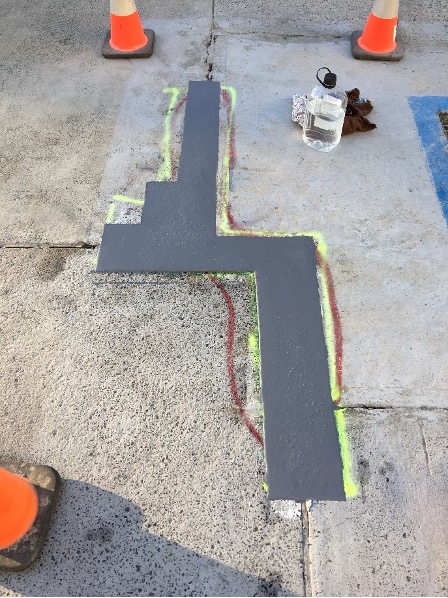
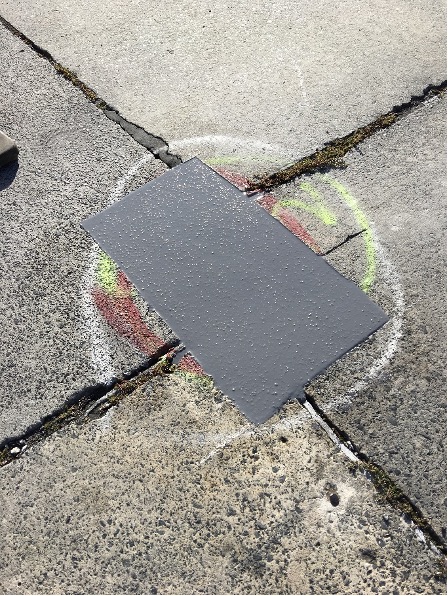
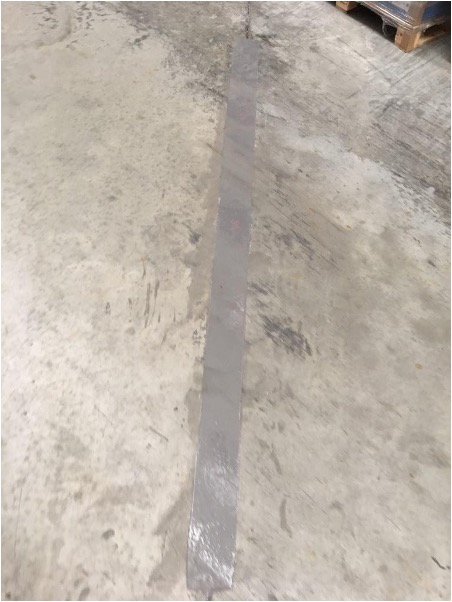
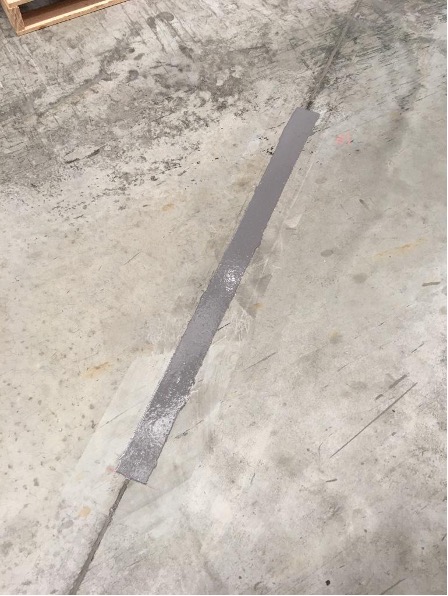
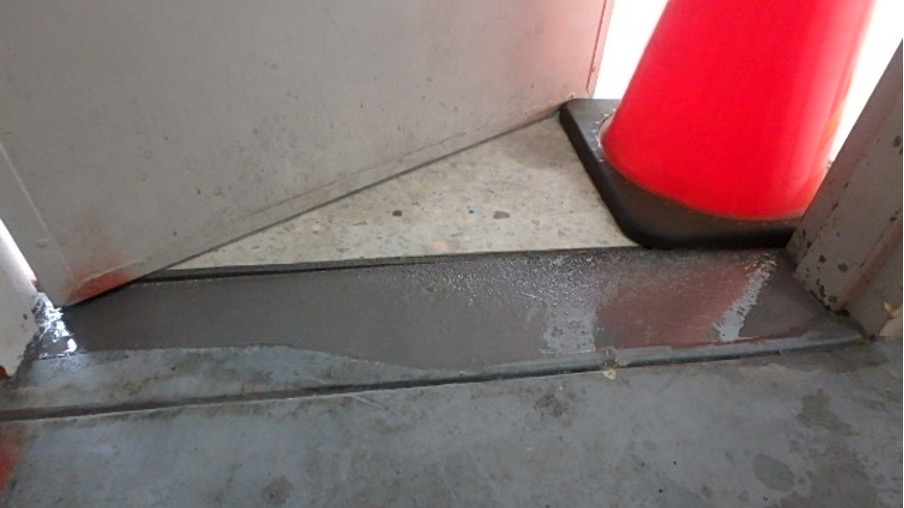
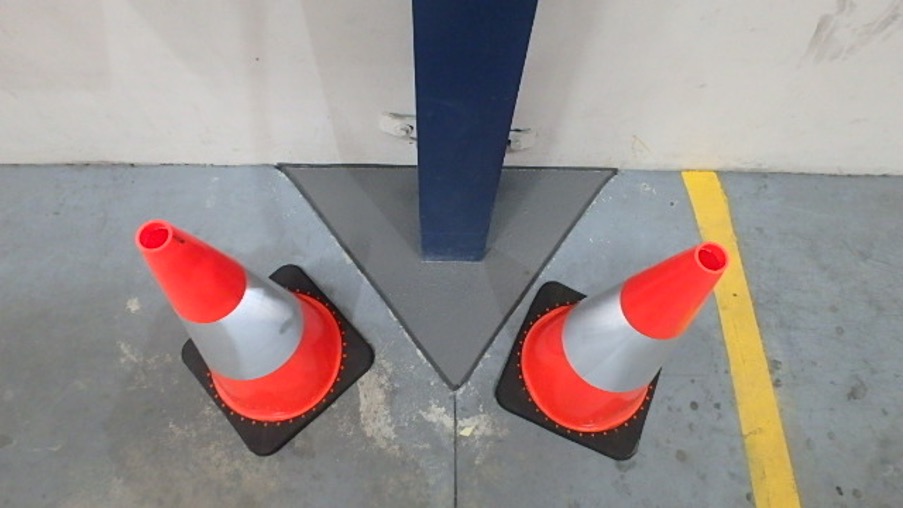
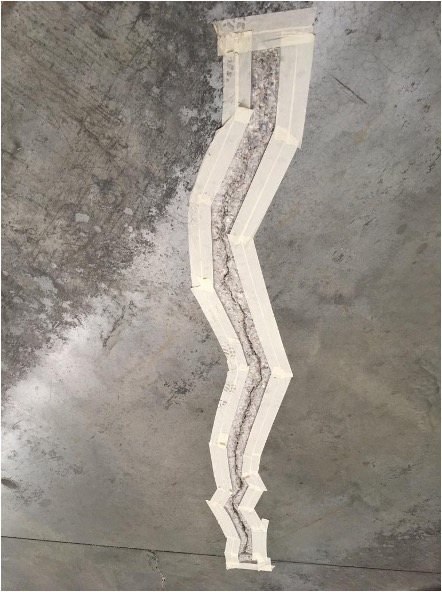
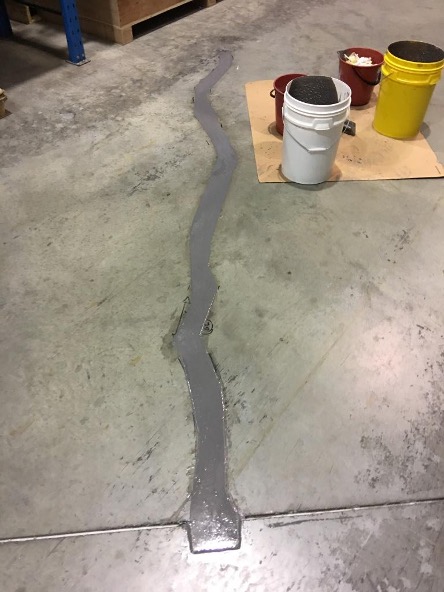
The following project photos illustrate the advantages of Elastomeric Concrete patching material:
A Patch Across an expansion joint
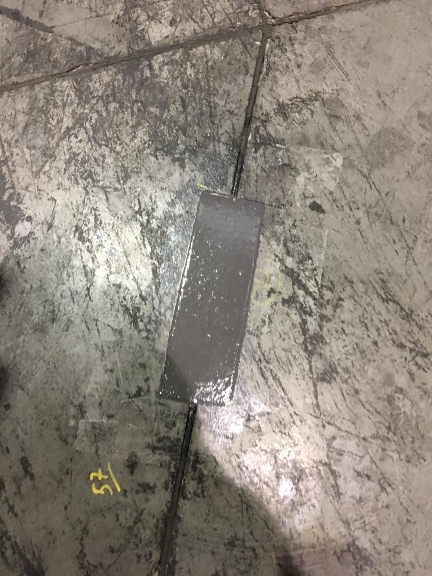
A Patch at the intersection of several expansion joints
A Patch along an expansion joint
A Patch at an entry threshold
A Patch at a column base
A Patch along an irregular crack
The post What Is Elastomeric Concrete? appeared first on FCS Concrete Repairs.
]]>The post The Strength of the Surface of the Concrete Substrate and of the Adhesive are Critical Factors in the Use of Carbon Fibre Reinforced Polymers appeared first on FCS Concrete Repairs.
]]>When CFRP is used externally to strengthen concrete elements in a buildings, bridges etc the bond between the CFRP and the concrete substrate is critical.
The strength of the adhesive and the degree of stress at the interface determine whether the CFRP delaminates and failure occurs. The shear strength capacity of the substrate material is therefore a major parameter of the interface region behaviour.
In testing, the failure surface was located at the top of the substrate concrete just below the bond adhesive whereas the bond product itself provided the highest pull-off strength values. (International Journal of Adhesion and Adhesives 6 January 2005)
The concrete substrate therefore must be pull-off tested to ensure that shear-tension failure of the concrete cover is not a factor and the recommended high strength adhesive must be used.
- Surface preparation by sand or water blasting to expose course and fine aggregate surfaces.
- Bond pull-off tests of the concrete substrate.
- Measure the levelness of the prepared surface with a straight edge.
- Levelling mortar should be used if necessary.
- The following high strength structural adhesive is recommended by Sika for their product, Sika®CarboDur®reinforcement:
Sikadur®30 epoxy resin is used to bond the CFRP to the concrete substrate and has a high early strength and a high tensile and flexural strength.
IMPORTANTLY surface preparation, levelling of the substrate and the quality of workmanship are critical elements in the application of CFRP structural strengthening.
The post The Strength of the Surface of the Concrete Substrate and of the Adhesive are Critical Factors in the Use of Carbon Fibre Reinforced Polymers appeared first on FCS Concrete Repairs.
]]>The post Use of Carbon Fibre Reinforced Polymer for structural strengthening is a “game changer” appeared first on FCS Concrete Repairs.
]]>Metal elements can also be strengthened in any load-bearing structure.
FCS Concrete Repairs uses Sika Structural Strengthening Systems for their proven performance and durability.
Carbon Fibre strengthening can successfully extend the functional service life of a building or civil engineering structure and accommodate loading changes when function changes impose increasing demands on the structure.
FCS Concrete Repairs are experts in the use of Carbon Fibre Reinforced Polymers and can provide advice and the expertise required to successfully provide solutions.FCS Concrete Repairs recently successfully strengthened the following structures.
FCS Carbon Fibre Strengthening Projects
Project: Apartment at 30 Glen St Milsons Point
Slab strengthening and a new void cut-out was carried out in the following sequence:
- Install new Corbel CB1
- Install Carbon Fibre Reinforcement plates.
- Existing tendon truncation was carried out in accordance with Freyssinet’s method statement.
- Cut out existing slab as per Architect’s proposed dimension and position.
The Sika Carbodur was installed to the structural surface with Sikadur 30 resin in accordance with Sika Cardodur externally bonded reinforcement method statement prepared by Sika Service AG:
This strengthening process enabled the void to be cut out and even the post-tensioning tendons to be cut.
FCS Concrete Repairs skilled tradesmen contributed to a very successful outcome for the client.
The post Use of Carbon Fibre Reinforced Polymer for structural strengthening is a “game changer” appeared first on FCS Concrete Repairs.
]]>