The post Understanding and Resolving Brick Wall Cracks with Epoxy Crack Injection appeared first on FCS Concrete Repairs.
]]>Types of Cracks in Brick Walls:
- Vertical Cracks: These cracks commonly appear due to foundation settling or temperature fluctuations. They run vertically along the brickwork, indicating a need for immediate attention to prevent further damage.
- Horizontal Cracks: Often a sign of excessive pressure or structural movement, horizontal cracks can signify serious issues that require prompt intervention to maintain wall stability.
- Stair-Step Cracks: These diagonal cracks resemble a staircase pattern and can be attributed to shifting foundations or poor construction practices. Early detection and appropriate measures are crucial to prevent escalating problems.
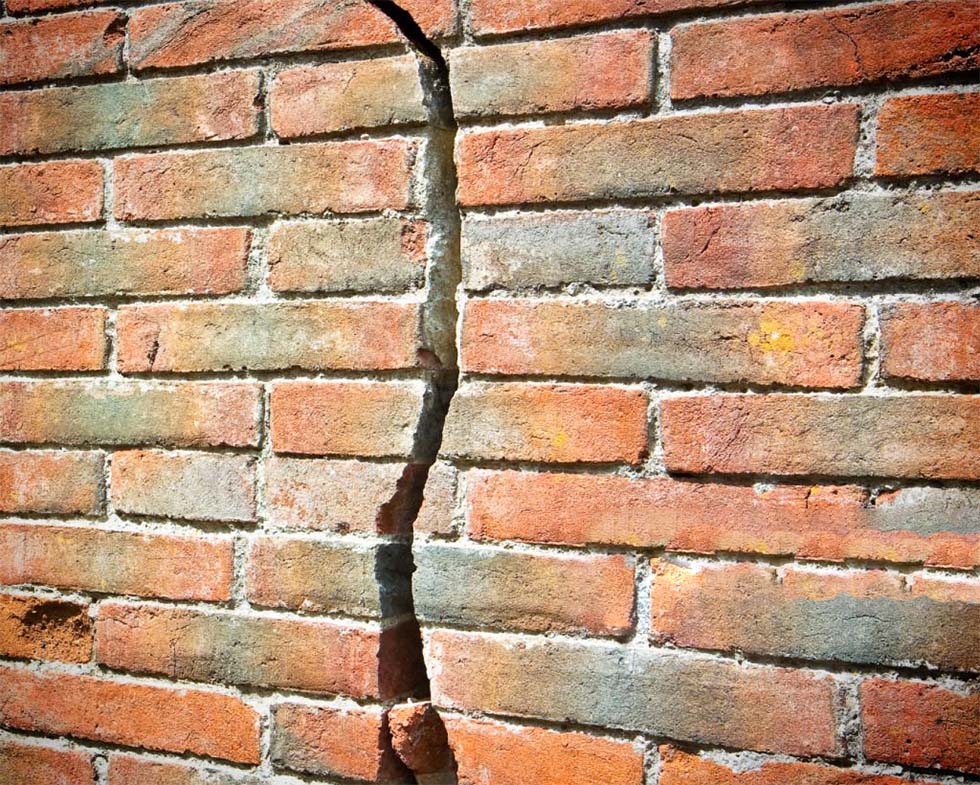
The Power of Epoxy Crack Injection:
Epoxy Crack Injection offers a groundbreaking approach to repairing brick wall cracks. Its superior bonding capabilities and exceptional strength make it an optimal choice for various crack types:
- Vertical Cracks: Epoxy’s low viscosity allows it to penetrate deep into narrow vertical cracks, effectively bonding the bricks and restoring structural integrity.
- Horizontal Cracks: Epoxy’s high tensile strength makes it perfect for reinforcing horizontal cracks, distributing stress evenly and preventing further widening.
- Stair-Step Cracks: The flexible properties of epoxy enable it to adapt to the dynamic movement of stair-step cracks, halting their progression and sealing out moisture.
Unrivaled Durability and Cost-Effectiveness:
Compared to traditional cementitious repairs, epoxy offers distinct advantages:
- Durability: Epoxy’s remarkable bonding capacity ensures that repaired areas regain their original strength, withstand structural stress, and resist future cracking, providing long-lasting results.
- Cost-Effectiveness: While initial epoxy application costs may be slightly higher than cementitious products, its longevity and minimal maintenance requirements translate into significant savings over time, making it a cost-effective solution in the long run.
Epoxy vs. Cementitious Repair: A Brief Comparison:
Cementitious repairs have been a conventional choice, but they fall short in several aspects:
- Bonding: Epoxy’s superior bonding capabilities outshine cementitious products, leading to more robust and lasting repairs.
- Flexibility: Epoxy’s flexibility allows it to move with the structure, accommodating slight shifts and movements that can cause cracks.
Aesthetics: Epoxy’s transparent finish ensures an inconspicuous repair, blending seamlessly with the existing brickwork, while cementitious repairs can be visually noticeable.
When to Worry about Cracks in Major Construction Sites:
Major construction sites that extensively use brickwork demand vigilant monitoring of cracks. If these cracks compromise the structural integrity, safety, or aesthetic appeal of the building, immediate action is paramount. Epoxy Crack Injection is particularly advantageous in large-scale projects, as its rapid application and minimal disruption allow for timely repairs without halting construction progress.
In conclusion, Epoxy Crack Injection emerges as the premier solution for repairing different types of cracks in brick walls. Its remarkable bonding capabilities, durability, and cost-effectiveness surpass traditional cementitious repairs. When confronted with cracks in major construction sites, the integration of epoxy ensures efficient, enduring, and visually appealing solutions. Don’t let brick wall cracks undermine your structure—embrace the power of Epoxy Crack Injection for long-lasting, reliable repairs that stand the test of time.
The post Understanding and Resolving Brick Wall Cracks with Epoxy Crack Injection appeared first on FCS Concrete Repairs.
]]>The post Epoxy Crack Injection vs Polyurethane Crack Injection appeared first on FCS Concrete Repairs.
]]>What is Epoxy Crack Injection?
Cracks in concrete structures are a common problem, and if left untreated, they can cause serious damage. Fortunately, there are different types of crack injection methods available, including polyurethane and epoxy crack injection. In this blog post, we will discuss the differences between these two methods:
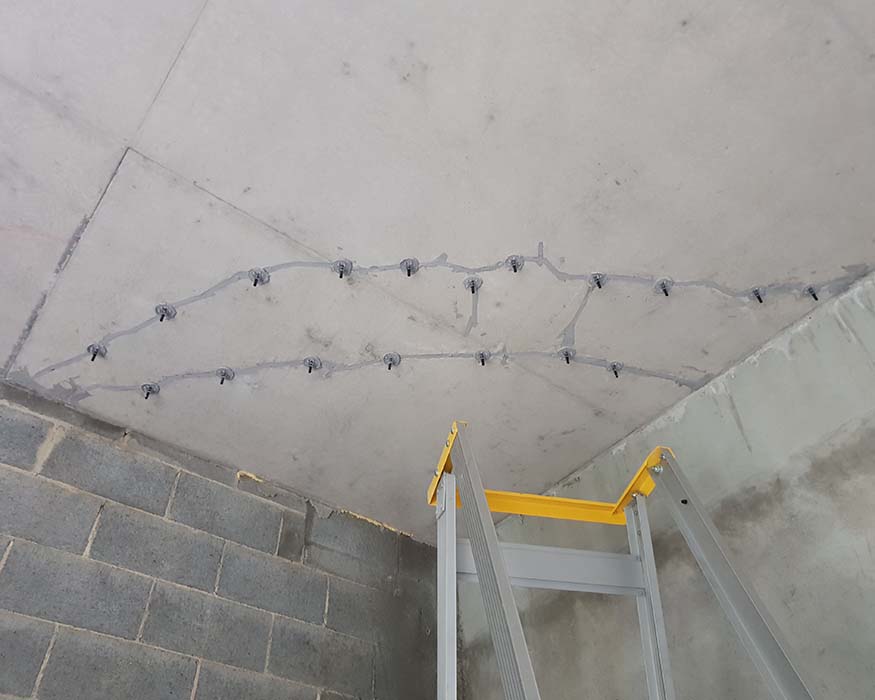
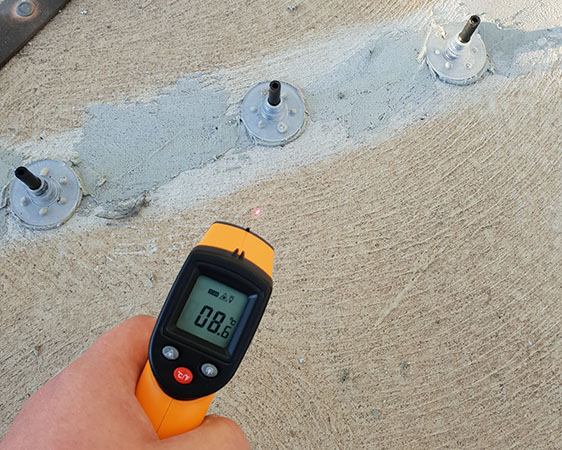
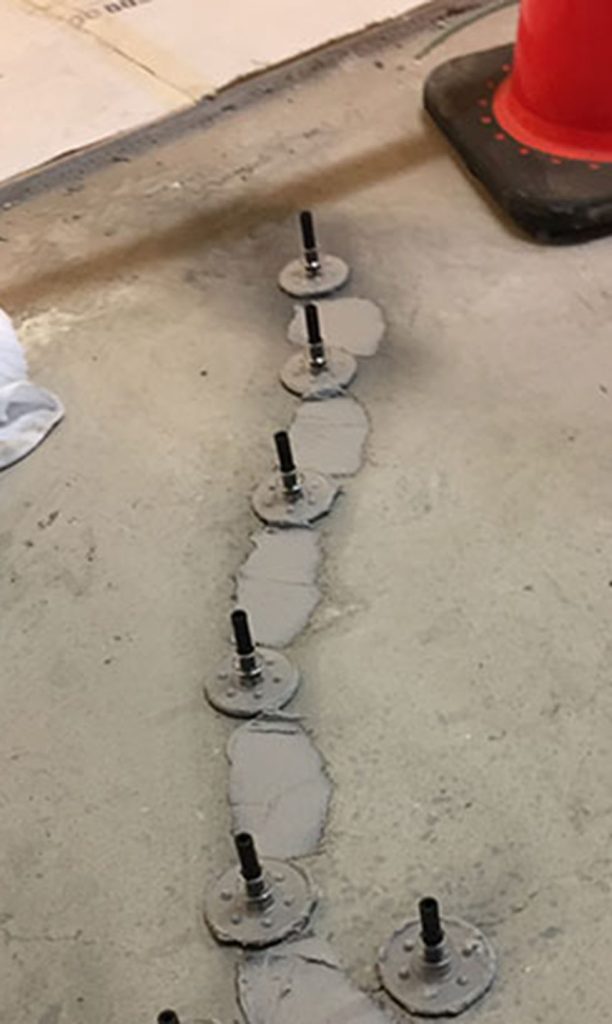
Epoxy crack injection involves injecting an epoxy resin into a crack in the concrete. The resin fills the crack and hardens to create a strong bond. This method is typically used for larger cracks and for cracks that are not actively leaking water.
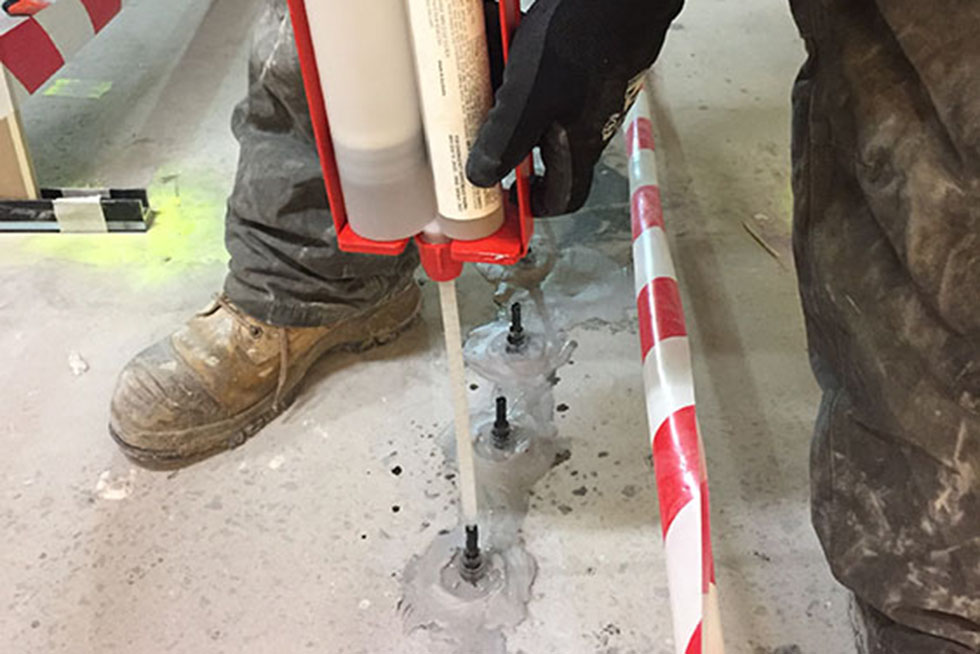
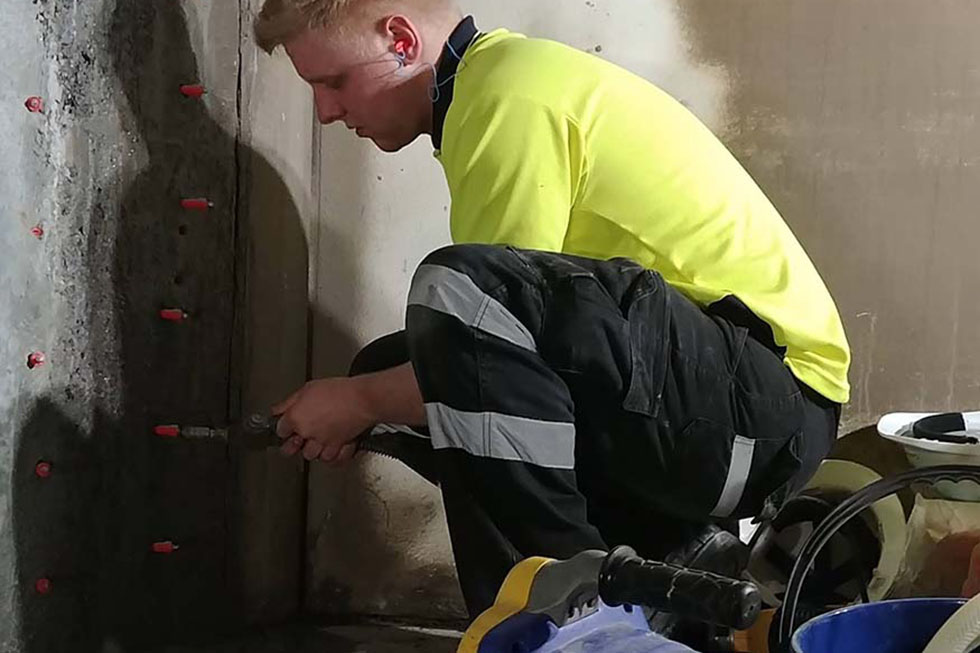
What is Polyurethane Crack Injection?
Polyurethane crack injection involves injecting a liquid polyurethane resin into a crack in the concrete. The resin then expands to fill the crack and create a seal. This method is typically used for small cracks and for cracks that are actively leaking water.
What are They Used For?
Both polyurethane and epoxy crack injection methods are used to repair cracks in concrete structures. They are used to remediate concrete cracking and prevent further damage and/or water ingress.
Characteristics of Epoxy versus Polyurethane Crack Injection
Epoxy Provides a Stronger and More Durable Repair.
Epoxy is a much stronger and more durable material than polyurethane but is not flexible and does not expand with movement in the structure as does polyurethane. Epoxy forms a hard, rigid bond with the concrete, whereas polyurethane is a flexible material.
Where there is movement in the cracks Polyurethane may be the better choice due to its flexibility and ability to expand.
Epoxy Injection Performed at Low Injection Pressures
Epoxy crack injections are typically performed at lower injection pressures (20-200 psi) and with surface mounted ports. Polyurethane crack injection is often performed at higher pressures to move the expanding foam through the cracks with special injection pumps and packers installed into drilled holes. The injected polyurethane is supposed to fill the crack through the entire thickness of the structure thereby preventing water from entering the crack.
Better for Structural Repairs
Epoxy crack injection is the preferred method for structural repairs because epoxy is a rigid material, it can be used to repair cracks in load-bearing concrete structures, such as foundations, walls, and beams. The tensile strength and compression strength of cured epoxy is typically much greater than the strength of concrete making epoxy a good choice for structural crack repair.
Polyurethane, on the other hand, is not strong enough to be used in structural repairs.
Better Adhesion to Concrete
Epoxy has better adhesion to concrete than polyurethane.When injected into a crack, epoxy forms a strong bond with the concrete, creating a seamless repair.
Epoxy Requires Dry Conditions
Epoxy typically has reduced adhesion to wet and saturated surfaces. Dry conditions are required.
Polyurethane injection foams and resins can be used in adverse conditions in wet and dry applications regardless of the condition of the crack. The crack can narrow or wide, and actively leaking. Polyurethane injection foam is primarily a water activated sealant or leak-seal grout with expanding properties during reaction with moisture. The cured product creates a compression seal of varying flexibility.
Water Stop and Structure Preservation
Epoxy cannot be used for actively leaking cracks. Epoxy resin needs to be contained in a crack until cured sufficiently to achieve full strength.
The rapid curing of polyurethane and the chemical expansion of the polyurethane foam (typically 2-40 times its original volume) makes polyurethane very effective at filling voids within the concrete which is beneficial when stopping a gushing leak.
Resistant to Chemicals and Moisture
Epoxy is more resistant to chemicals and moisture than polyurethane. This makes it a better choice for repairs in areas that are exposed to harsh chemicals or moisture, such as parking garages, industrial facilities, and basements.
Better Aesthetic Results
Epoxy crack injection provides a smoother and more seamless repair than polyurethane. Because epoxy hardens to a rigid finish, it can be sanded and painted to match the surrounding concrete, providing a more aesthetically pleasing result.
Conclusion
The choice between Epoxy and Polyurethane depends on the moisture conditions and the structural requirements of the repair. At FCS Concrete, we understand the importance of choosing the right crack injection method for your concrete repairs, that’s why we offer the best advice and best concrete repair services in Sydney. Our team of experienced professionals will assess your concrete structure, determine the best course of action, and provide a high-quality repair that will restore the structural integrity of your building.
Don’t wait until it’s too late. Cracks in concrete structures can cause serious damage if left untreated. Contact FCS Concrete today to schedule an inspection and learn more about our crack injection services.
The post Epoxy Crack Injection vs Polyurethane Crack Injection appeared first on FCS Concrete Repairs.
]]>The post Water leakage in concrete slabs appeared first on FCS Concrete Repairs.
]]>How to find and repair water leakage in concrete slabs?
If you are a homeowner or business owner in Sydney, Australia, you may be familiar with concrete slabs, as they are a popular choice for construction projects. While concrete slabs are durable and long-lasting, they are not immune to wear and tear over time. One of the most common problems that can occur with concrete slabs is water leakage, which can be a major headache to deal with. In this article, we will discuss how to identify water leakage in concrete slabs, the causes of the problem, and how to fix it.
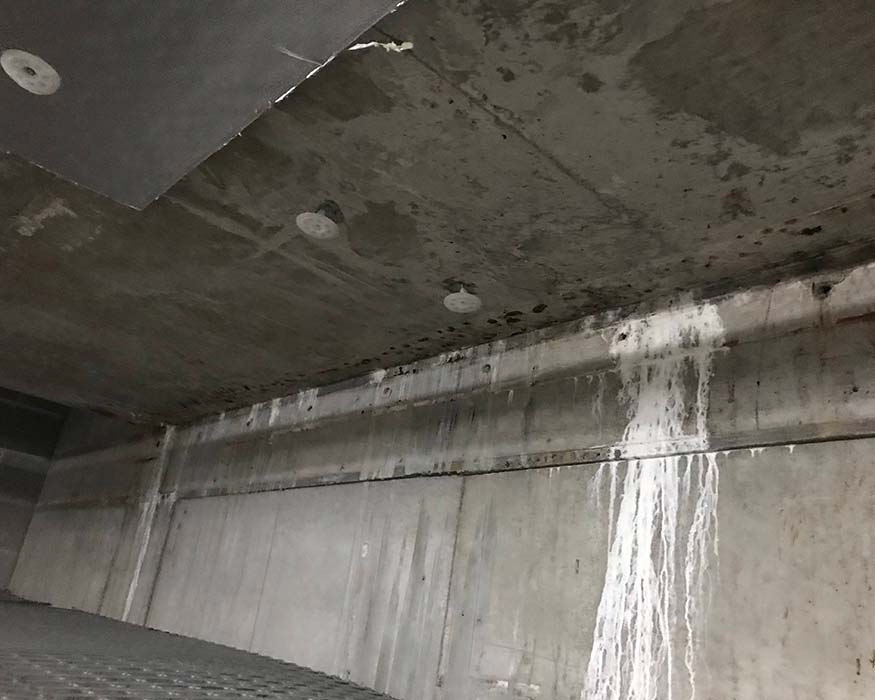
Identifying the problem:
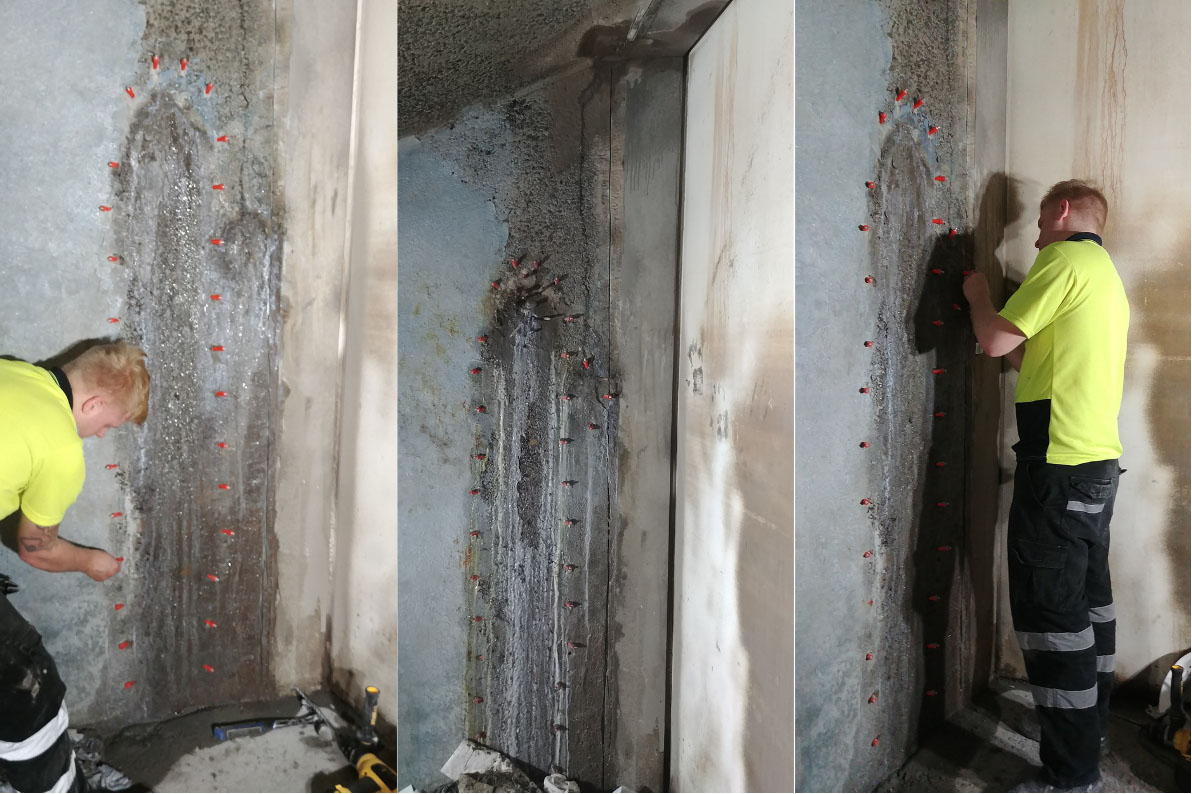
One of the most common ways to identify water leakage in a concrete slab is to look for damp spots or water stains on the surface of the slab. Another indicator of water leakage is the presence of a musty, odour or mould growth, which can be a sign that there is excess moisture in the area. If you notice any of these signs, it is important to address the problem as soon as possible to prevent further damage.
Causes of the problem:
Water leakage in concrete slabs can be caused by a variety of factors, including poor installation, inadequate waterproofing, and natural wear and tear over time. Poor installation can lead to gaps or cracks in the concrete, which can allow water to seep through. Inadequate waterproofing can also be a factor, particularly if the concrete is exposed to the elements or is in an area with high humidity levels. Over time, the concrete may also develop cracks or fissures, which can allow water to penetrate the surface.

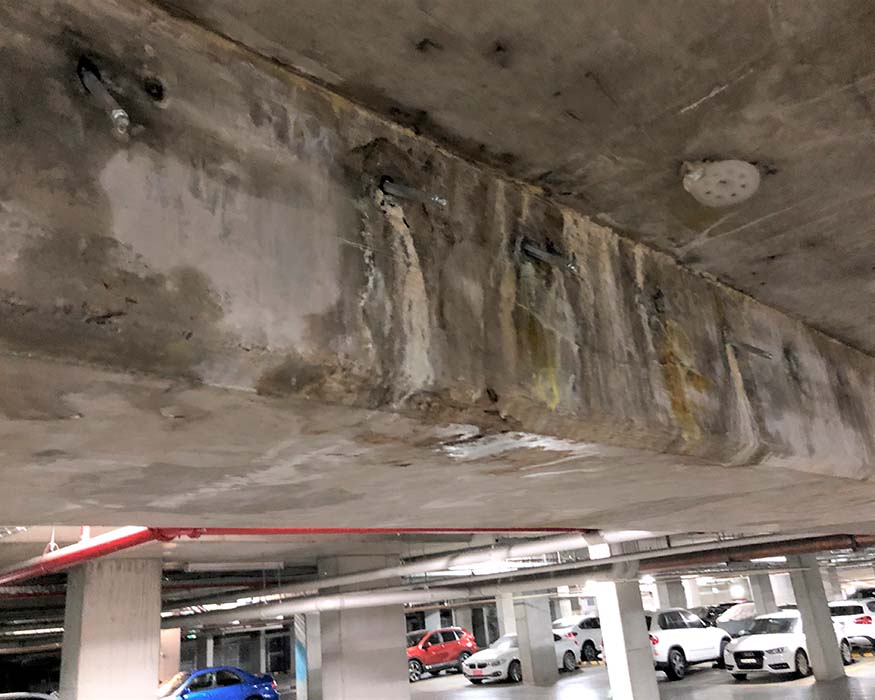
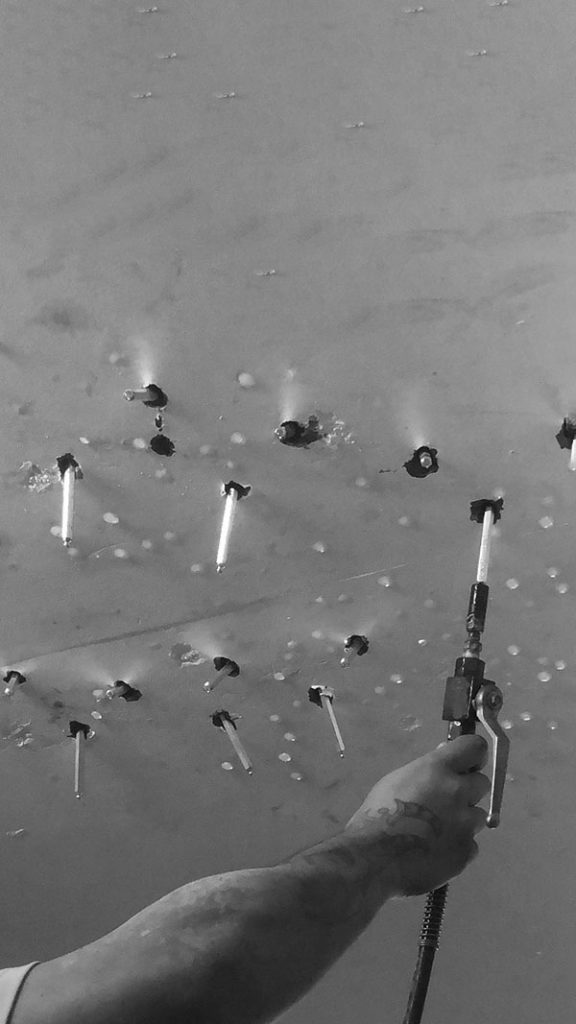
How to fix it:
At FCS Concrete, we specialize in finding and repairing water leakage in concrete slabs. Our team of experienced professionals has the knowledge and tools necessary to locate leaks quickly and efficiently, so we can get to work on repairing them as soon as possible. We use the latest technology, to accurately pinpoint the location of the leak.
Once we’ve located the leak, we’ll work with you to develop a plan for repairing it. Depending on the extent of the damage, we may need to remove a portion of the concrete slab and replace it with new material. In other cases, we may be able to repair the leak without having to remove any concrete at all. Our services include epoxy injection, which can help to seal any cracks or gaps in the concrete, as well as waterproofing solutions to help prevent future leaks.
What can happen if you don’t fix it:
If you don’t address water leakage in your concrete slab, it can lead to a variety of problems. First and foremost, excess moisture can weaken the concrete and make it more susceptible to damage over time. This can lead to more extensive repairs down the line, which can be costly and time-consuming. Additionally, excess moisture can create a breeding ground for mould and mildew, which can be harmful to your health and lead to respiratory issues. If you have any concerns about water leakage in your concrete slab, it is important to contact a professional as soon as possible to address the problem.
At FCS Concrete, we offer reliable and affordable services that are designed to get your concrete slab back to its original condition as quickly as possible. We understand the importance of addressing water leakage in a timely manner to prevent further damage, and we are committed to providing the highest quality services to our clients. Contact us today to schedule a consultation and learn more about how we can help you.
In conclusion, water leakage in concrete slabs can be a major problem, but it is important to address it as soon as possible to prevent further damage. If you notice any signs of water leakage in your concrete slab, it is important to contact a professional to address the problem. At FCS Concrete, we offer a range of services to help locate and repair water leakage in concrete slabs
The post Water leakage in concrete slabs appeared first on FCS Concrete Repairs.
]]>The post Potable Water Storage TanksEpoxy Crack Injection Sydney vs Polyurethane: Which is the Better Option?Potable Water Storage Tanks appeared first on FCS Concrete Repairs.
]]>Crack Injection for Concrete Repair: Comparing Epoxy and Polyurethane in Sydney, Australia
Concrete is an incredibly strong and durable material, but it is not invincible. Over time, concrete can crack and develop various structural problems that require immediate attention. One of the most effective solutions for repairing concrete cracks is through crack injection. This process involves injecting a specially formulated material into the crack to fill it and restore the concrete’s structural integrity.
When it comes to crack injection, two popular materials are epoxy and polyurethane. Both of these materials have their advantages and disadvantages, and choosing the right one depends on various factors. In this blog post, we will compare the two options and help you decide which one is the better option for your concrete repair needs in Sydney, Australia.
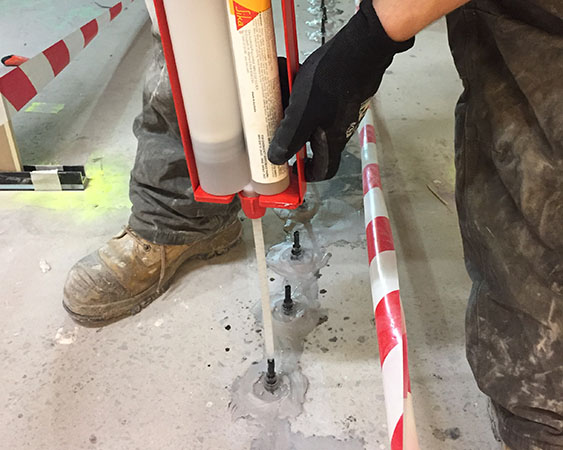
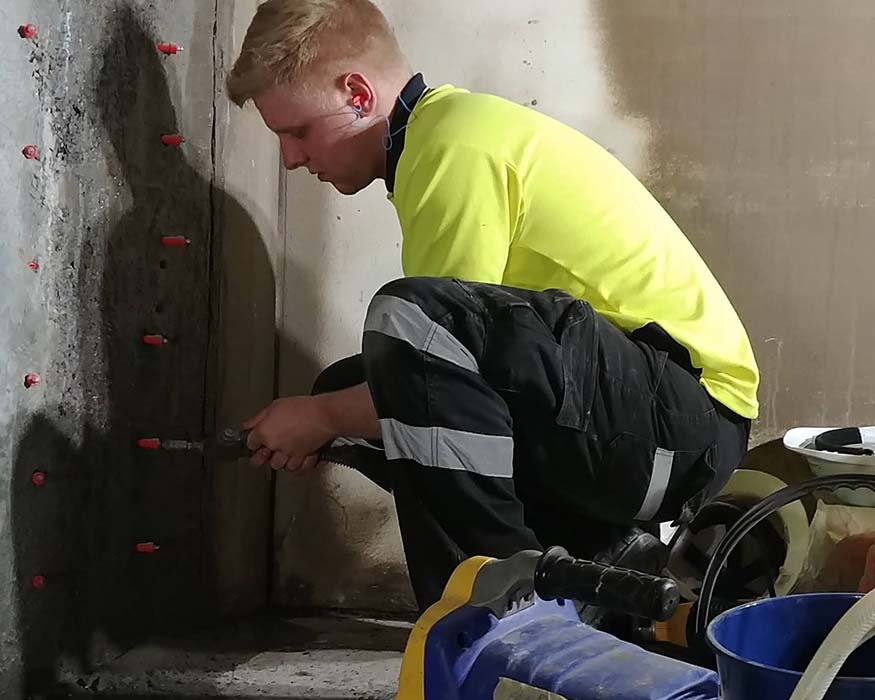
Epoxy Crack Injection
Epoxy crack injection is a process that involves injecting a two-part epoxy resin into the crack to fill it and restore the concrete’s strength. The two parts of the epoxy resin are mixed together before being injected into the crack using a low-pressure injection system. The epoxy resin then cures and hardens, filling the crack and creating a strong bond with the surrounding concrete.
One of the biggest advantages of epoxy crack injection is its strength. Epoxy is an incredibly strong material that can withstand heavy loads and resist cracking, making it an ideal choice for high-stress areas. Additionally, epoxy is highly adhesive, which means it forms a strong bond with the surrounding concrete, preventing the crack from re-opening over time.
Epoxy crack injection is also very versatile and can be used to repair a wide range of concrete cracks, including both structural and non-structural cracks. Epoxy can also be used to fill cracks in both horizontal and vertical surfaces, making it a popular choice for concrete repairs in Sydney.
Polyurethane Crack Injection
Polyurethane crack injection is another popular option for repairing concrete cracks. Like epoxy, polyurethane is injected into the crack to fill it and restore the concrete’s strength. However, the process of injecting polyurethane is slightly different. Instead of using a two-part mixture, polyurethane is a single-component material that reacts with water to expand and fill the crack.
One of the biggest advantages of polyurethane is its flexibility. Polyurethane is a highly flexible material that can withstand movement and expansion in the concrete, making it an ideal choice for repairing cracks that are still active or likely to move over time. Additionally, polyurethane is very resistant to water and can be used to seal cracks in areas that are exposed to moisture or leaks, such as basements or swimming pools.
Another advantage of polyurethane is its ease of use. Polyurethane can be injected at a higher pressure than epoxy, which means it can fill the crack and any voids more quickly and effectively. Additionally, polyurethane is a self-leveling material, which means it can flow into tight spaces and create a complete seal without the need for additional tools or equipment.
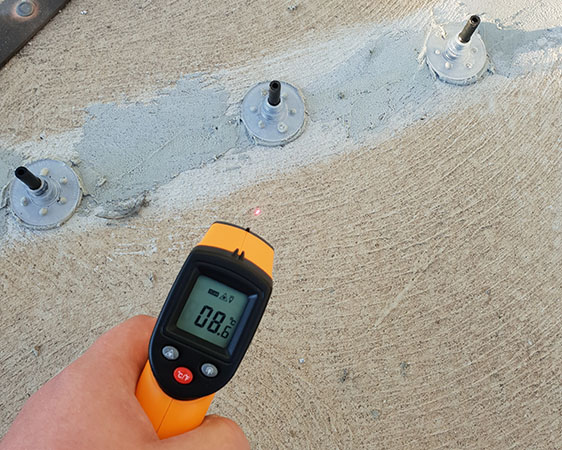
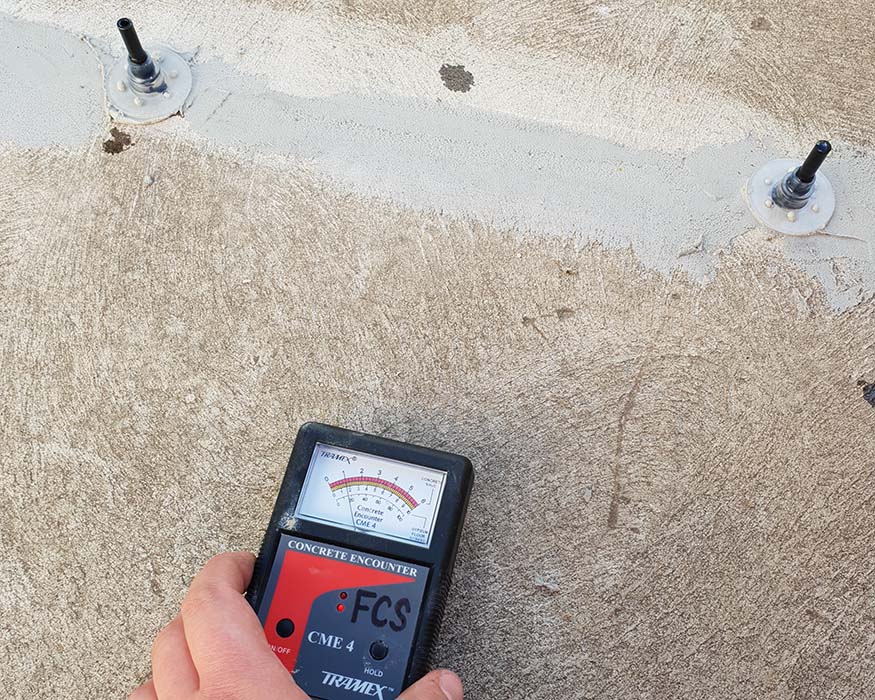
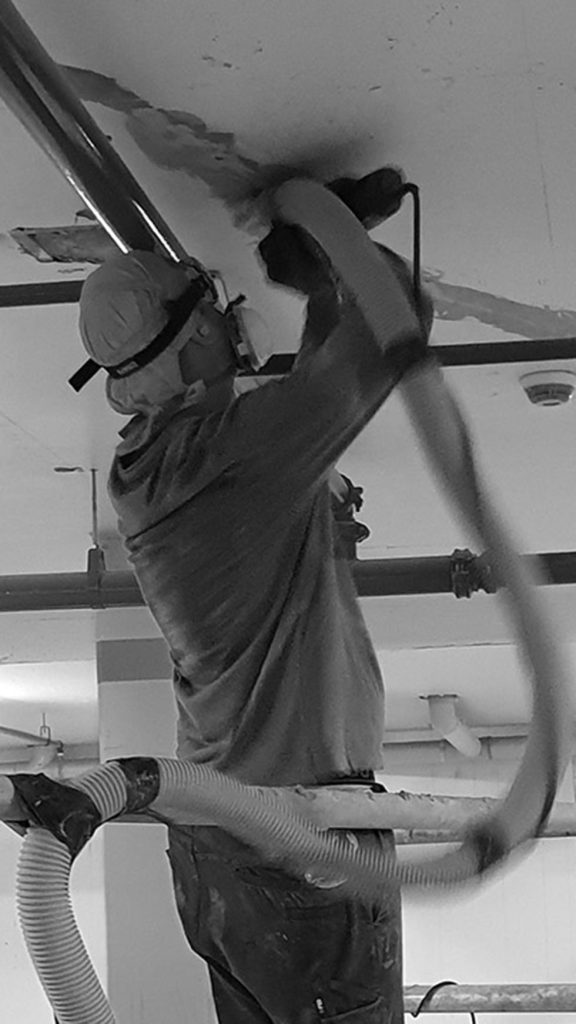
Which is the Better Option?
Choosing between epoxy and polyurethane depends on various factors, including the type of crack, the location of the crack, and the desired outcome of the repair. In general, epoxy is a better option for structural cracks that require maximum strength and durability. Epoxy can also be used to repair cracks in areas that are exposed to heavy loads, such as driveways or industrial floors.
On the other hand, polyurethane is a better option for non-structural cracks that require flexibility and movement. Polyurethane can also be used to seal cracks in areas that are exposed to moisture or other environmental factors, such as basements or swimming pools.
If you’re unsure which repair method is the best option for your concrete crack repair needs in Sydney, don’t hesitate to contact us at FCS Concrete. Our experienced team can help assess the type and location of your concrete crack, and recommend the best repair method to ensure a long-lasting and effective repair. Contact us today to learn more about how we can help you with your concrete repairs in Sydney.
The post Potable Water Storage TanksEpoxy Crack Injection Sydney vs Polyurethane: Which is the Better Option?Potable Water Storage Tanks appeared first on FCS Concrete Repairs.
]]>The post Concrete Crack Injection appeared first on FCS Concrete Repairs.
]]>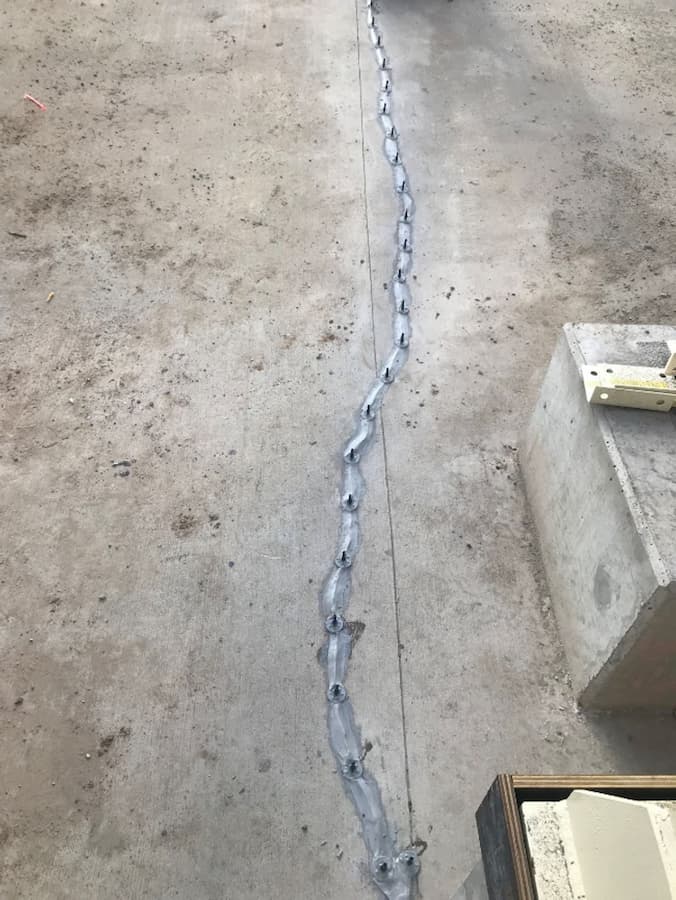
Early treatment will prevent this process from taking place and enable the injection of epoxy resins or polymers into the cracks. Once the process of corrosion is allowed to occur then a costly repair is necessary and the steel reinforcement needs to be treated or replaced to prevent failure of the structure due to a recurrence of the corrosion process or the need for further expensive repairs.
THE CRACK INJECTION PROCESS
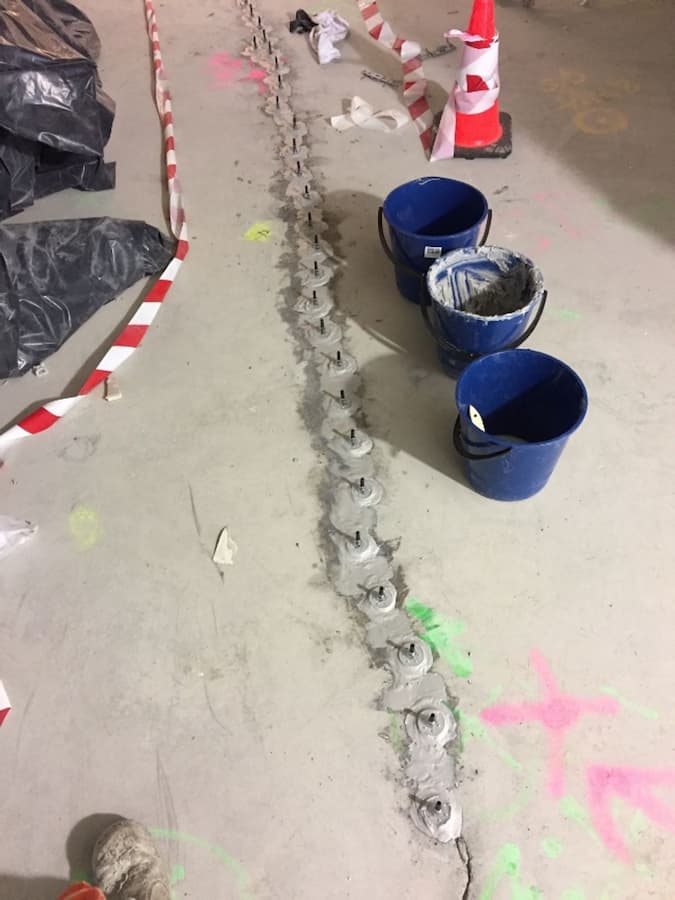
The surface of the concrete is first cleaned along the crack. Loose material and contaminants are removed. The crack is the cleaned out to remove any material so that the resin or polymer can flow freely into and along the crack.
Resin is then injected under pressure either into injection ports which have been place at intervals along the crack. Crack injection is a skilled task and should only be undertaken by experienced tradesmen.
Crack injection may be undertaken using a pump to apply pressure or using a hand pressure gun.
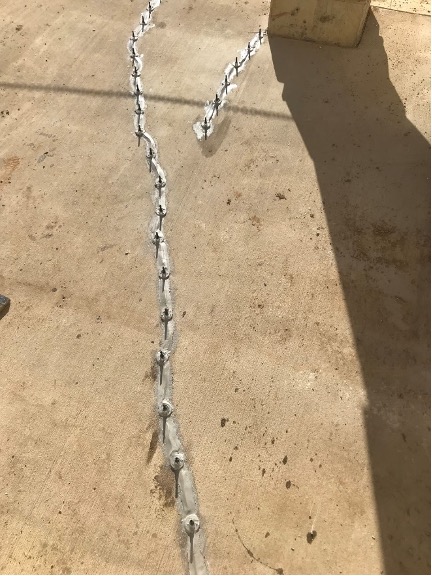
FCS Concrete Repairs are specialists in Crack Injection and Concrete Repair. There are a variety of repair processes and materials available and FCS Concrete Repairs are experienced in selecting the appropriate process and the specialist material required to carryout an effective repair.
The post Concrete Crack Injection appeared first on FCS Concrete Repairs.
]]>The post A Truism: Modern Concrete Cracks and Concrete Leaks! appeared first on FCS Concrete Repairs.
]]>Concrete that can crack!
Concrete that has cracked!
Concrete that can leak!
Concrete that has leaked!
Truism: This observation is obviously true and says nothing new or even interesting about concrete but if you have a problem and need a solution then:
TALK TO THE DIRECTORS AT FCS CONCRETE REPAIRS.
When does concrete crack and leak?
Shrinkage cracks may occur when water evaporates from the concrete soon after it is layed during the drying process. (that is, the curing process) Hot weather can cause rapid evaporation if curing compound is not properly used to slow the evaporation and cold weather can slow the evaporation process. Fine cracks give the opportunity for water to penetrate the concrete and cause the steel reinforcement to rust and concrete degradation.
Structural cracks when the concrete structure is over-loaded or subject to design flaws will allow water to penetrate the concrete and cause the steel reinforcement to rust leading to concrete degradation.
Concrete cancer cracking when water penetrates into the concrete and causes the internal steel reinforcement to corrode, expand and cracks form from within allowing water to leak through the concrete element.
Concrete cracking when the sub-base is inadequate or a washout occurs allowing water to flow under and through the concrete element.
Soil movement below the sub-base due to natural movement or the expansion and contraction of the underlying clay earth in times of heavy rain or drought allowing water to flow below and washout the concrete element.
Cracking due to freezing conditions followed by thawing which may also cause expansion and contraction and allow water to leak through and below the concrete element.
Hot summers can cause cracking due to expansion of the concrete and allow the ingress of water.
Washouts behind retaining walls may also result in structural cracking and gushing leaks.
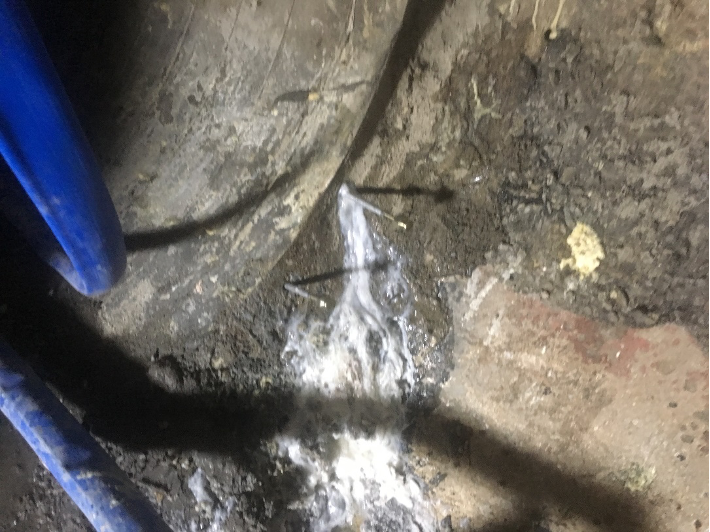
HEADLINE NEWS!
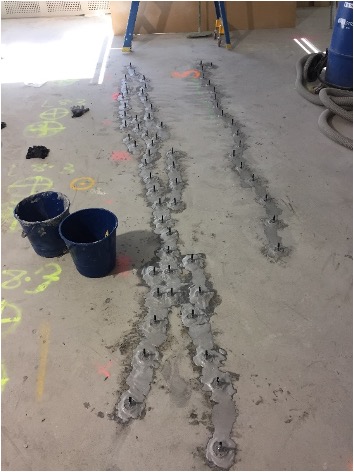
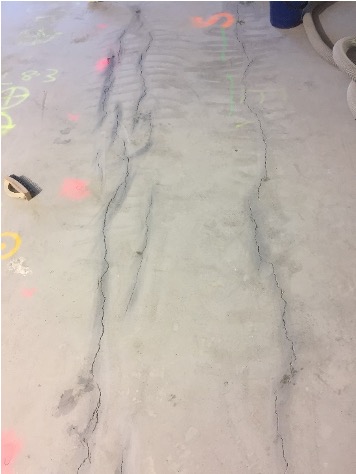
Fortunately, experienced Concrete Repair Contractors like, FCS Concrete Repairs, have the solutions. Experienced tradesmen, high-tech equipment and repair materials, and technical knowledge can combine to provide near permanent solutions to concrete cracking and leaking. Early intervention is also critical in enabling effective repair and cost effective solutions.
What can be done?
Badly damaged concrete can be replaced BUT this can be costly and involves:
- Investigation
- Demolition
- Removal
- Replacement
Modern crack injection methods can provide a cost effective alternative solution:
- Polyurethane injection
Single component hydrophobic foam can be injected to stop water infiltration and to stop high pressure flowing water and to fill voids behind the structure or joints or cracking in concrete.
Two component hydrophobic rapid setting foam can be injected. This foam is highly reactive, high strength and expands up to ten times when in contact with ground water.
- Polyurea Silicate
Two component low density foam to fill cavities provides structural strength and flexibility to stabilise strata.
- Acrylic
One component water based acrylic joint sealant and gap filler which has low adhesive and compressive strength, but high tear strength.
- Cementitious Grout
A combination of cement and water, plus admixes or additives to alter their properties. There are three main types – pure cement mixes (PCMs) composed of cement and water, admixed cement mixes (ACMs) composed of PCM and admixtures, and additive cement mixes (ADCMs) composed of ACM and additives.
- Epoxy injection
Two component, low viscosity, solvent free, moisture insensitive, structural epoxy injection resin used to seal cracks and cavities and forms an effective barrier against the infiltration of water and bonds concrete to restore structural integrity. Doesn’t bond as well to wet surfaces.
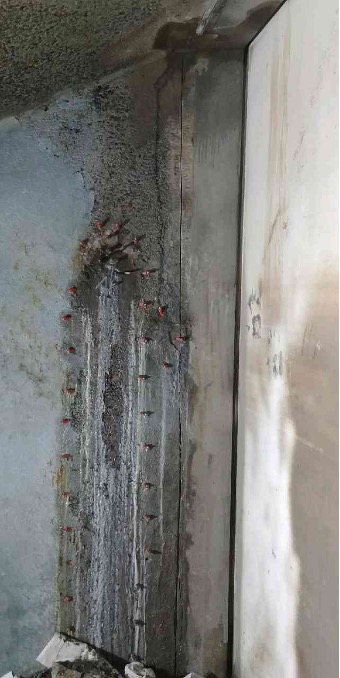
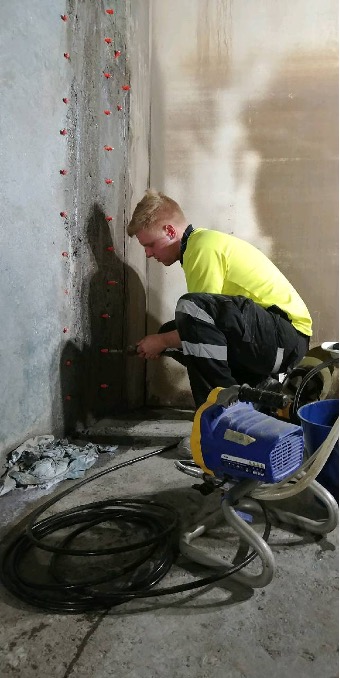
FCS Concrete Repairs has the expertise to investigate, test, diagnose and recommend on the most appropriate and cost effective solution to your concrete cracking and leaking problem.
The post A Truism: Modern Concrete Cracks and Concrete Leaks! appeared first on FCS Concrete Repairs.
]]>The post Warragamba Pipeline Support Base Slabs appeared first on FCS Concrete Repairs.
]]>Project: Warragamba Pipeline Support Base Slabs
Location: Orchard Hills NSW
Scope: Excavate, membrane, steelfixing and place & finish concrete to Pipeline Support Base Slab
The post Warragamba Pipeline Support Base Slabs appeared first on FCS Concrete Repairs.
]]>The post Water Storage Tank Crack Injection appeared first on FCS Concrete Repairs.
]]>Project: Water Storage Tank Crack Injection
Location: Bingara Gorge NSW
Scope: Tank floor repairs crack injection. Apply Nitomortar AP epoxy paste over the V cut then inject NItofill LV
The post Water Storage Tank Crack Injection appeared first on FCS Concrete Repairs.
]]>The post Quakers Hill Sewage Treatment Plant appeared first on FCS Concrete Repairs.
]]>Project: Quakers Hill Sewage Treatment Plant
Location: Quakers Hill NSW
Scope: Crack Injection & Epoxy Coating to Concrete Sump with HDPE
The post Quakers Hill Sewage Treatment Plant appeared first on FCS Concrete Repairs.
]]>