About this position
This position offers career opportunities with training to advance your knowledge in key areas of the business. Our Company are approved applicators for the major supply companies in our Industry.
You must be young and enthusiastic about learning, cooperative and a willing worker. You will receive on-the-job training from experienced Applicators and our Engineer so that over time you will have a good working knowledge of the skills required.
- preparation and application of epoxy coatings
- preparation and application of polyurethane coatings
- concrete crack injection
- concrete repair methods
- concrete cancer repair
- Polyurea coatings
- Carbon fibre structural strengthening
- Leak repairs
- Waterproofing
- Water and abrasive blasting
- Chemical grouting
- Repair of water and wastewater manholes & structures
And we’ll assist you to get the following tickets:
- White Card for General Construction Induction (an online test)
- Entry and Work in Confined Spaces Card (training is available)
- Work Safely at Heights Card (training is available)
Job Time
Full-Time
Experience
No experience is required. You just need to be fit and healthy.
Work Location
Sydney Region& project opportunities in New South Wales Regional areas.
Hours of Work
7am to 3.30pm, 8 hours per day, Monday to Friday, with overtime dependant on work requirements.
Requirements
Valid C class driver’s license
Additional info
Applications are also welcomed from Overseas residents subject to Australian Government Visa requirements which may allow a two year Temporary Visa for Skilled workers under certain conditions.
The post Trainee Concrete Repair & Protective Coatings Applicators appeared first on FCS Concrete Repairs.
]]>The post Concrete Repair & Protective Coatings Applicators appeared first on FCS Concrete Repairs.
]]>This position offers career opportunities with training to advance your knowledge in key areas of the business. Our Company are approved applicators for the major supply companies in our Industry.
You must be young and enthusiastic about learning, cooperative and a willing worker. You will receive on-the-job training from experienced Applicators and our Engineer so that over time you will have a good working knowledge of the skills required.
- preparation and application of epoxy coatings
- preparation and application of polyurethane coatings
- concrete crack injection
- concrete repair methods
- concrete cancer repair
- Polyurea coatings
- Carbon fibre structural strengthening
- Leak repairs
- Waterproofing
- Water and abrasive blasting
- Chemical grouting
- Repair of water and wastewater manholes & structures
And we’ll assist you to get the following tickets:
- White Card for General Construction Induction (an online test)
- Entry and Work in Confined Spaces Card (training is available)
- Work Safely at Heights Card (training is available)
Job Time
Full-Time
Experience
No experience is required. You just need to be fit and healthy.
Work Location
Sydney Region& project opportunities in New South Wales Regional areas.
Hours of Work
7am to 3.30pm, 8 hours per day, Monday to Friday, with overtime dependant on work requirements.
Requirements
Valid C class driver’s license
Additional info
Applications are also welcomed from Overseas residents subject to Australian Government Visa requirements which may allow a two year Temporary Visa for Skilled workers under certain conditions.
The post Concrete Repair & Protective Coatings Applicators appeared first on FCS Concrete Repairs.
]]>The post One of the Greatest Buildings of the 20th Century in Sydney is Built on a special meeting place known to the Gadigal people of the Eora Nation for thousands of years as Tubowgule. appeared first on FCS Concrete Repairs.
]]>The unmistakable shape of the Sydney Opera House sails fit in with the building’s natural surroundings on Sydney Harbour. The design of the sails was a challenge until Architect Jorn Utzon delivered the “spherical solution” in the design of the sails where the ten roof sails were built from segments of the same sphere.
CONSERVATION OF THE STRUCTURE
A 2018 Report looked at three high priority areas for the development of the Conservation Management Plan thanks to a grant from the Getty Foundation:
ROOF SAILS
The most recognisable part of the Opera House building, the sails are fully exposed to the marine environment, and could be vulnerable to water ingress should there be any failure in the ceramic tile skin, or in the grouting inside the post-tensioning ducts of the ribs. Regular inspections of accessible areas indicate that the condition of the protective system is good, however the Opera House is searching for new non-destructive testing methodologies that will enable the condition of the inaccessible interior of the sail structures to be monitored.
ROOF PEDESTALS
These steel-reinforced concrete structures at the base of the roof sails are completely exposed to the natural elements and to human touch. There is a particular impact from rainwater runoff, which causes erosion and biological growth on the structures. Protective coatings have been trialled in the past, and all have been rejected due to either being ineffective, or having an unacceptable architectural impact.
UNDER THE BROADWALKS
The Broadwalks are built on steel-reinforced concrete piles, which stand in the Harbour. The Western Broadwalk is fitted with cathodic protection, while the Northern and Eastern Broadwalks are not. The project studied the condition of the concrete under the Northern Broadwalk.
Ref; Sydney Opera House, Concrete Conservation Project, Final Report Summary, August 2018
http://www.getty.edu/foundation/pdfs/kial_report.pdfm/sydney_fin
THE DESIGN LIFE
The design life of the Sydney Opera House structure is 250 to 300 years.
Under the Conservation Management Plan after more than 50 years exposed to a marine environment and the impacts of millions of visitors, some specific areas of risk in the concrete re being monitored through a robust preventative and corrective maintenance program. It is timely to undertake closer analysis of the condition of the steel-reinforced concrete in the structure to ensure its longevity.
2000 SYDNEY OLYMPICS
As Sydney prepared to host the 2000 Olympics, the Opera House kicked off an Olympic Arts Festival with ‘Tubowgule’. To the sound of didgeridoos and clapping sticks, dancers evoked the celebrations and ceremonies that had occurred on Bennelong Point for thousands of years.
OUR FIRST NATIONS PEOPLE
The Sydney Opera House celebrates the richness of our First Nations people and their culture through its First Nations Program.
THE FIRST PERFORMANCE
The first performance at the Sydney Opera House was in 1960 when Paul Robeson climbed the scaffolding and sang Ol’ Man River to the construction workers as they ate lunch.
Video: Paul Robeson https://www.youtube.com/watch?v=Eg7bPgrosAE
VIVID SYDNEY
The Sydney Opera House is featured in colour and music at the annual Vivid light spectacular in Sydney.
Video: Vivid Sydney 2019 https://www.youtube.com/watch?v=NnzO5U6zEvo
GREAT PERFORMANCES
The Sydney Opera House is the cultural heart of Sydney with great ballet and opera performances by our own “La Stupenda” Dame Joan Sutherland and New Zealand’s Dame Kiri Te Kanawa, Rudolf Nureyev and Dame Margot Fonteyn, Sir Robert Helpmann and the Australian Ballet………..and so on.
Video: The Best Performances of Dame Joan Sutherland from the Sydney Opera House https://www.youtube.com/watch?v=XoZtnsJp0Zg
The post One of the Greatest Buildings of the 20th Century in Sydney is Built on a special meeting place known to the Gadigal people of the Eora Nation for thousands of years as Tubowgule. appeared first on FCS Concrete Repairs.
]]>The post What is Carbon Fibre Structural Strengthening? appeared first on FCS Concrete Repairs.
]]>This is a very cost effective method for structural strengthening where a structure is required to carry increased loads or where the structures design is inadequate.
Carbon fibre is woven into in a matrix of Polymer Resin to form the material and its properties are dependent on the ratio of fibre to polymer as well as the structure of the matrix. This material is very light weight as it has a high strength to weight ratio.
FCS Concrete Repairs are experienced in the application of CFRP plates, strips and wrap to the structural strengthening of building structures.
FCS Concrete Repairs install the CFRP in accordance with the design prepared by Qualified Structural Engineers.
A recent applications of this technology:
Project: Surry Hills
Structural Strengthening of Soffit.
The scope of work was to supply all labour, materials, tools, equipment and materials for the Works associated with the Strengthening Sika CarboDur M Carbon Fibre Strips.
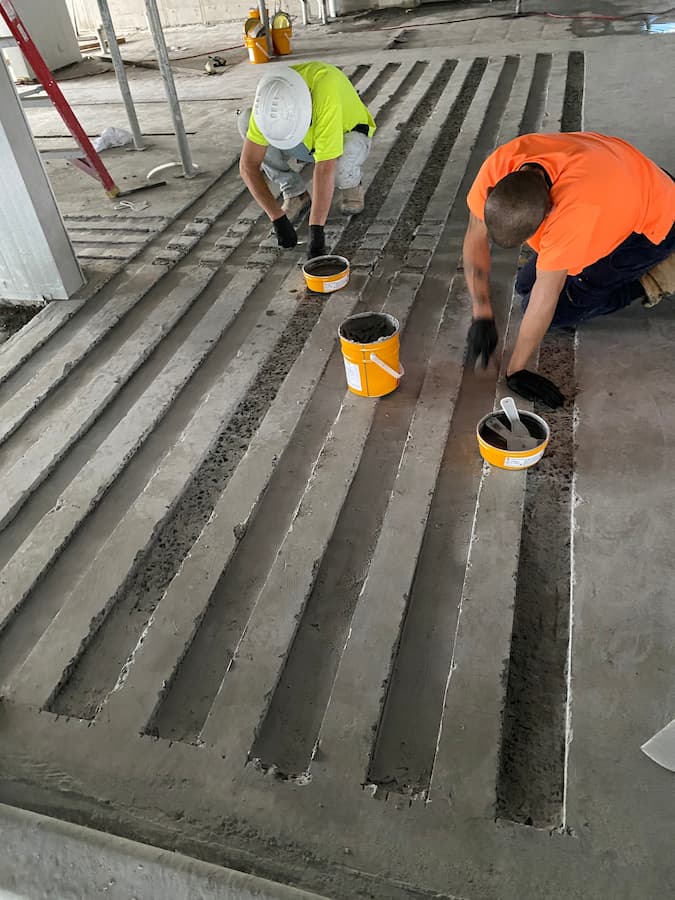
Methodology:
- All work and requirements as per Sika CarboDur® Method Statement and PDS.
- Preparation Grinding / Blasting surface.
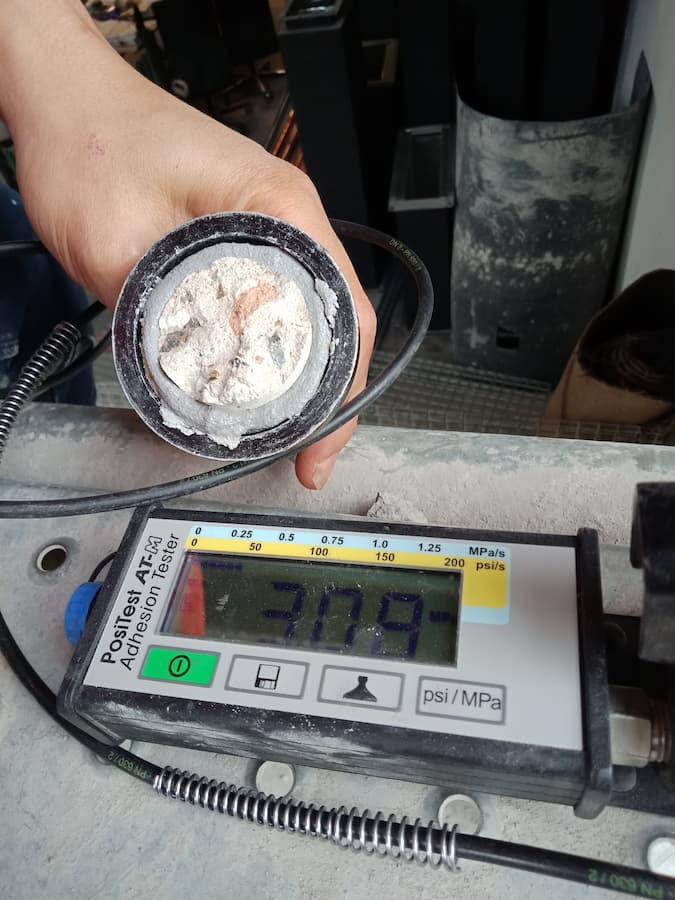
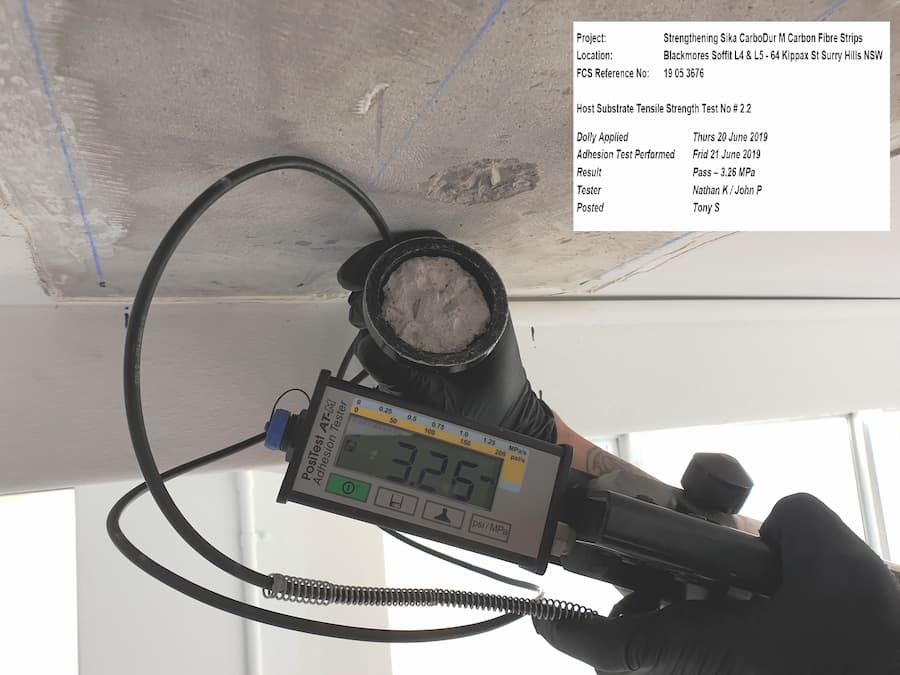
- Pull-off Tensile strength testing of the concrete substrate.
- Tolerance, surface deviation, level measurement and testing to ensure minimum tolerances required.
- The substrate moisture content must be tested and verified.
- Plate pull-off testing semi-destructive Quality Control.
- High Build epoxy to top of slab. Levelling 0 -10mm.
- Remove all Services and Ceiling Tiles and Ceiling Grids, providing unimpeded access.
- Protect Completed Product to ensure the Sika CarboDur® is not cut or drilled through or tampered with.
- Generally repair all test holes and make good.
- Clean and remove overspill, patch and make good, as required.
- Conduct Testing and Commissioning.
Product recommended by FCS Concrete Repairs for structural strengthening in this application:
Sika® CarboDur® M
Sika® CarboDur® plates are pultruded carbon fibre reinforced polymer (CFRP) laminates, designed for strengthening concrete, timber, masonry, steel and fibre reinforced polymer structures.
Sika® CarboDur® plates are bonded onto the structure as externally bonded reinforcement using Sikadur®-30 epoxy resin based adhesive for normal applications.
Sikadur 30LP is an epoxy resin based adhesive for elevated temperatures during application and / or service, however lead times do apply call your local Sika office for further information.
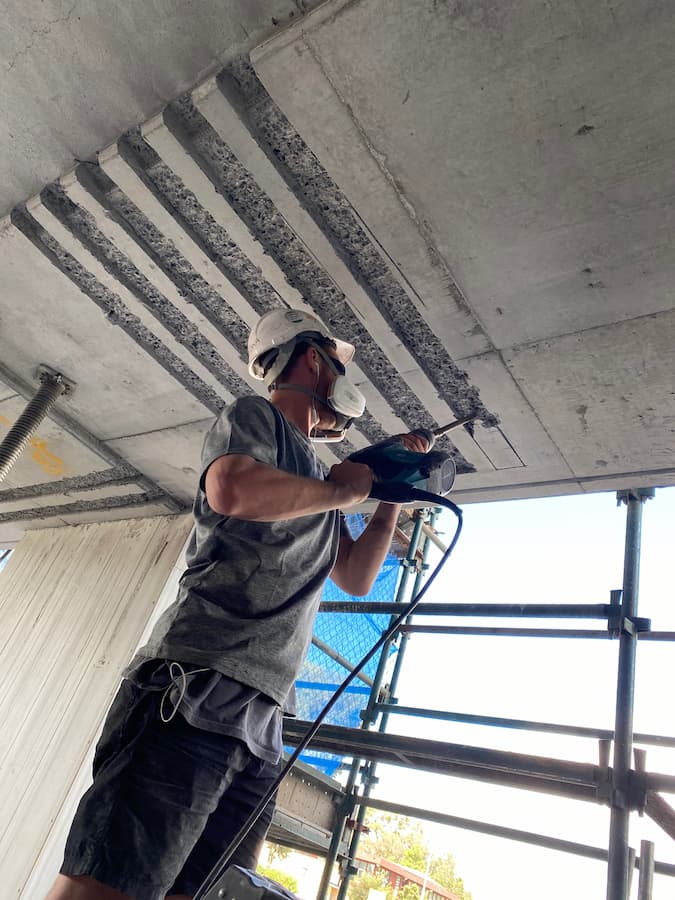
USES:
Sika® CarboDur® M suitably experienced and trained specialist contractors.
Sika® CarboDur® systems are used to improve, increase or repair the performance and resistance of structures for:
Increased Load Carrying Capacity:
- Increasing the load capacity of floor slabs, beams and bridge sections
- For the installation of heavier machinery
- To stabilise vibrating structures
- For changes in building use
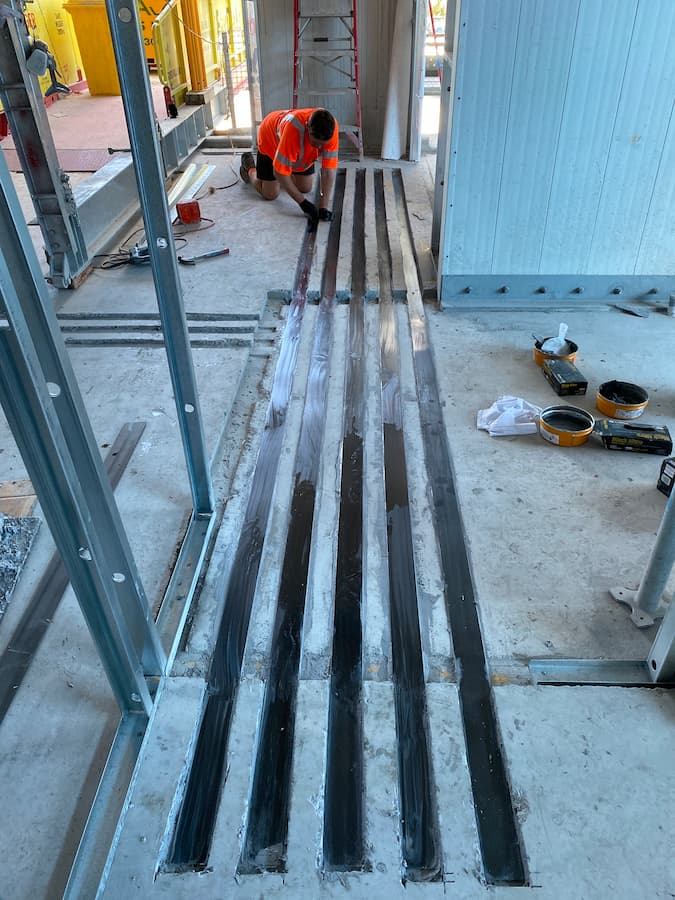
Damage to structural elements due to:
- Deterioration of the original construction materials
- Steel reinforcement corrosion
- Accidents (Vehicle impact, earthquakes, fire)
Improvement of serviceability and durability:
- Reduced deflection and crack width
- Stress reduction in the steel reinforcement
- Improved fatigue resistance
Change of the structural system:
- Removal of walls and/or columns
- Removal of floor and wall sections to create access / openings
Resistance to possible events:
- Increased resistance to earthquakes, impact or explosion etc.
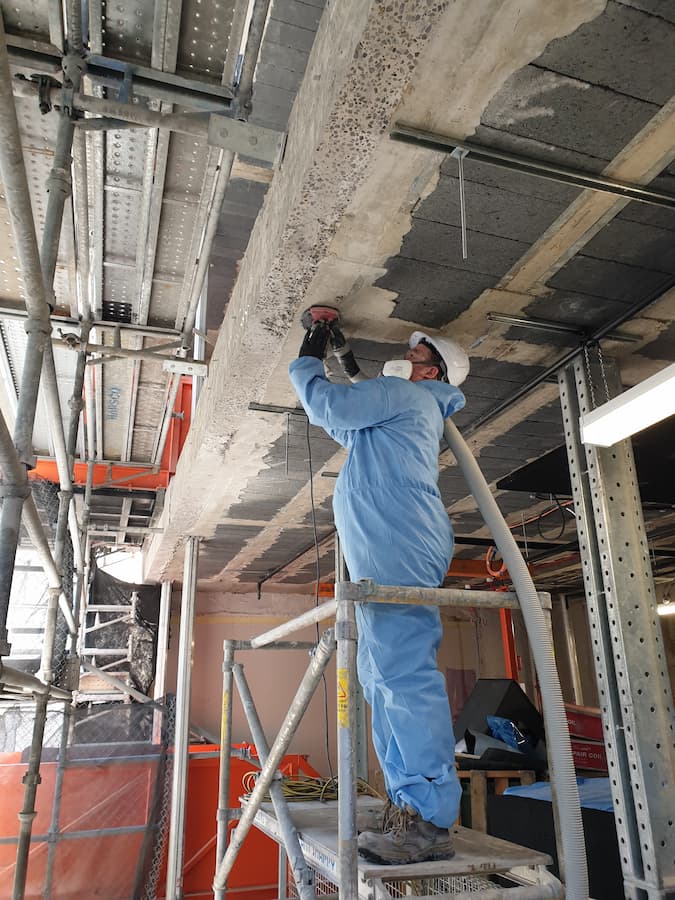
To repair design or construction defects such as:
- Insufficient / inadequate reinforcement
- Insufficient / inadequate structural depth
CHARACTERISTICS / ADVANTAGES
▪ Combination of very high strength and high stiffness
▪ Non-corroding
▪ Excellent durability and fatigue resistance
▪ Unlimited lengths, no joints required Low system thickness, simple execution of plate intersections or crossings
▪ Easy transportation (rolls) Lightweight, very easy to install, especially overhead (without temporary support)
▪ Minimum preparation of plate, applicable in several layers
▪ Smooth edges without exposed fibres as result of production by pultrusion
▪ Extensive testing and approvals available from many countries worldwide
Call FCS Concrete Repairs for all your structural strengthening requirements.
The post What is Carbon Fibre Structural Strengthening? appeared first on FCS Concrete Repairs.
]]>The post Leura Western Culvert appeared first on FCS Concrete Repairs.
]]>Client: Blue Mountains City Council
Location: Blue Mountains
Project: Leura Western Culvert
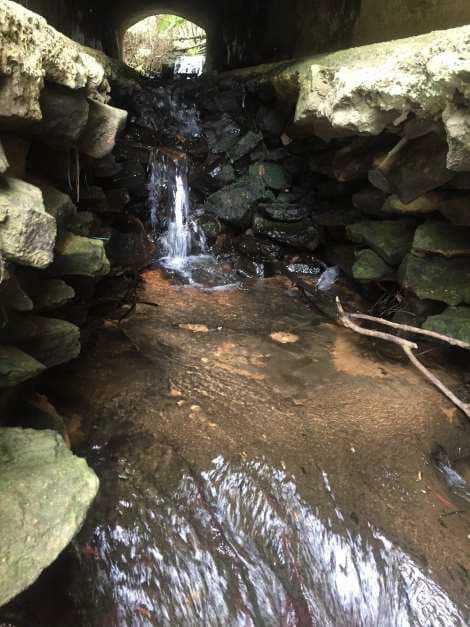
FCS Concrete Repairs has repaired this ageing culvert for our client, the Blue Mountains City Council, and helped to prolong its life.
Safety and Environmental Issues
Environmental Safety Precautions to protect this pristine environment were our first priority.
Employee Safety was also very important especially with visitors like this in the area.
Figure 1 Just Visiting: Brown Snake
Royal Flying Doctor Service – Snake Bite Safety Quiz
https://engage-nswact.flyingdoctor.org.au › content › snakebitesafetyquiz
This information could save your life.
Nature of Work:
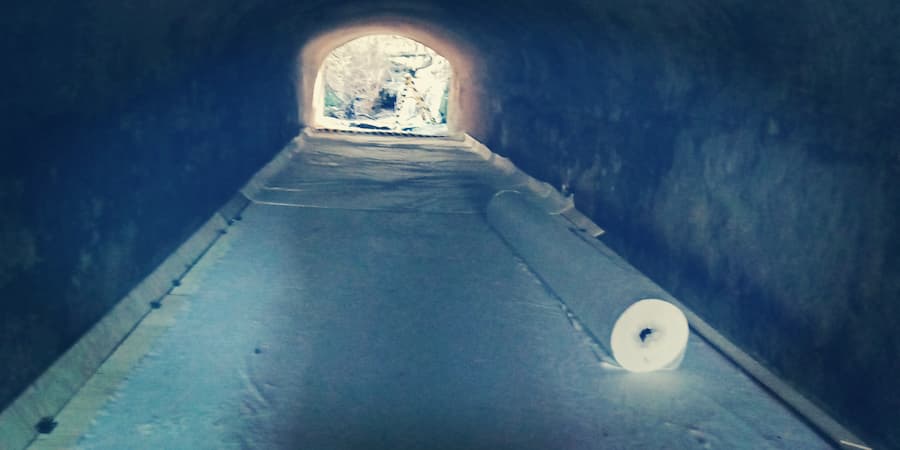
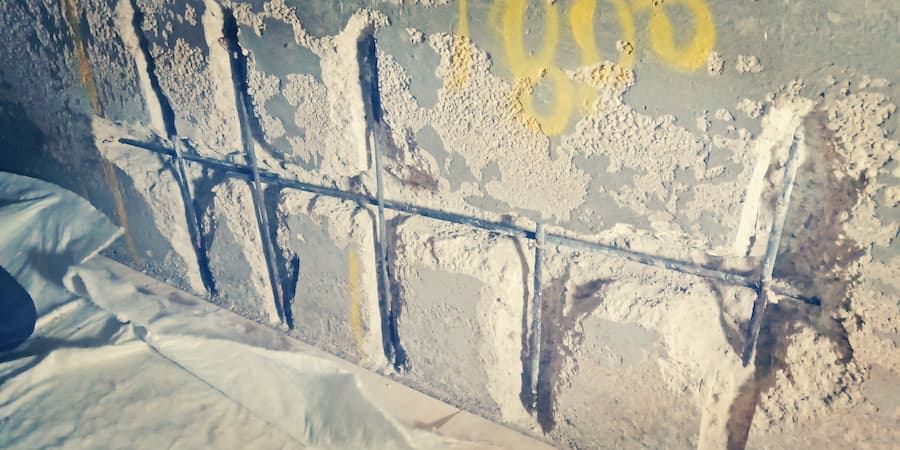
Concrete spalling repairs to internal surface of western culvert by breaking out exposed reinforcement and repair using ready to use mortars.
Repair Methodology:
- Prepare and submit an Environmental Management Plan (EMP) for the works.
- Install encapsulating bund platform.
- Breakout concrete to expose corroded reinforcement into sound concrete.
- Do not use abrasive blasting method.
- Minimum gap and cover 20-25mm.
- Breakout until non-corroded steel is reached plus 50mm.
- Clean exposed reinforcement to remove all corroded steel and foreign matter.
- Wash with low pressure water jet.
- Coat exposed steel with Sika® EpoCem®.
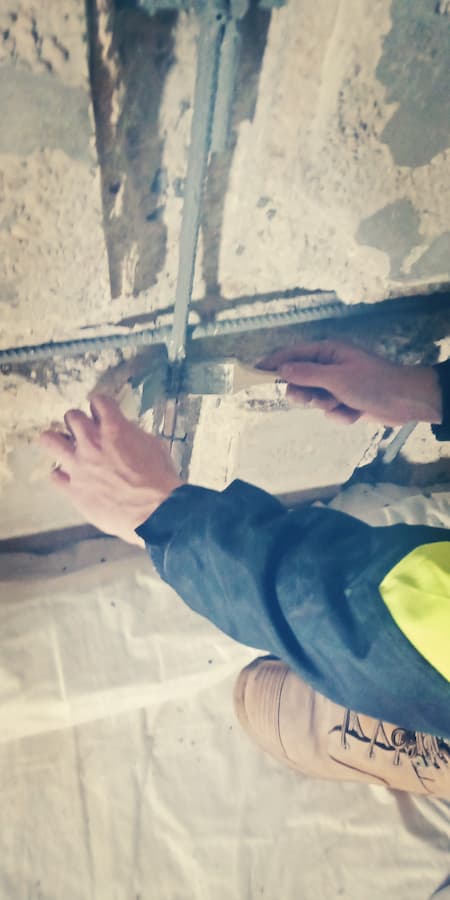
- Apply bond coat, Sika MonoTop 910 emulsion.
- Use Sika MonoTop repair mortar.
- Seal the entire internal surface of the culvert with corrosion inhibitor, plus hydrophobic impregnating coats:
- Apply Migrating Corrosion Inhibitor Application Sika® FerroGard®-903 Plus.
- Apply Sikagard®-706 Thixo is a Silane based water repellent impregnation cream.
- Wet Vac
- Pressure Clean on completion.
Products Recommended for this Project by FCS Concrete Repairs:
Sika® SikaTop 110 EpoCem®.
SikaTop® Armatec®-110 EpoCem® is a cementitious epoxy resin compensated 3-component coating material with corrosion inhibitor, used as bonding primer and reinforcement corrosion protection.
USE
- Suitable for control of anodic areas (Principle 11, method 11.1 EN 1504-9)
- Suitable in concrete repair as corrosion protection for reinforcement.
- Suitable as a bonding primer on concrete and mortar
- Suitable for Increasing cover in Low Cover Concrete rectification.
CHARACTERISTICS AND ADVANTAGES
- Contains EpoCem® technology – improved bonding agent
- Extended open times for repair mortars
- Compatible with most Sika MonoTop® repair mortars
- Excellent adhesion to concrete and steel
- Contains corrosion inhibitor
- Certified for application under dynamic load conditions
- Good resistance to water and chloride penetration
- High shear strength
- Long pot life
- Easy to mix
- Can be brushed on or applied using spray gun
- 2mm cured material equivalent to approx. 50mm of Concrete
Sika MonoTop 910 N
Sika® MonoTop®-910 N is a cementitious, polymer modified one-component coating material containing silica fume. (Replaces Monotop 610)
USE
Sika® MonoTop®-910 N is used as bonding primer and reinforcement corrosion protection for reinforcement and is suitable:
– For the control of anodic areas (Principle 11, method 11.1 of EN 1504-9)
– As a bonding primer on concrete and mortar
– In concrete repair as reinforcement corrosion protection
CHARACTERISTICS AND ADVANTAGES
– Easy to mix, just add water
– User-friendly application
– Excellent adhesion to concrete and steel
– Good resistance to water and chloride penetration
– Good mechanical strengths
– Can be brushed on or applied using spray gun
Sika MonoTop 352 NFG Repair Mortar
R3 light-weight, structural repair mortar. High build repair mortar, 4 – 75mm in one application. Excellent workability and finish and suitable for overhead and vertical applications. Low shrinkage
USE
- Suitable for restoration work (Principle 3, method 3.1 & 3.3 of EN 1504-9). Repair of spalling and damaged concrete in buildings, bridges, infrastructure and superstructure works.
- Suitable for repair works to concrete with a compressive strength of 25-45 MPa.
- Suitable for structural strengthening (principle 4, method 4.4 of EN 1504-9). Increasing the bearing capacity of the concrete structure by adding mortar.
- Suitable for preserving or restoring passivity (principle 7, method 7.1 and 7.2 of EN 1504-9). Increasing cover with additional mortar and replacing contaminated or carbonated concrete.
CHARACTERISTICS AND ADVANTAGES
- Polymer modified for increased durability
- Superior workability and finishing
- Suitable for hand and machine application
- Can be applied up to 75 mm thick per application layer
- Portable water approved to AS/NZS 4020:2005 – Testing of products for use in contact with drinking water
- Class R3 of EN 1504-3
- Low density but still suitable for structural repair
- Very low shrinkage behaviour
- Does not require a bonding primer even when manually applied
- Contains corrosion inhibitor Low chloride permeability
Sika® FerroGard®-903 Plus
Sika® FerroGard®-903+ is a unique blend of non-toxic, organic corrosion inhibitor based on amino alcohol and salts of amino alcohol technology, designed for use as an impregnation on hardened reinforced concrete.
Sika® FerroGard®-903+ penetrates the concrete and forms an adsorbed protective film on the surface of the steel reinforcement. The protective adsorbed film of Sika® FerroGard®-903+ reduces the rate of corrosion in carbonated and chloride contaminated concrete.
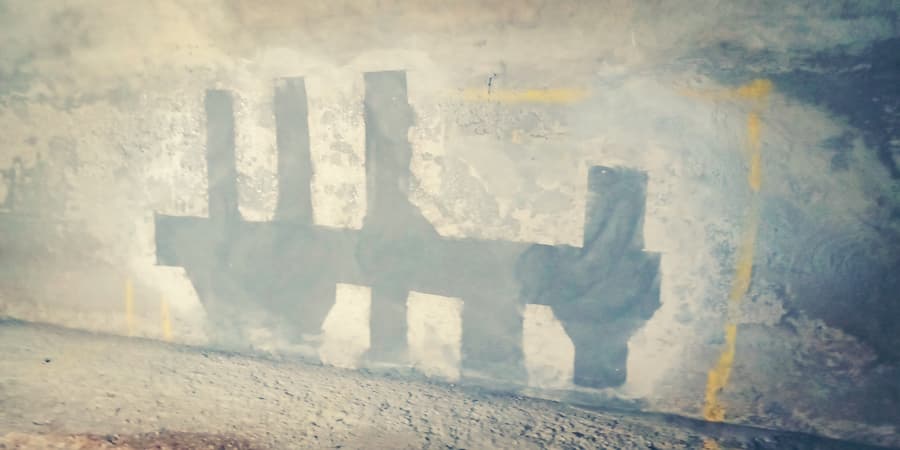
Reinforced Corrosion Controls of Culverts
Structure/Condition:
Reinforced concrete structure.
Chloride induced corrosion to internal and external deck surfaces.
Localised concrete damage.
Low concrete cover to reinforcement.
Requirements:
Reduce active corrosion rates and maintain passive corrosion levels.
Control corrosion by anodic and cathodic principles.
Provide up to 10 years additional protection before next maintenance.
Sika Solution:
Testing to prove penetration of Sika® FerroGard®-903 Plus to depth of reinforcement.
Clean concrete surfaces.
Concrete repairs using Sika® MonoTop® – 352 NFG
Application of Sika® FerroGard®- 903 Plus
Application of e.g. Sikagard® 706 Hydrophobic Impregnation.
Sikagard®-706 Thixo
Silane based water repellent impregnation cream. Ready for use
Long term efficiency, deep penetration. Low VOC content
USE
Sikagard®-706 Thixo is used as water-repellent impregnation (hydrophobic treatment) for absorbent substrates such as concrete in civil engineering or building concrete structures subjected to heavy stress due to freeze and thaw cycles and de-icing salts, chloride attack in marine environment, etc…
- Suitable for protection against ingress (Principle 1, method 1.1 of EN 1504-9)
- Suitable for moisture control (Principle 2, method 2.1 of EN 1504-9)
- Suitable for increasing the resistivity (Principle 8, method 8.1 of EN 1504-9)
CHARACTERISTICS AND ADVANTAGES
- Non-sag (thixotropic) consistency, allowing wastage-free application of sufficient quantities and assuring deep penetration
- Reduction of water absorption
- Reduction of absorption of aggressive or deleterious agents dissolved in water (i.e. de-icing salts or chloride from marine environment)
- No noticeable change of water vapour permeability
- Not film forming
- Ready for use
- Long term efficiency, deep penetration
- Increases the resistance of concrete to freeze and thaw cycles and de-icing salts
- Resistant to sea water
- Low VOC content
The post Leura Western Culvert appeared first on FCS Concrete Repairs.
]]>The post Peach Tree Road Bridge, Megalong Valley NSW appeared first on FCS Concrete Repairs.
]]>Client: Blue Mountains City Council
Location: Blue Mountains
Project: Peach Tree Road Bridge, Megalong Valley NSW
FCS Concrete Repairs has taken the bump and the thump out of the Peach Tree Road Bridge road surface for our client, the Blue Mountains City Council, and helped to prolong the life and amenity of the bridge.
Safety Precautions were our first priority.
Nature of Work:
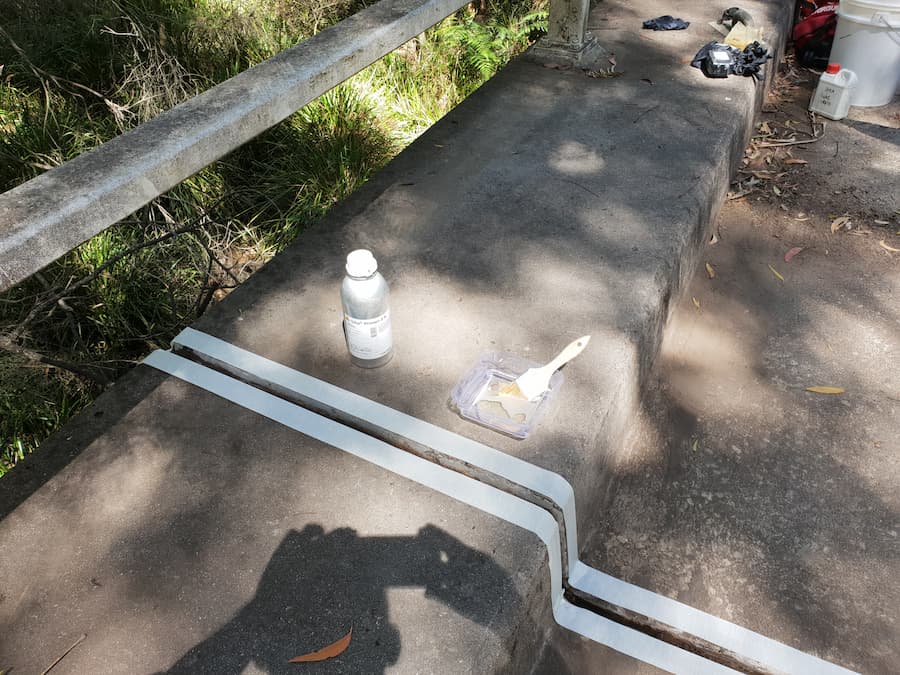
Open Construction Joints were repaired and filled with a flexible filler.
Failing Concrete patches were also repaired and filled.
An important aspect of this relatively small but important job was to provide a smooth transition across the repairs.
Repair Methodology:
Establish a work safe zone using a FCS procedures.
A Safe Work Method Statement and / or Task Risk Assessment, evacuation plan including the closest medical facility will be written and all personnel will be inducted into it before starting works. A toolbox talk will be held every day before starting works.
Establish the concrete elements types that require repairing and scope up an agreed repair and remediation work method, procedures and draft agreed ITP’s Inspection and Test Plans for the works.
Repair Methodology strictly as per Australasian Concrete Repair Association (ACRA) Australian Standard Concrete Repair Methodology HB 84:2018.Guide to Concrete Repair and Protection.
Products Recommended for this Project by FCS Concrete Repairs:
Sikasil 728NS
Description:
Sikasil-728 NS is a non-sag, one-component, ultra-low modulus elastomeric, neutral cure silicone sealant for sealing of joints in pavements according to ASTM D-5893.
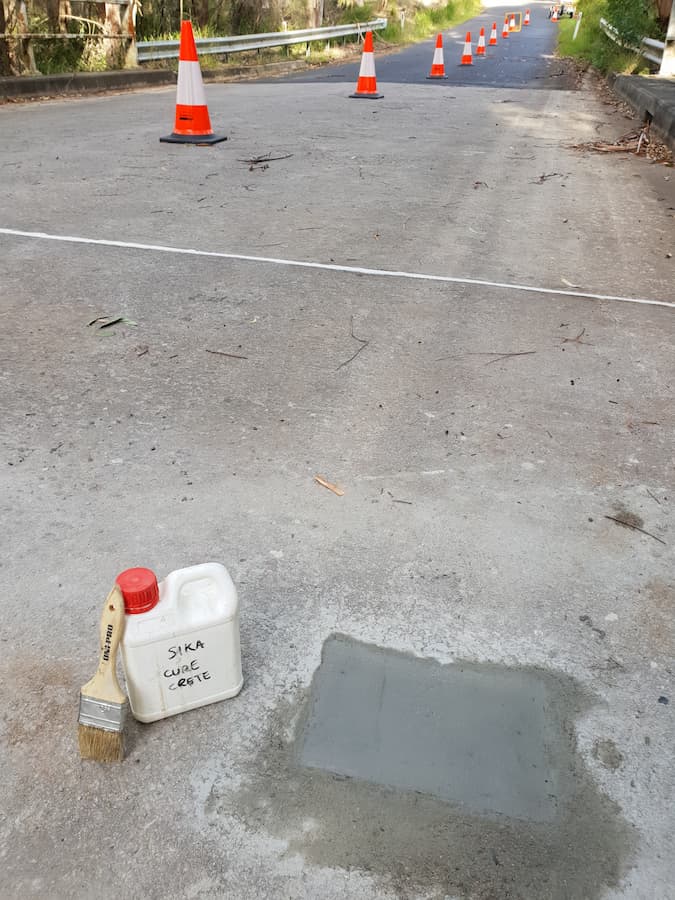
Characteristics / Advantages
- Ready to use
- Very high movement capability (ASTM C-719) +100%, -50%
- Excellent flexibility for use in extremely high and low temperature climates
- Very good adhesion, especially to concrete
- Extremely long service life due the outstanding UV resistance
Environmental Information
Specific Characteristics:
VOC Content 1,64% by wt
Specific Ratings:
LEED® EQc 4.1 – passes
SCAQMD, Rule 1168 – passes
BAAQMD, Reg. 8, Rule 51 – passes
Sika Primer 3N
Description:
Sika® Primer-3 N is a solvent-based, one-part primer for Sikasil® products used on porous substrates (e.g. concrete) and metals.
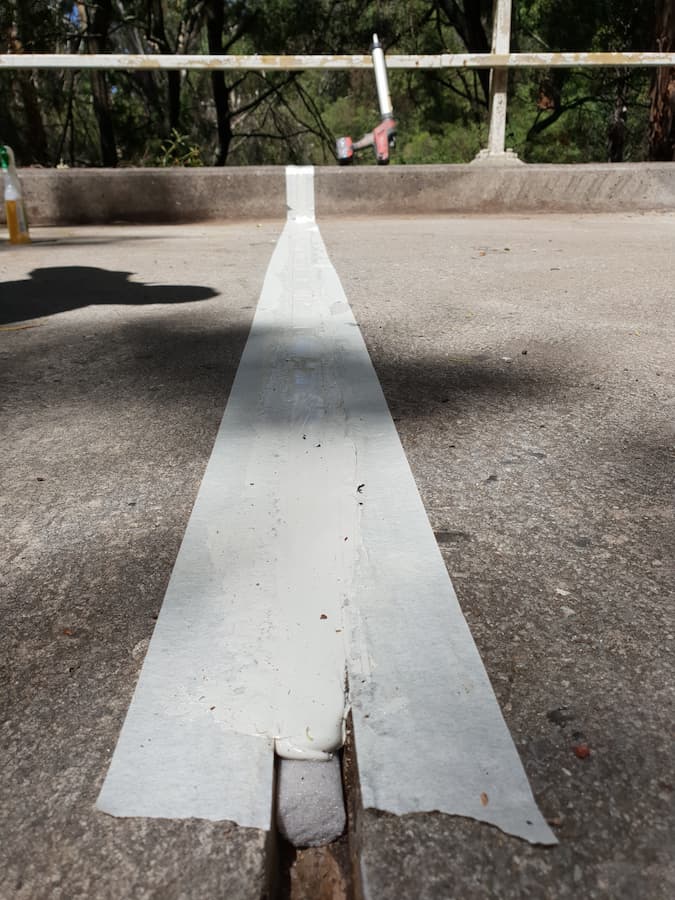
Characteristics / Advantages
■ Easy to apply ■ Water-repellent ■ Isocyanate-free ■ Short flash-off time
Sika Lightlon Rod Closed Cell Foam Backing Rod
Sika Backing Rod is manufactured from extruded, closed cell polyethylene foam, available in rods with different diameters and lengths.
Use: Sika Backing Rod is used as a back up material for cold applied Sika sealants to give the sealant the correct thickness. It also acts as a bondbreaker, permitting the most efficient joint design.
Characteristics / Advantages
- Provide firm backing for joints subject to hydrostatic pressure
- Easy to apply
- Closed cell
- No bond to most sealants
- Compatible with cold applied sealants (polyurethane, silicones)
- Different rod diameters
- Good water resistance
- Odourless
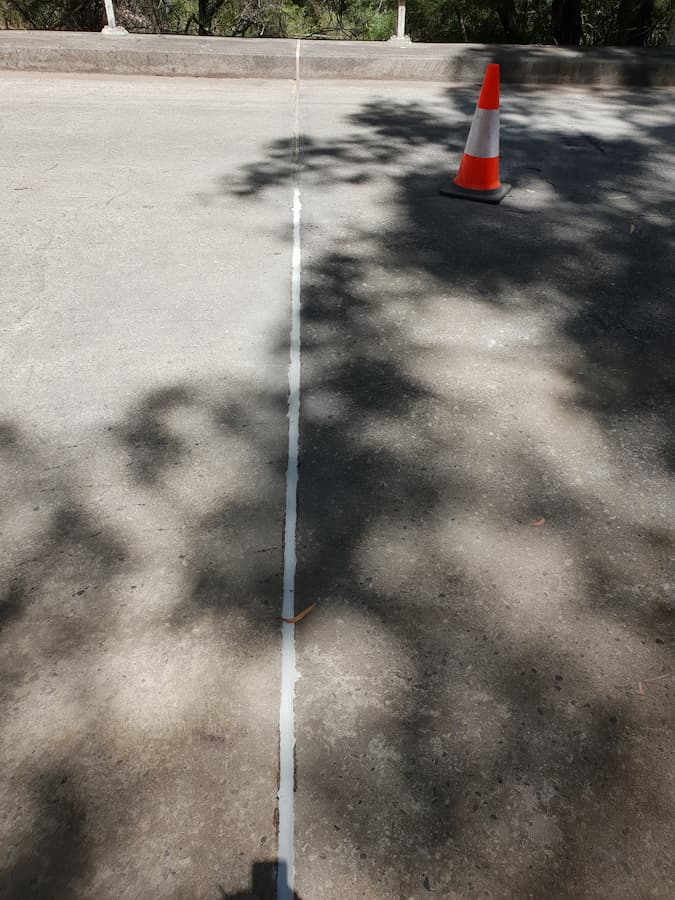
The post Peach Tree Road Bridge, Megalong Valley NSW appeared first on FCS Concrete Repairs.
]]>The post FEATURED PRODUCT: CONDUR ARP appeared first on FCS Concrete Repairs.
]]>Principle Uses: Suitable for repairs to ways, highways, bridges, expansion joints and for installation of new expansion joints.
Coverage/Yield: 1800 kg/m3
Condur ARP Advantages
- Flexible & do not need to destroy the surrounding concrete
- Epoxy & most other high early strength repair materials prematurely fail because they are rigid.
- Rigid repair materials installed in rigid pavement require that both the materials have similar coefficient of expansion. Most do not and as a result destroy the surrounding patch & concrete.
- Condur ARP provides a flexible patch that will deflect as surrounding concrete expands and contracts rather than destroy it.
- High compressive stress & elasticity unlike epoxies, Condur ARP can handle heavy pressure before deflecting and allows itself to return to its original state after deflection.
- High impact resistant – under bitterly cold conditions Condur ARP withstands heavy impact unlike epoxy and concrete-based materials that shatter.
- Resistant to chemicals & discolouration over time – excellent U.V. resistance.
- Excellent adhesion to steel and concrete.
- Greater compressive strength along with better impact resistance.
- Can be easily installed with early strength gain & flexibility.
- Can accept traffic in approx. one hour.
- Fully cured material is resistant to changes in temperature.
- Use as a pourable sealant in expansion joints.
- Withstands heavy loading.
- Resistant to chemicals & fuel oils.
PROPERTIES
Final Setting Time @25oC: Approx. 60 min.
Specific Gravity @25oC: Approx. 1.8 kg/litre
Rheological Properties
(Immediately after mixing): Self-Leveling.
Tensile Strength: > 5 MPa. ASTM D638
Elongation at Break: > 50 % ASTM D638
Shore D Hardness: Approx.55-60 (Full Cure) ASTM D2240
Impact Resistance: No crack or breaks observed. ASTM D3029
Abrasion Test: 139 Mg/1000 cycles
Compressive Strength: 7 Days @25oC 7.5 – 12 N/mm2 ASTM C579
Trafficable at 25oC: Approx. 1 hour.
Full Cure Time at 25oC: 7 Days
Adhesion Bond Strength: 3.2 N/mm2 to Concrete @ 7 Days ASTM D4541
Chemical Resistance: Dilute sulphuric acid
Dilute NaOH solution
Sea water
Chlorine water
Waste water
Glycerine
Soap solution
Fuels & oils ASTM D543
The post FEATURED PRODUCT: CONDUR ARP appeared first on FCS Concrete Repairs.
]]>The post FACTORY AND WAREHOUSE FLOOR, WALLS AND EXTERNAL PAVING REPAIRS appeared first on FCS Concrete Repairs.
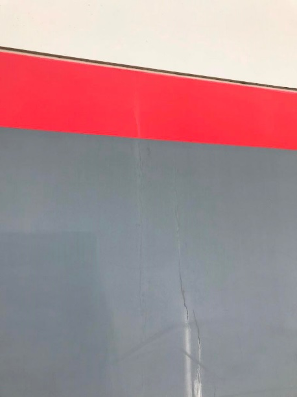
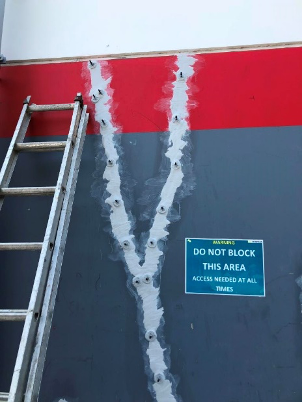
]]>FCS Concrete Repairs have the experience in all facets of concrete repair:
- Concrete Floor Repair and Crack Injection
- Concrete Wall Repair and Crack Injection
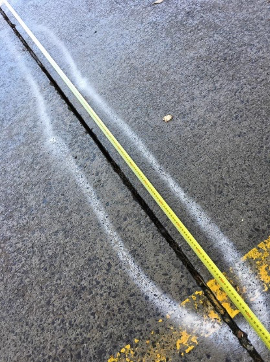
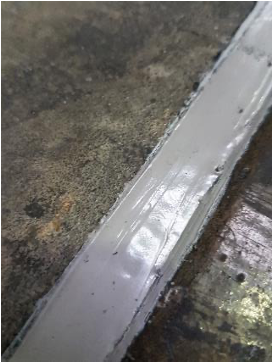
- Joint Filling
- Reinforced Concrete Replacement
- Concrete Patch Repairs
- Flexible Concrete Infills Across Joint [Latest Technology – Elastomeric Concrete]
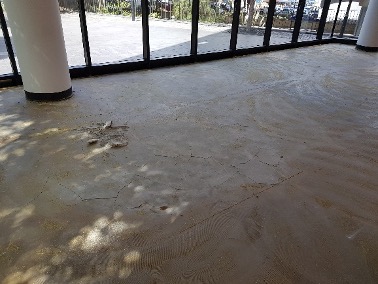
- Delaminated Concrete Topping Repair
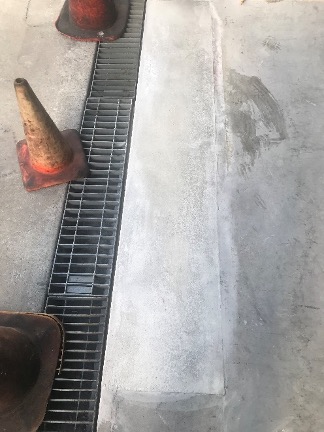
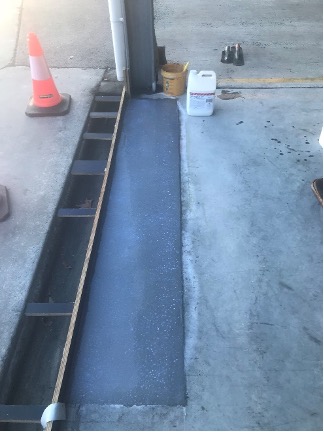
- Grated Drain Repair
Does this look like your factory or warehouse floor or your external paving?
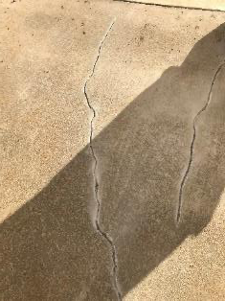
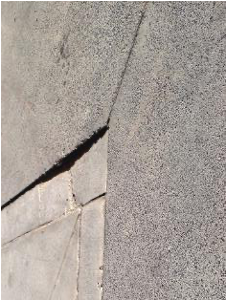
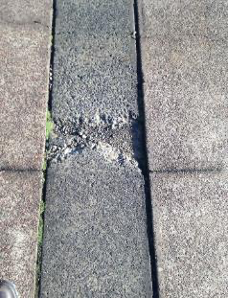
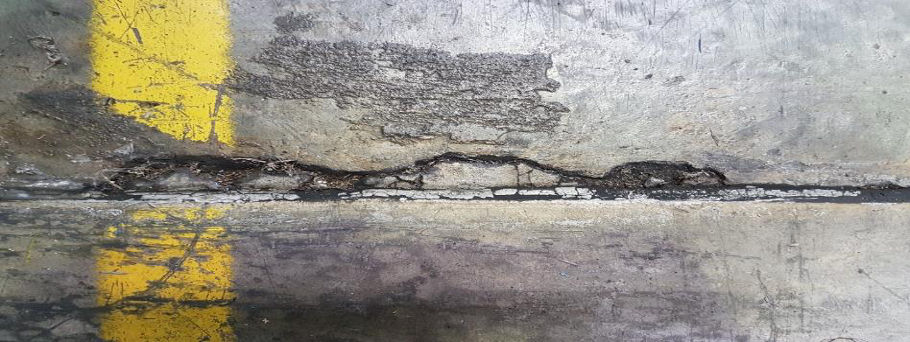
Typically, concrete floors in factories and warehouses require repair due to:
- Forklift damage
- Cracking
- Joint failure
- Surface delamination, scaling, dusting
- Sub-base subsidence, wash-outs, voids
- Chemical damage
- Design issues
- Wear and tear
If your factory or warehouse floors are affected by any of these issues then FCS Concrete Repairs have the experience and expertise to investigate, test, diagnose and recommend the most cost effective course of action to repair the floor and mitigate any further deterioration or future damage.
Concrete floors suffer this damage due to a large number of contributing causes:
- Forklift damage to floor joints and floor areas
- Heavy Loading damage to floors
- Failure when design limits are exceeded
- Subsidence of the sub-base
- Washout of the sub-base
- Poorly compacted sub-base
- Structural cracking
- Cold storage damage to floors
- Machinery loading on floors
- Machinery vibration impacts
- Concrete dusting
- Concrete wear and tear
- Rusting of internal reinforcement steel
- Potholes
- Floor demarcation line and safety marking wear
- Ingress of water
- Chemical damage
- Ground movement
- Stress loadings
- Temperature changes
- Product contamination of floor surface
- Delamination of concrete toppings
- Surface scaling
- Deterioration of applied coatings
- Plastic shrinkage cracking
- Overworking of surface during concrete placing
- Inadequate curing
- Premature surface sealing during concrete placing
- Improper concrete compaction
- Excessive moisture loss during concrete placing
- Poor structural design
It is important to determine the root cause of the concrete failure and develop a strategy to remedy the cause and complete an effective repair with a minimum of disruption to operations by delivering the best possible outcome.
FCS Concrete Repairs have a strong knowledge base to ensure that any repairs are effective. Our extensive prior experience in concrete construction, concrete repair techniques, selection of the appropriate repair methods and the right repair materials for the job will ensure a quality repair. There are a wide range of repair materials and selection of the correct material and methodology is critical to a successful outcome.
FCS Concrete Repairs repair techniques include:
Concrete Floor Repair and Crack Injection
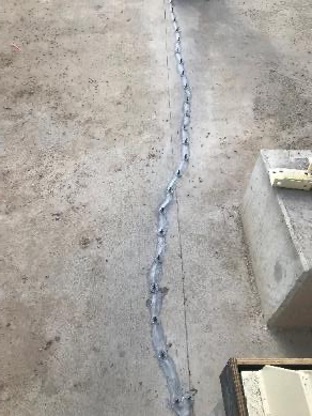
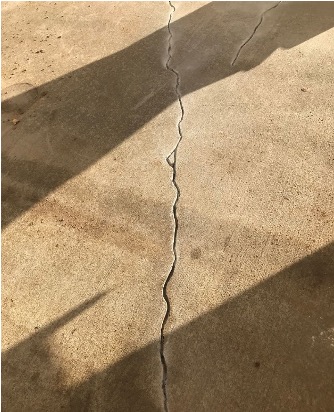
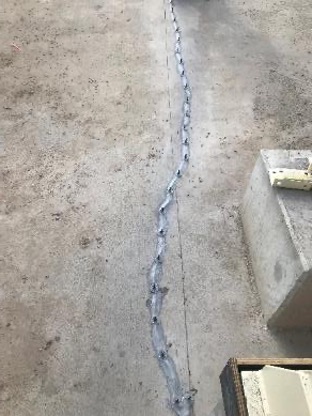
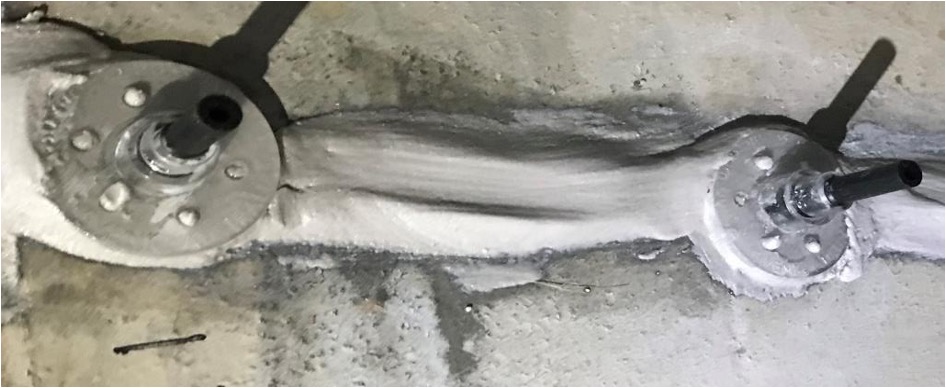
Concrete Wall Repair and Crack Injection
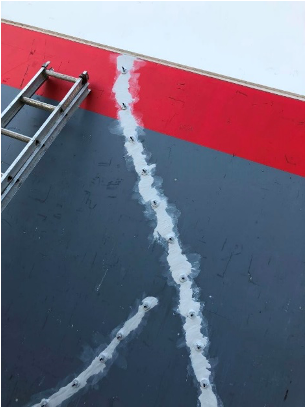
Joint Filling
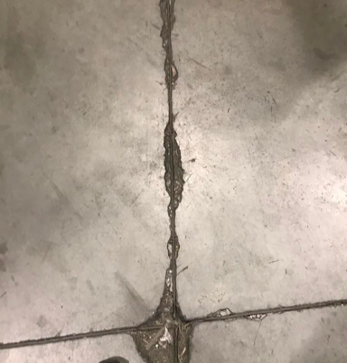
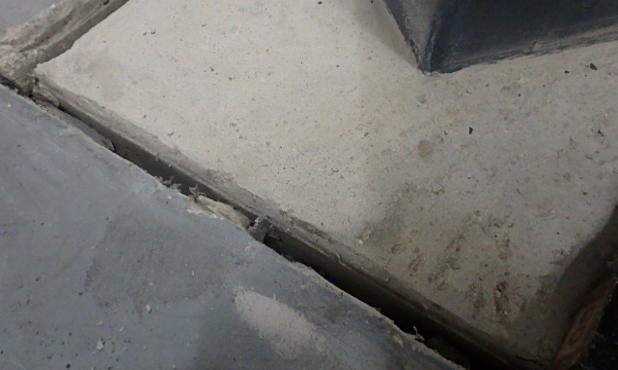
Reinforced Concrete Replacement
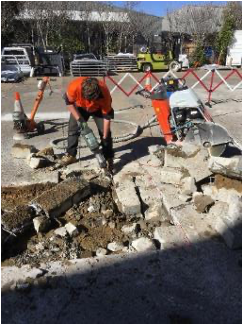
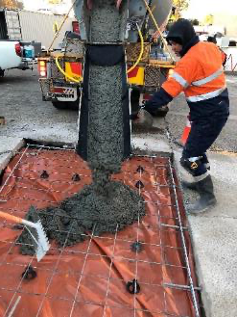
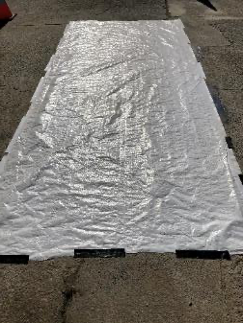
Concrete Patch Repair
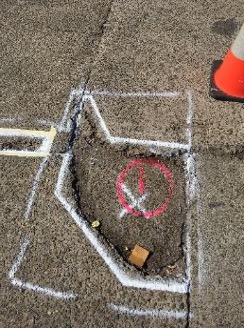
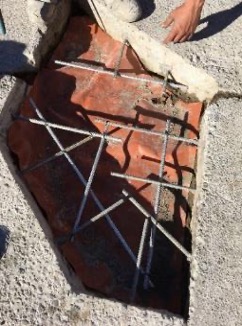
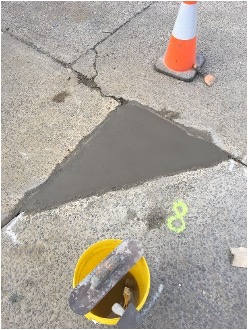
Flexible Concrete Infills Across Joint [Latest Technology – Elastomeric Concrete]
Delaminated Concrete Topping Repair
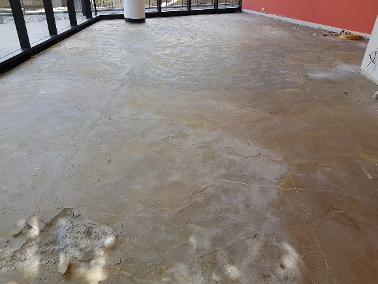
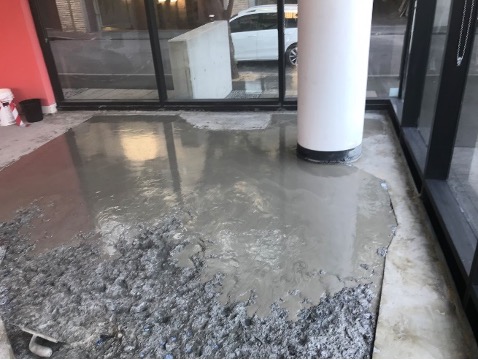
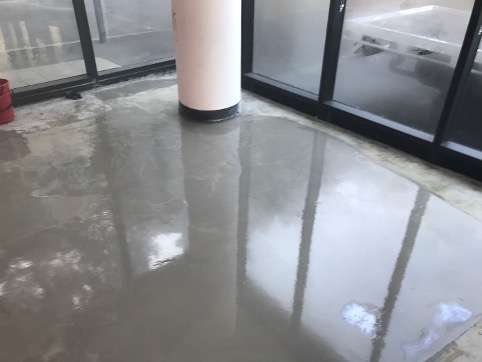
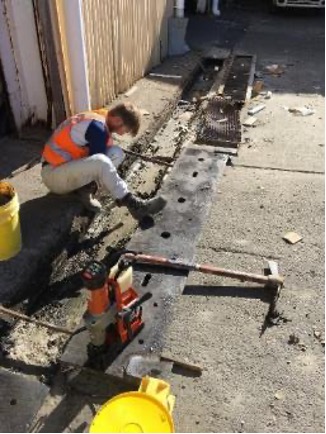
Grated Drain Repair
FCS Concrete Repairs are members of ACRA, the Australasian Concrete Repair Association.
FCS Concrete Repairs are the Preferred and Approved Contractors to the major material suppliers such as Prime Resins in the USA, Parchem, Sika, Epirez, International, Fosroc, Dulux and Thorhelical Remedial Solutions.
FCS Concrete Repairs are quality accredited:
REPUTATION FOR QUALITY
Our reputation is important to us and is built upon experience and an understanding of the importance of the full and thorough preparation of the repair area. Inadequate preparation and short cuts are not the answer to an effective repair and a sound LONG TERM solution.
THE CHEAPEST PRICE IS NOT ALWAYS THE ANSWER but FCS Concrete Repairs can offer a competitive solution without sacrificing quality.
If your property is in need of repair please contact us, firstly, for an inspection, secondly, for advice and, thirdly, for our recommended solution and competitive quotation.
The post FACTORY AND WAREHOUSE FLOOR, WALLS AND EXTERNAL PAVING REPAIRS appeared first on FCS Concrete Repairs.
]]>The post What Is Elastomeric Concrete? appeared first on FCS Concrete Repairs.
]]>The properties which are most important for these materials are flexibility, elasticity, and bond strength.
Flexibility and elasticity allow the material to absorb shock caused by traffic impacting on the extrusions.
Bond strength to the adjacent surface is critical in all conditions, both wet and dry.
Obtaining adequate flexibility and bond strength together in one material is difficult but has been achieved with this material.
The key characteristics
Elastomeric Concrete provides a flexible patch with excellent adhesion that will deflect as surrounding concrete expands and contracts and can resist heavy pressure before deflecting. The critical point is that Elastomeric Concrete allows itself to return to its original state after deflection.
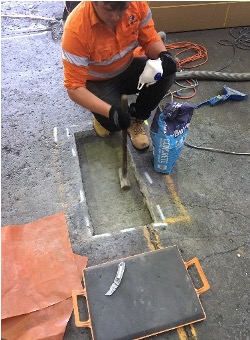
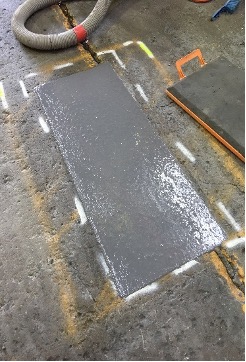
FCS Concrete Repairs has successfully used Elastomeric Concrete for repairing and patching concrete floors. This includes patching across expansion joints without the need for expensive joint reconstruction or major concrete removal.
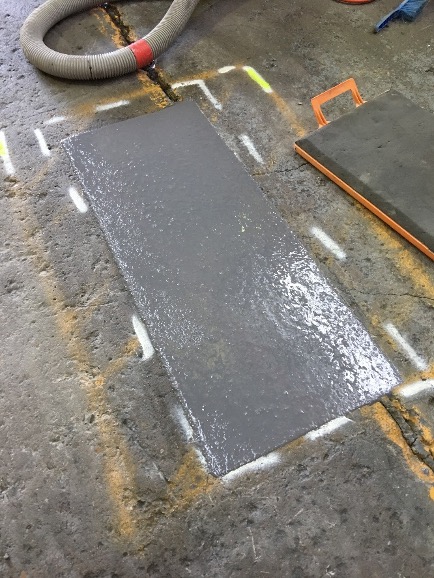
The following project photos illustrate the advantages of Elastomeric Concrete patching material:
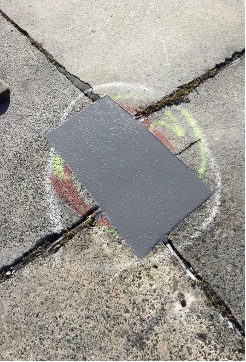
A Patch Across an expansion joint
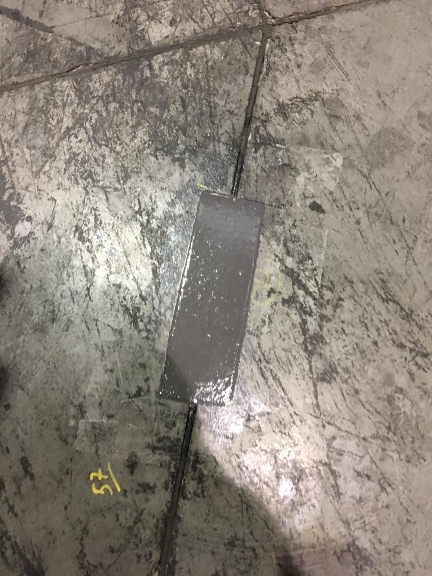
A Patch at the intersection of several expansion joints
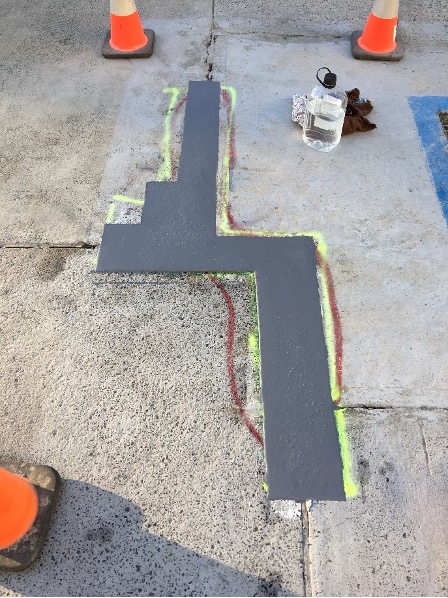
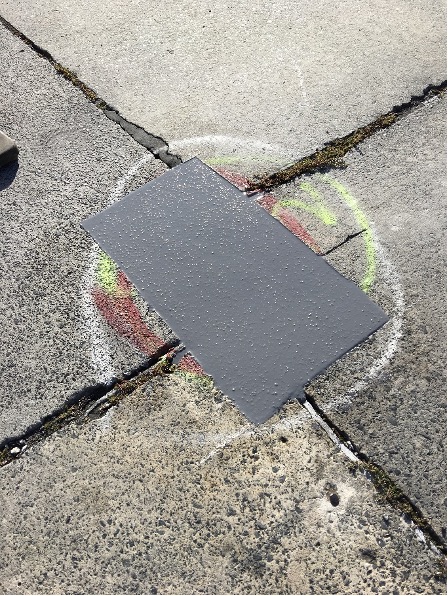
A Patch along an expansion joint
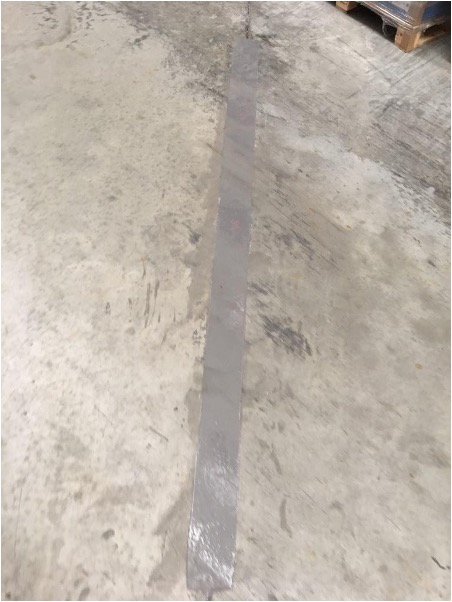
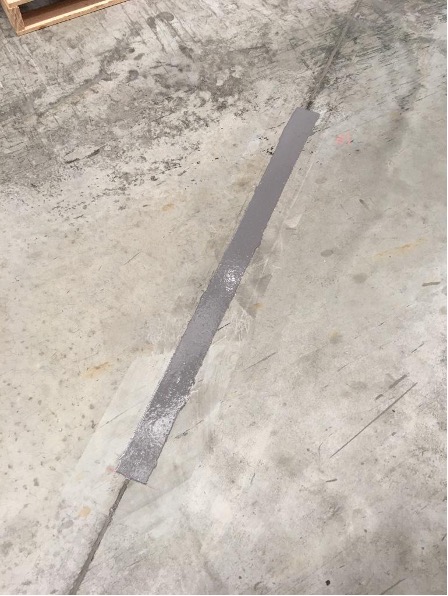
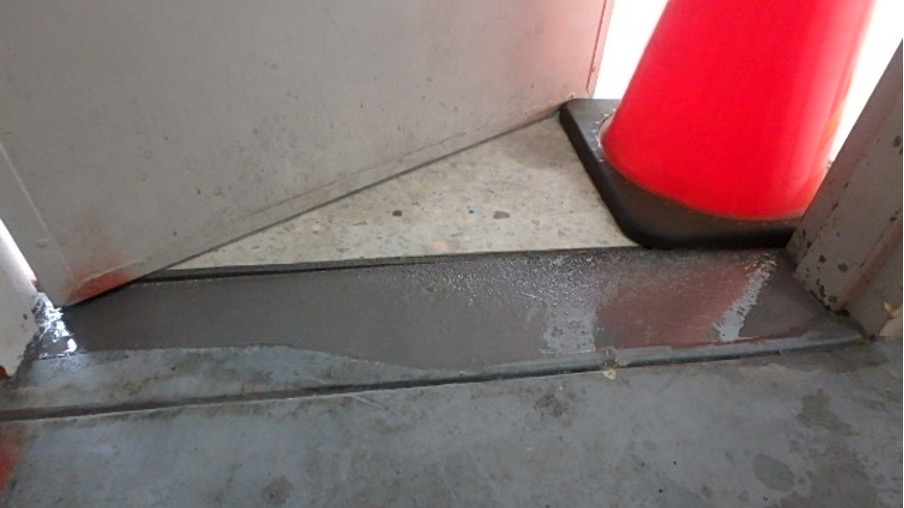
A Patch at an entry threshold
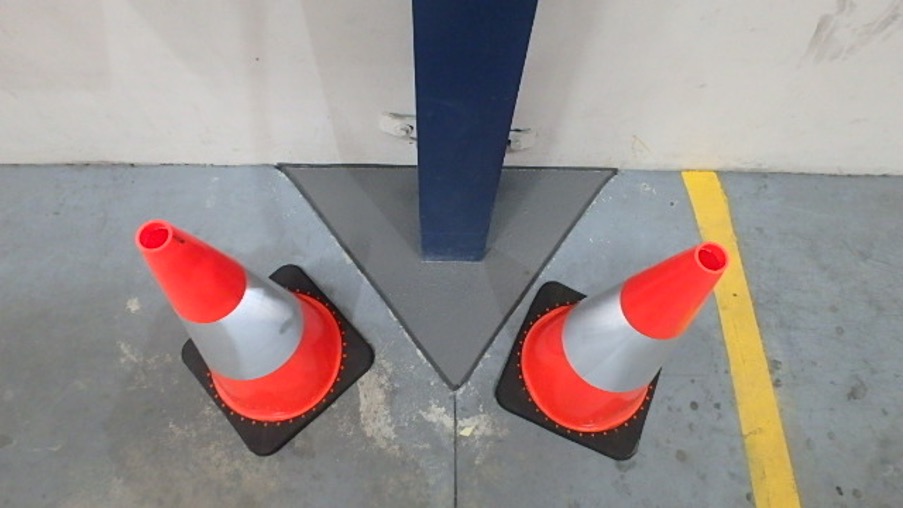
A Patch at a column base
A Patch along an irregular crack
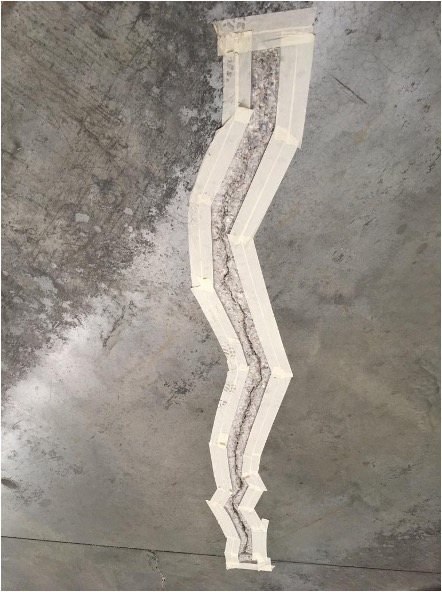
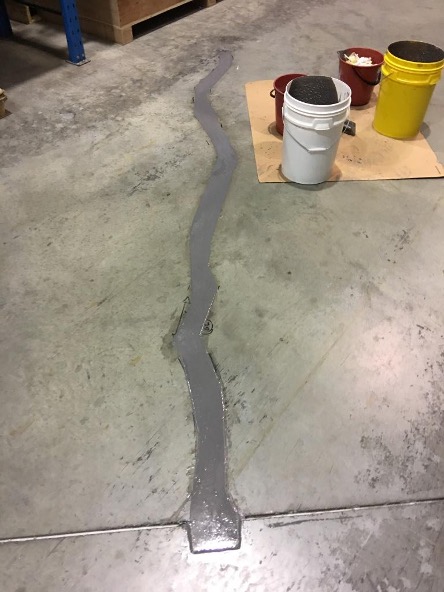
The post What Is Elastomeric Concrete? appeared first on FCS Concrete Repairs.
]]>The post RECENT PROJECT INVOLVING CRACK INJECTION appeared first on FCS Concrete Repairs.
]]>Elements: Crack Injection, Cathodic Protection and Waterproof Membrane

Scope of Works
External crack repair methodology:

- Mark out repair areas.
- Square cut to a minimum of 10mm
- Scabble back to sound concrete
- Expose corroding reinforcement
- Break out concrete to a minimum of 25mm behind bar.
- Grit blast reinforcing
- Replace corroded reinforcement if necessary
- Rout non-moving cracks to minimum of 10mm
- Install anodes to steel reinforcement at 300mm centres
- Check continuity of anodes to steel
- Coat steel with primer
- Pre-soak concrete substrate
- Apply specified bonding agent to concrete only
- Apply specified render material to prepared cracks
- Re-apply any dried bonding agent
- Cure render material immediately after finishing each repair.
Internal crack repair methodology
- V-grind out cracks to 25mm
- Brush specified waterproofing system into base of prepared crack
- Trowel apply specified mortar to re-profile crack
- Damp cure repair material with wet hessian for five (5) days
Rehabilitation of Internal Floor and Wall
- Polymer Modified Membrane to be coated onto internal wall and floor of the Water Tank.
- The VersEseal range seals invisible and hard to find leaks in water storage systems with a non-toxic chemical-resistant coating.
- VersEseal may be used on already damaged water tanks or can seal new structures to extend the life of the tank or liquid storage structure, protecting metal from corrosion.
- Application of VersEseal’s Waterproof Membrane System is straightforward, environmentally safe and free from hazardous fumes.
- It can be applied in confined spaces without the heavy duty personal protective equipment that some products require.

LRM Products VersEseal – Rapid Build
Heavy-duty textured waterproof sprayable & brushable coating for surface protection
VersEseal Rapid Build is a single component product that may be applied using a roller, squeegee or aggregate spray equipment. VersEseal Rapid Build is applied in thickness from 1.0 – 2.0mm.
LRM Products VersEseal – Rapid Build is a fluid applied polymer modified emulsion and is recommended for use in a variety of harsh environments, chemically exposed areas, temperature variations and high traffic areas.
VersEseal Rapid Build when cured fully adheres to the substrate to which it is applied, providing a flexible long wearing surface and is formulated for application by brush, roller, trowel or squeege.
Applications include concrete repair, expansion joints, foundation sealing, plumbing applications, retaining walls, roof repair, sewage pump stations, water tank membranes, reservoirs, waste water storage, civil pipe joints, UV protection.

Galvashield XPT
Embedded galvanic anodes are designed to provide localized corrosion protection. When placed at the appropriate spacing along the perimeter of concrete patches or along the interface between new/existing concrete, the anodes mitigate the formation of new corrosion sites in the existing concrete in adjacent areas.

Description
The Galvashield XP range of embedded galvanic anode units utilise an innovative zinc anode core design surrounded by an enhanced formulated cement-based mortar to provide corrosion mitigation to reinforced concrete structures. The anode units are alkali-activated (Type A) with an internal pH of 14 or greater to keep the zinc active over the life of the anode while being non-corrosive to reinforcing steel. The anode units utilise 2G Technology™ to provide higher current output. Once installed, the zinc anode corrodes preferentially to the adjacent reinforcing steel, thereby providing galvanic corrosion prevention or corrosion control.

Applications
Mitigates incipient anode formation (halo effect) in patch repair applications
Bridge widening and other structure modifications
Slab replacements, expansion joint repairs and other interfaces between new and existing concrete
Repair of prestressed and post-tensioned concrete
Chloride contaminated or carbonated concrete
Advantages
Proven technology – Galvashield has an extensive 10 year track record in the field
Type A anode – alkali-activated to maintain activity of zinc while being non-corrosive to reinforcing steel
Cast zinc core – provides high anode utilisation in addition to a secure long-term connection between the zinc and the lead wires
Integral steel lead wires – allows for quick and convenient anode installation. Provides dependable steel-to-steel contact with no intermediate materials such as galvanising (which can corrode over time) that may compromise the long-term electrical connection
BarFit™ design – grooved edges on Galvashield XP2 and XP4 anode units assist with secure anode placement
Economical – provides localised protection where it is needed the most, at the interface of the repair and the remaining contaminated concrete
Versatile – can be used for both conventionally reinforced and prestressed or post-tensioned concrete
Low maintenance – requires no external power source or system monitoring
Long lasting – 10 to 20 year service life* reduces the need for future repairs. *As with all galvanic protection systems, service life and performance is dependent upon a number of
factors including reinforcing steel density, concrete conductivity, chloride concentration, humidity and anode spacing.
Galvanic Anode Installation
- Install anode units and repair material immediately following preparation and cleaning of the steel reinforcement.
- Galvanic anodes shall be installed along the perimeter of the repair or interface at a spacing of (x mm) as specified on the drawings. Anode spacing will vary with changes in the reinforcing steel density, the level of chloride in the structure and the corrosivity of the local environment, etc.
| Note to Specifier: Typical spacing for Galvashield XPT ranges from 430-610 mm. The maximum anode spacing guidelines can be found on the Galvashield XP data sheet. Anode spacing should be adjusted for aggressive service conditions or for an extended anode service life. |
- Provide sufficient clearance between anodes and substrate to allow repair material to encase anode.
- Secure the galvanic anodes as close as possible to the patch edge using the anode tie wires. The tie wires shall be wrapped around the cleaned reinforcing steel and twisted tight to allow little or no free movement.
- If less than 25 mm of concrete cover is expected, place anode beside or beneath the bar and secure to clean reinforcing steel.
- If sufficient concrete cover exists, the anode may be placed along a single bar or at the intersection between two bars and secured to each clean bar.
- If repair materials with resistivity greater than 15,000 ohm-cm are to be used or the resistivity is unknown, create a conductive grout bridge between the anode and the substrate. Pack Galvashield Embedding Mortar to cover minimum area of 100mm in diameter between the anode and the substrate concrete ensuring no voids exist.
- Electrical Continuity
- Confirm electrical connection between anode tie wire and reinforcing steel by measuring DC resistance (ohm,W) or potential (mV) with a multi-meter.
- Electrical connection is acceptable if the DC resistance measured with multi-meter is less than 1 W or the DC potential is less than 1 mV.
- Confirm electrical continuity of the exposed reinforcing steel within the repair area. If necessary, electrical continuity shall be established with steel tie wire.
- Electrical continuity between test areas is acceptable if the DC resistance measured with multi-meter is less than 1 W or the potential is less than 1 mV.
The post RECENT PROJECT INVOLVING CRACK INJECTION appeared first on FCS Concrete Repairs.
]]>